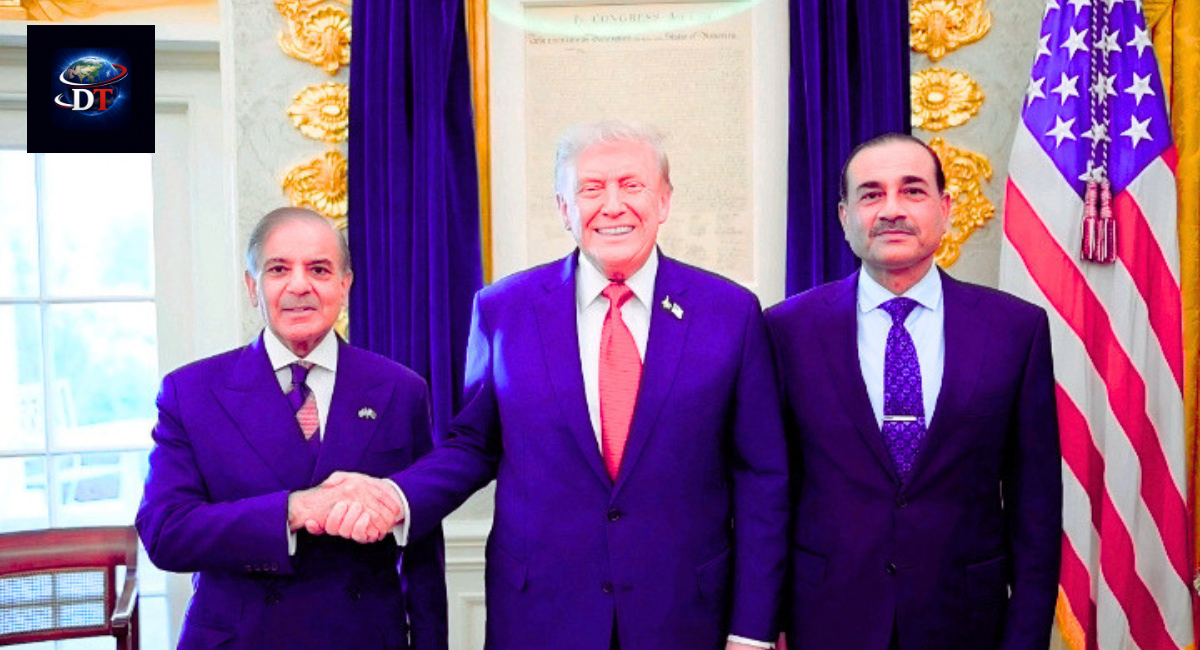
The US-Iran talks in Pakistan mark a critical moment as Islamabad hosts high-stakes diplomacy. With tensions still high, these negotiations could shape the future of regional stability.
Table of Contents
US Iran Talks in Pakistan Begin in Islamabad
The US-Iran talks in Pakistan are drawing global attention as leaders gather in Islamabad to prevent further escalation. The meetings come after weeks of conflict, making this dialogue both urgent and fragile.
Background of the Conflict and Ceasefire
The crisis began after coordinated strikes involving the United States and Israel triggered a broader war with Iran. Thousands of lives were lost, and global energy markets were shaken. A temporary ceasefire, brokered by Pakistan, created a narrow window for diplomacy.
Despite this pause, mistrust remains strong. Violations and conflicting interpretations of the ceasefire terms have already raised doubts about long-term peace.
Why Pakistan Is Hosting These Talks
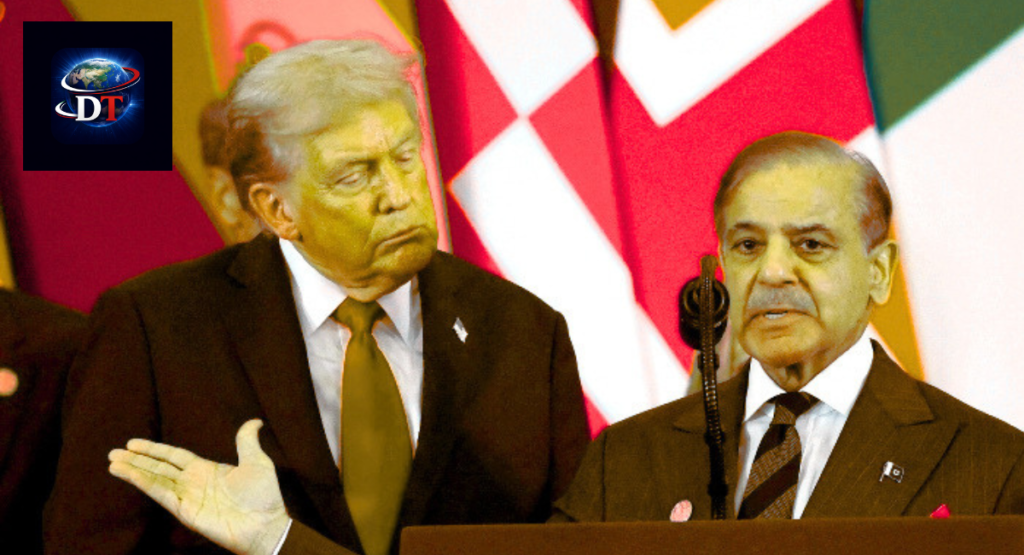
Pakistan has positioned itself as a neutral mediator with working relations on both sides. Its geographic proximity to Iran and diplomatic ties with Washington make it a practical choice.
Islamabad’s role reflects its growing importance in global diplomacy. Hosting such talks also boosts Pakistan’s international image as a peacemaker in a highly polarized conflict.
Who Is Attending the Negotiations?
The United States delegation is expected to include senior leadership figures, while Iran is sending top political and diplomatic officials. The Pakistani leadership is actively facilitating discussions.
The presence of high-level representatives signals seriousness, but it also raises expectations. Any failure could deepen tensions further.
Key Agenda of the Peace Talks
At the core of the US Iran talks in Pakistan is a detailed negotiation framework. Iran’s proposed plan includes regional security changes and control over strategic routes, while the US focuses on nuclear restrictions.
Both sides are entering with firm demands. Finding common ground will require compromise, which remains uncertain at this stage.
Major Challenges Facing Dialogue
Trust deficit is the biggest hurdle. Previous negotiations collapsed due to sudden military actions, making both sides cautious.
Another issue is the ongoing violence in neighboring regions. Continued strikes risk undermining diplomatic efforts and could derail progress before it begins.
Role of Regional Tensions and Allies
The conflict extends beyond the US and Iran. Regional dynamics, including actions by allied groups and neighboring countries, complicate the situation.
These external pressures influence negotiation strategies. Any agreement must consider broader regional stability, not just bilateral concerns.
Economic Impact and Global Concerns
The war disrupted oil supply routes, especially through key maritime channels. This has led to rising energy prices and global economic uncertainty.
The US Iran talks in Pakistan are not just political. They also carry significant economic implications for countries worldwide.
Possible Outcomes of the Negotiations
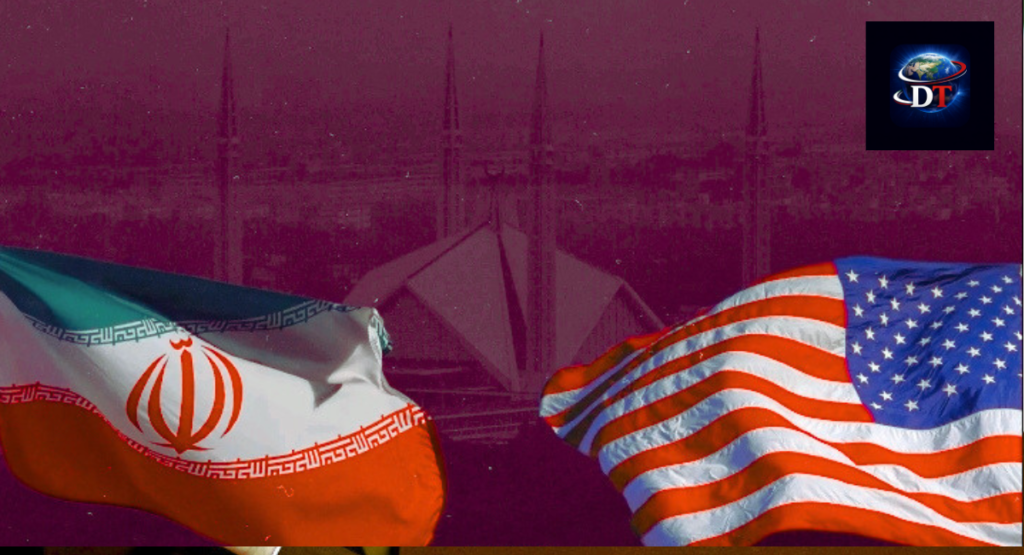
Several scenarios are possible. The talks could lead to an extended ceasefire, partial agreements, or a complete breakdown.
Experts believe a full resolution is unlikely immediately. However, even small steps toward trust-building would be considered progress.
Pakistan’s Diplomatic Strategy and Approach
Pakistan is using shuttle diplomacy, with officials communicating between both sides separately. This indirect method helps manage tensions and avoids direct confrontation.
This strategy reflects experience in handling sensitive international negotiations, increasing the chances of at least temporary success.
Future of Peace Efforts in the Region
The success of these talks could open doors for broader peace initiatives. Failure, however, may escalate conflict and deepen divisions.
The US Iran talks in Pakistan could become a turning point, either toward stability or further uncertainty.
conclusion
The US-Iran talks in Pakistan offer a rare chance for dialogue amidconflict. While challenges remain, even limited progress could ease tensions and set the stage for future peace efforts.
Frequently Asked Questions:
What are US Iran talks in Pakistan?
US Iran talks in Pakistan refer to high-level diplomatic negotiations hosted in Islamabad to reduce tensions and find a peaceful solution to ongoing conflict.
What is the full form of US?
US stands for United States, a major global power involved in international diplomacy and conflict resolution.
What is the full form of Iran?
Iran is officially called the Islamic Republic of Iran, a key country in Middle Eastern geopolitics.
What is the full form of NATO?
NATO stands for North Atlantic Treaty Organization, a military alliance influencing global security decisions.
What is the full form of UN?
UN stands for United Nations, an international organization working for peace, security, and cooperation among countries.
Why are US Iran talks in Pakistan important?
US Iran talks in Pakistan are important because they could reduce conflict, stabilize oil markets, and prevent further regional escalation.
What is the full form of IRGC?
IRGC stands for Islamic Revolutionary Guard Corps, a powerful military force in Iran involved in regional operations.

I am the founder and writer at Duniya Time.com, a news website focused on national and international news, social issues, and history. With a background in Islamic History, I write research-based articles in a clear and honest style. My goal is to share accurate information, thoughtful analysis, and meaningful stories that help readers stay informed and understand the world better.