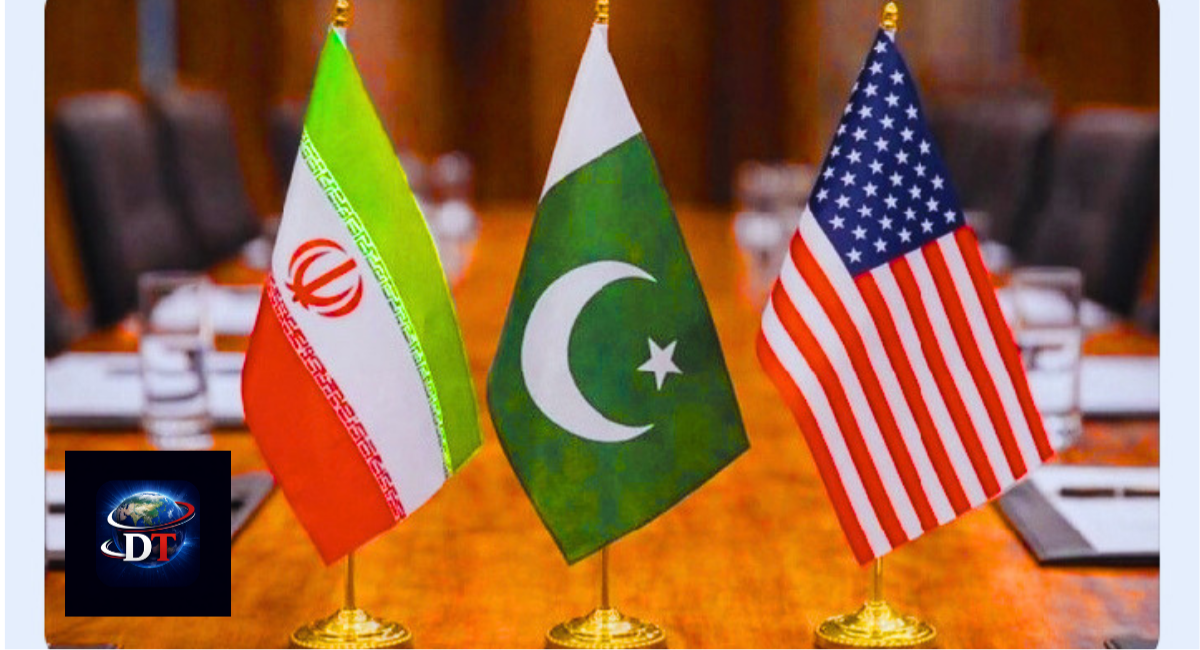
US Iran Talks in Islamabad have opened a new chapter in global politics. This meeting is not just a diplomatic event, but a potential turning point that could reduce tensions in the Middle East.
Table of Contents
Historic Face-to-Face Meeting After Decades
The talks in Islamabad are important because this is the first time in decades that senior leaders from both countries have met directly at the same table. Since 1979, direct engagement has been rare, making this development highly significant.
The goal of this meeting is not only discussion but also to rebuild trust. Both sides have adopted a cautiously positive tone, which is being seen as a strong start.
Key Leaders and Delegations Involved
The American delegation is led by Vice President JD Vance, while Iran is represented by senior political leaders including the parliamentary speaker and the foreign minister.
Pakistan has also shown strong representation, with top leadership and military officials present. This highlights Pakistan’s active role as a mediator.
Pakistan’s Role as Peace Mediator
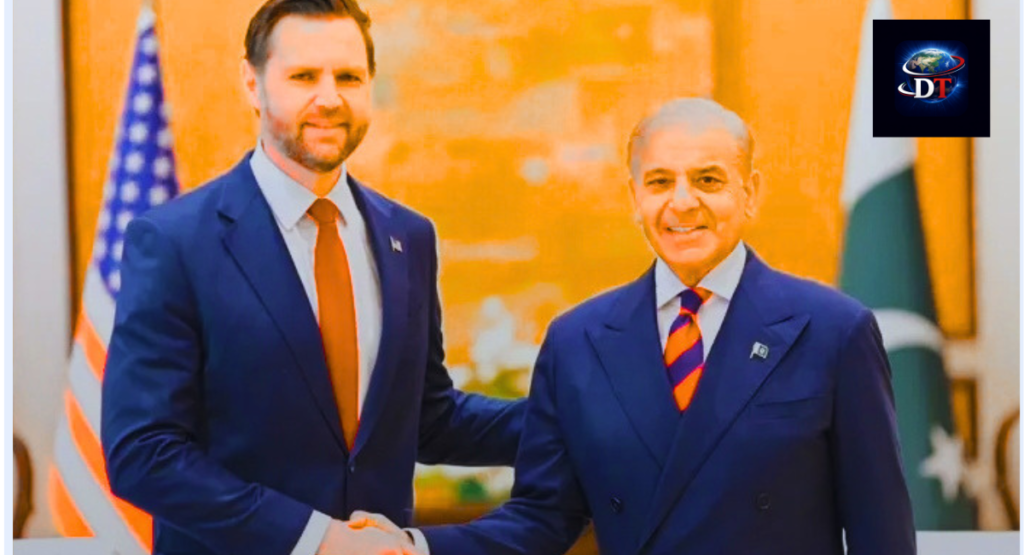
Pakistan has taken a central role in this process. Islamabad has been chosen as a neutral ground where both sides can feel comfortable.
The Prime Minister has also tried to create a positive environment through diplomatic hosting. This effort strengthens Pakistan’s foreign policy and improves its global image.
Main Issues Under Discussion
The talks are not limited to a single issue. Several critical topics are being discussed:
- Regional security concerns
- Financial sanctions and frozen assets
- Safety of the Strait of Hormuz
- Impact of ongoing conflicts
These topics show that the scope of the talks is broad and focused on long-term stability.
Iran’s Demands and Expectations
Iran has presented clear demands at the initial stage. These include a ceasefire, economic relief, and the release of frozen assets.
Iran’s strategy appears to focus on strengthening its economic and political position before reaching a final agreement. This approach makes negotiations more complex.
US Position and Strategic Response
The United States has maintained a clear stance. Its focus is on strong negotiation while maintaining pressure.
The US has also signaled that it will not accept any form of manipulation. This shows that despite a friendly tone, the talks are expected to remain tough.
Impact of Ongoing Regional Conflict
The ongoing conflict between Lebanon and Israel has made the situation more complicated. Military actions and rocket exchanges have increased pressure on the peace process.
This factor can directly affect the outcome of the talks because the ground situation remains unstable.
Strait of Hormuz Tension and Global Trade
The Strait of Hormuz is critical for the global economy. Major oil supplies and shipping routes pass through this area.
If stability is achieved, it can have a positive impact on global markets. However, rising tensions could increase economic uncertainty.
International Reactions and Expectations
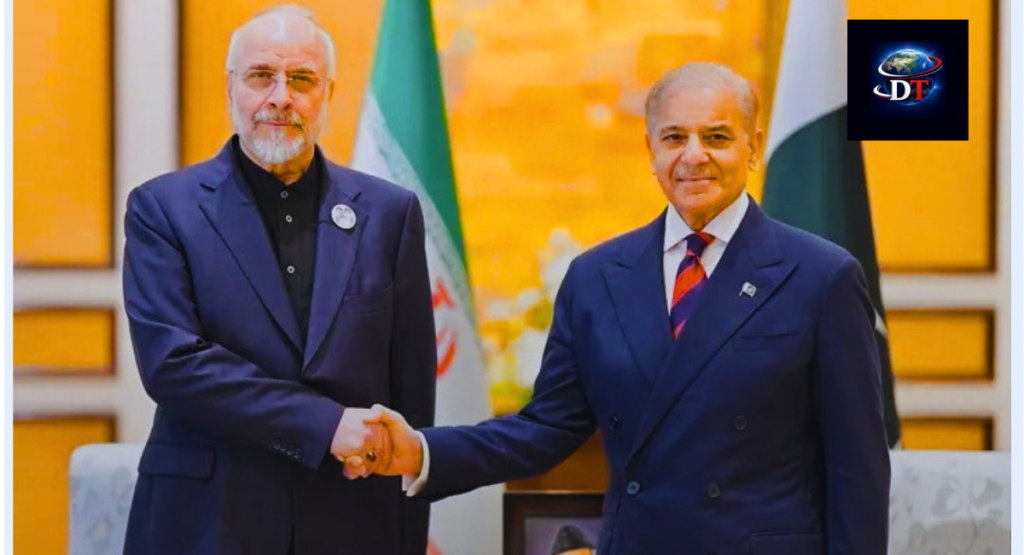
Countries around the world are closely observing these talks. There is hope for a breakthrough.
Some reports suggest that international players are offering indirect support, while direct involvement remains limited. This helps keep the negotiations focused.
Challenges in Reaching Final Agreement
Despite progress, several challenges remain:
- Mutual distrust
- Ongoing conflicts
- political pressure
- Strategic interests
These factors may delay an agreement. A quick solution is not realistic at this stage.
Future Outlook of Peace Process
If successful, these talks could become a game changer for the Middle East. However, failure could lead to further escalation of tensions.
The next rounds of discussions and technical negotiations will define the direction of this process.
Conclusion
US Iran Talks in Islamabad represent a critical diplomatic moment that could lead to peace. Now the world is watching closely to see whether this dialogue turns into a real agreement or not.
FAQs
What are US Iran Talks Islamabad?
US Iran Talks Islamabad are direct peace negotiations between the United States and Iran held in Pakistan to reduce tensions.
Why are these talks happening in Islamabad?
Islamabad is being used as a neutral location where Pakistan is acting as a mediator between both countries.
Who is leading the US delegation?
The US delegation is led by Vice President JD Vance.
What does Iran want from these talks?
Iran is seeking a ceasefire, economic relief, and access to frozen financial assets.
What issues are being discussed?
Security concerns, financial sanctions, and the Strait of Hormuz are key topics.
Can these talks lead to peace?
There is potential, but success depends on agreement and trust from both sides.
What is Pakistan’s role?
Pakistan is hosting and facilitating the talks to help both sides reach a peaceful solution.
https://duniyatime.com/petrol-prices-pakistan-crisis-10-key-reasons-explained/https://duniyatime.com/pakistan-fuel-prices-hike-amid-rising-global-oil-crisis/https://duniyatime.com/petroleum-products-prices-increase-amid-middle-east-crisis/https://duniyatime.com/fuel-price-hike-in-pakistan-sparks-senate-concerns-debate/

I am the founder and writer at Duniya Time.com, a news website focused on national and international news, social issues, and history. With a background in Islamic History, I write research-based articles in a clear and honest style. My goal is to share accurate information, thoughtful analysis, and meaningful stories that help readers stay informed and understand the world better.