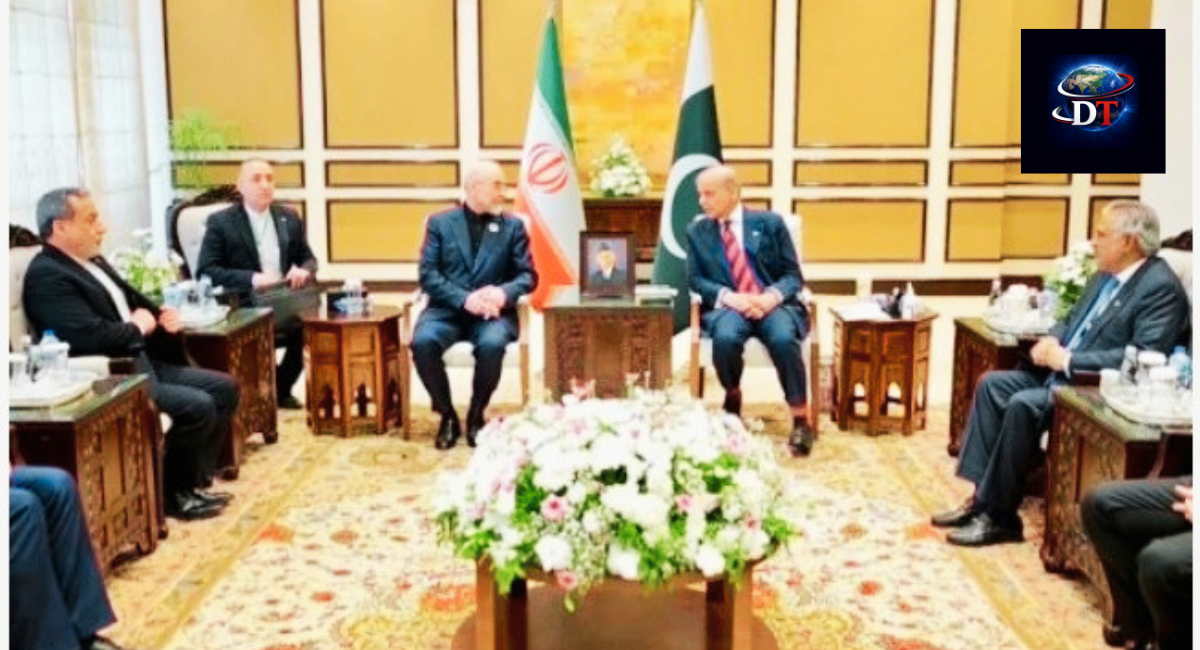
The US-Iran talks in Islamabad created fresh tension in global politics. The 21-hour negotiations showed that diplomacy is complex and resolving long-term conflicts is never as simple as it seems.
Table of Contents
Marathon Talks But No Breakthrough
The 21-hour meeting between the US and Iran in Islamabad raised high expectations. However, resolving a decades-old dispute in such a short time proved difficult. The talks felt more like a testing phase, where both sides tried to understand each other’s strategy.
Massive Delegations Show Serious Intent
Both countries sent unusually large delegations. Iran included political, military, and technical experts, while the US also showed strong representation with senior officials. This made it clear that the US-Iran talks Islamabad were serious, not just symbolic.
Nuclear Issue Remains Core Conflict
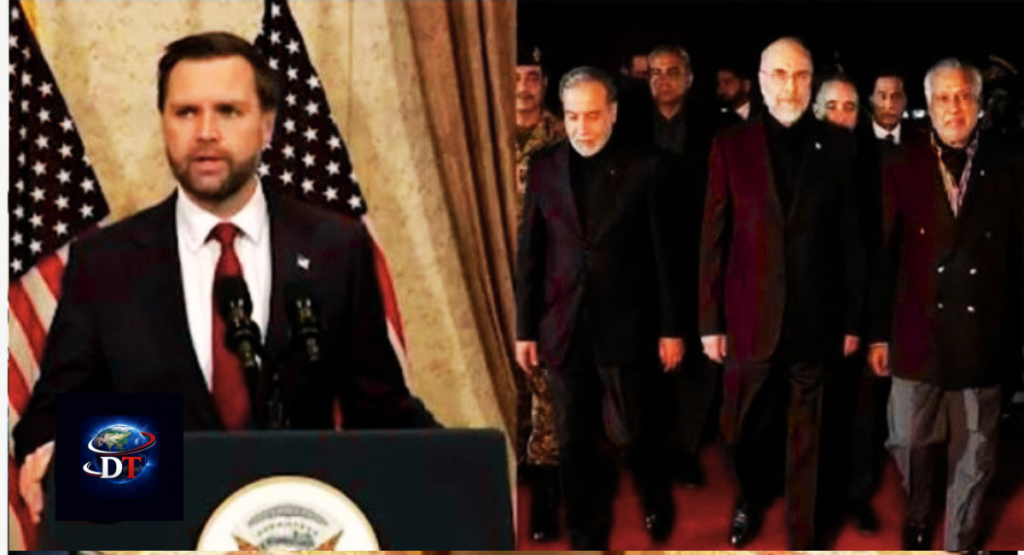
The biggest issue remained Iran’s nuclear program. The US demanded limits on uranium enrichment, while Iran refused to compromise on its sovereignty. This disagreement became the main reason behind the deadlock.
Strait of Hormuz Adds New Complexity
Beyond the nuclear issue, control over the Strait of Hormuz became another major point of tension. This route is critical for global oil supply. Iran used it as a strategic tool, making negotiations even more complicated.
Leadership Involvement at Highest Level
US Vice President JD Vance was directly involved and frequently consulted Donald Trump. This highlights how sensitive and high-level these talks were.
Iran’s Experienced Negotiation Team
Iran was represented by experienced diplomats like Abbas Araghchi and Ali Bagheri Kani. Their previous involvement in nuclear negotiations added depth to Iran’s strategy.
Trust Deficit Still a Major Barrier
A clear lack of trust existed between both sides. Iran believes the US tries to impose its conditions, while the US questions Iran’s intentions. This mutual mistrust slows down progress.
Unrealistic Expectations from Short Talks
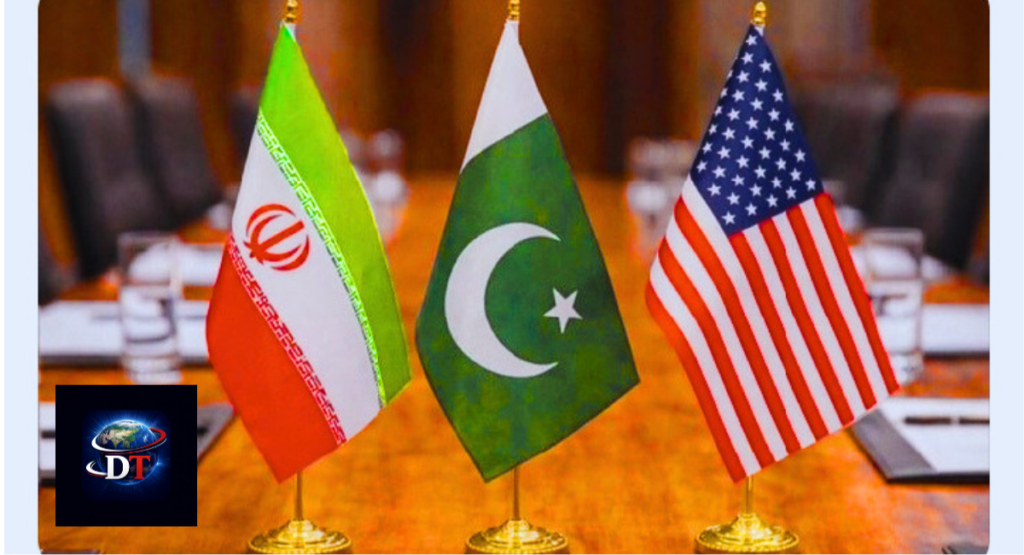
US Iran Talks Islamabad highlight a major step toward possible peace
Experts believe resolving such complex issues in just 21 hours was unrealistic. Past agreements, like the 2015 nuclear deal, took years to finalize. That is why the outcome of the US-Iran talks in Islamabad was not surprising.
Risk of Escalation Still Exists
Even after the talks ended, tensions did not disappear. The possibility of a blockade in the Strait of Hormuz and regional conflict remains. This could impact global oil prices and security.
Future of Diplomacy Still Open
Despite the lack of agreement, the door to diplomacy is not closed. Statements suggest that discussions may continue in the future. This keeps hope for a peaceful resolution alive.
Conclusion
The US-Iran talks in Islamabad proved that diplomacy takes time. If both sides show flexibility, there is still a chance for a peaceful solution in the future.
FAQs :
What were the US Iran talks Islamabad?
US Iran talks Islamabad were high-level diplomatic negotiations held in Pakistan in April 2026, aimed at resolving the ceasefire situation and nuclear dispute.
How long did the talks last?
The negotiations lasted around 21 hours, making it a marathon diplomatic session, but no final agreement was reached.
What was the main reason for the failure of the talks?
The biggest reason was disagreement over the nuclear program. The US wanted a clear commitment from Iran, but Iran rejected these demands.
Why is the Strait of Hormuz issue important?
The Strait of Hormuz is a critical route for global oil supply. Control over this region made the negotiations more complex.
Can talks happen again in the future?
Yes, according to experts, diplomacy is not over yet. Both sides have not completely closed the door to future negotiations.
What was Pakistan’s role?
Pakistan acted as a mediator and played an important role in bringing both countries to the negotiation table.
What could be the global impact of the failed talks?
The failure could increase regional tensions and affect oil prices, posing a risk to the global economy.

I am the founder and writer at Duniya Time.com, a news website focused on national and international news, social issues, and history. With a background in Islamic History, I write research-based articles in a clear and honest style. My goal is to share accurate information, thoughtful analysis, and meaningful stories that help readers stay informed and understand the world better.