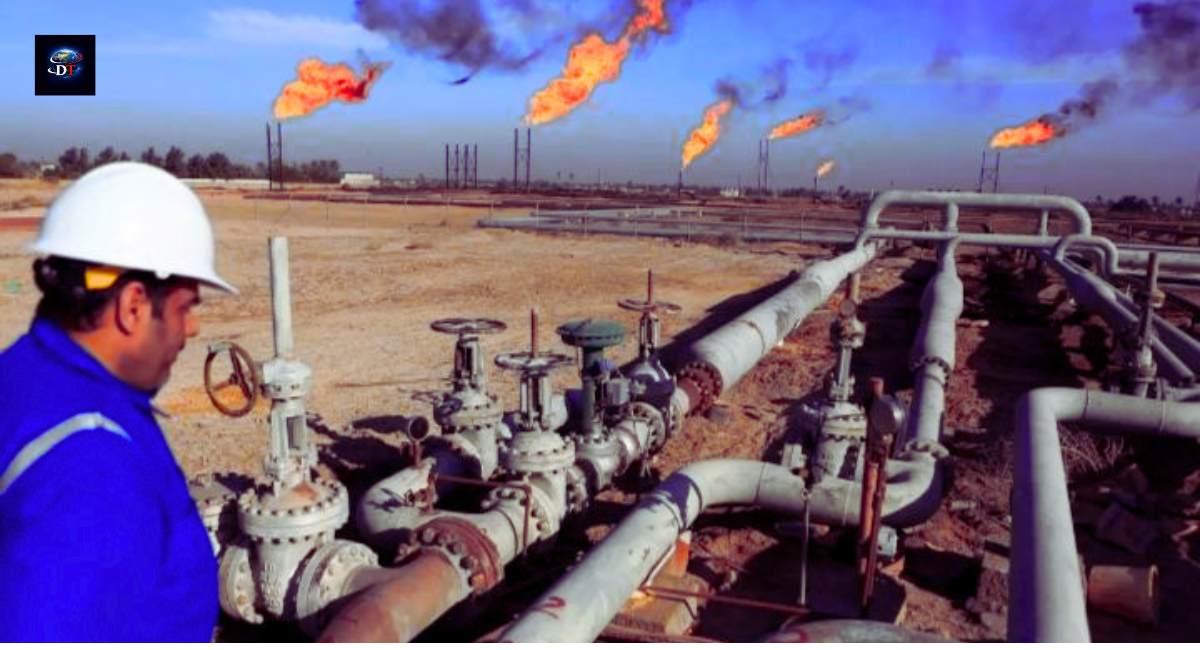
Oil prices rise above $120 as tensions around Strait of Hormuz disrupt global supply. Markets react fast, raising fuel costs and increasing fears of economic pressure worldwide.
Table of Contents
Market shock deepens
The global energy market is facing fresh pressure as Brent Crude Oil crosses a key level. Investors are reacting quickly, pushing prices higher due to uncertainty. This sharp movement signals concern about supply stability and future availability.
Strait supply risk
A major reason behind this surge is the disruption near the Strait of Hormuz. This route carries nearly one fifth of global oil shipments. Any restriction here creates instant global impact, forcing traders to rethink supply chains.
US strategy shift
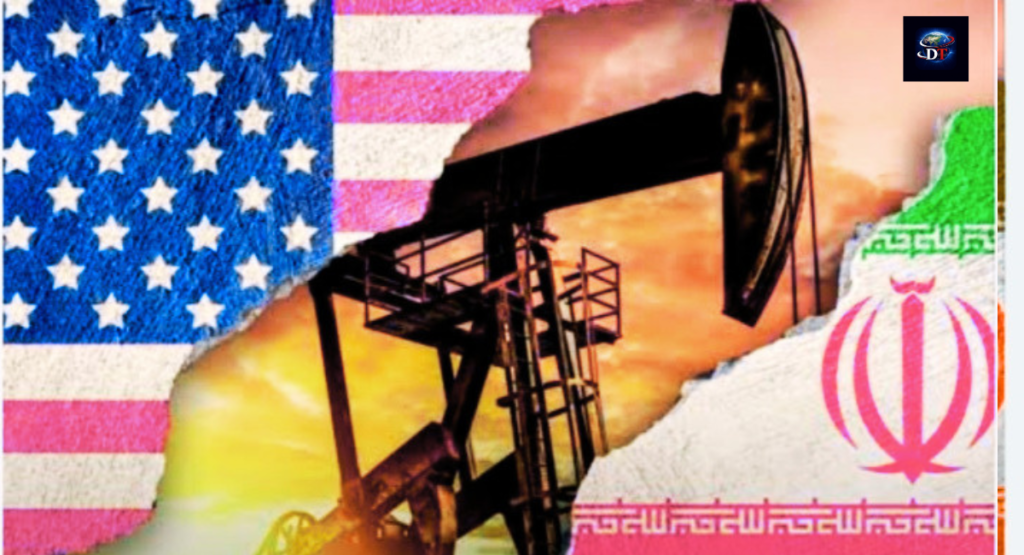
The administration of Donald Trump is reportedly preparing for a longer blockade. This move aims to increase pressure on Iran by limiting its exports. The strategy signals a more aggressive economic approach instead of direct military escalation.
Energy talks begin
Senior executives from major companies like Chevron recently met US officials. Discussions focused on production levels, supply gaps, and ways to protect domestic markets. These meetings show growing concern within the energy sector.
Shipping disruptions grow
Iran has responded by warning vessels near its waters. Reports suggest that shipping activity is already slowing. Even small disruptions can create panic in oil markets, leading to rapid price jumps and uncertainty among traders.
Price swings continue
In recent weeks, prices have shown extreme volatility. At one point, oil dropped near $90 after temporary easing in tensions. However, continued conflict has reversed that trend, pushing the market back into a high risk zone.
Economic impact spreads
Rising fuel costs are now affecting daily life. Petrol and diesel prices are climbing, which increases transportation costs. This eventually leads to higher prices for basic goods, impacting households and businesses alike.
Iran faces pressure
The economy of Iran is under severe strain. Inflation has crossed alarming levels, while its currency continues to weaken. Job losses are increasing, creating a difficult situation for ordinary citizens as the crisis deepens.
Global markets react
Stock markets around the world are reacting cautiously. European indices have declined slightly, while US markets remain uncertain. Investors are watching central bank decisions closely, especially from the Federal Reserve.
Future outlook unclear
Experts believe the situation could worsen if supply routes remain blocked. According to the World Bank, energy prices may rise further if disruptions continue. Markets are already pricing in a prolonged crisis.
Conclusion
Oil prices rose above $120, reflecting deeper global tension and supply fears. If the blockade continues, economic pressure may increase worldwide, making energy stability a key concern for governments and consumers.
FAQs
What caused oil prices to rise above $120?
Oil prices rise above $120 due to tensions around Iran and disruption in the Strait of Hormuz affecting global supply.
How does the Iran blockade impact oil markets?
The blockade limits oil exports and shipping routes, creating supply shortages and pushing prices higher.
Why is the Strait of Hormuz important?
It is a key route for global oil transport, and any disruption affects worldwide energy supply
Will oil prices continue to rise?
Prices may stay high if tensions continue and supply disruptions are not resolved.
How do high oil prices affect daily life?
They increase fuel costs, transport expenses, and prices of goods and services globally.

I am the founder and writer at Duniya Time.com, a news website focused on national and international news, social issues, and history. With a background in Islamic History, I write research-based articles in a clear and honest style. My goal is to share accurate information, thoughtful analysis, and meaningful stories that help readers stay informed and understand the world better.