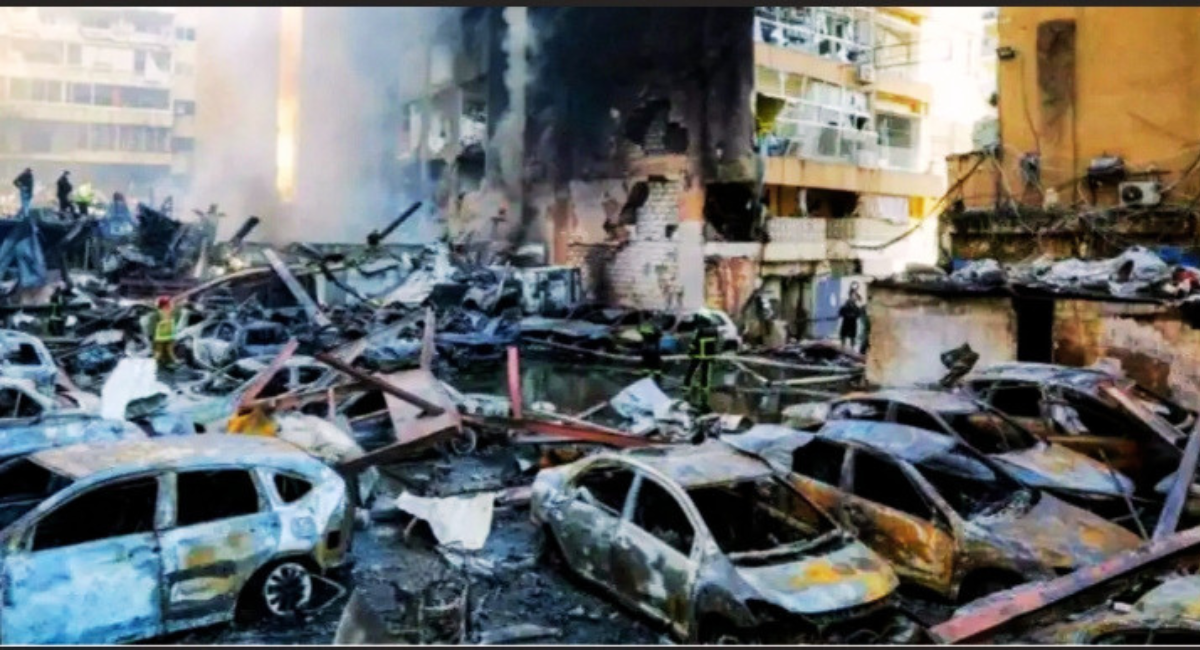
Israel Lebanon Offensive developments have entered a new phase as Israeli forces expand military operations deeper into southern Lebanon. Recent battlefield gains, new evacuation orders, and rising international concern have increased attention on the conflict. The situation has affected civilians, damaged infrastructure, and raised questions about regional stability. As fighting continues between Israel and Hezbollah, diplomatic efforts face growing challenges while both sides remain committed to their military objectives.
Table of Contents
Border Zone Expands
Israeli forces have widened the area covered by evacuation warnings in southern Lebanon. Military officials instructed residents living south of the Zahrani River to leave for safety reasons. According to Israeli statements, the operation targets Hezbollah positions and military infrastructure. The expansion reflects a broader campaign that has gradually moved beyond previously defined operational boundaries. Communities across the region are experiencing uncertainty as military activity increases. The growing security zone demonstrates how the conflict continues to evolve and affects both strategic planning and civilian life across southern Lebanese territory.
Strategic Castle Captured
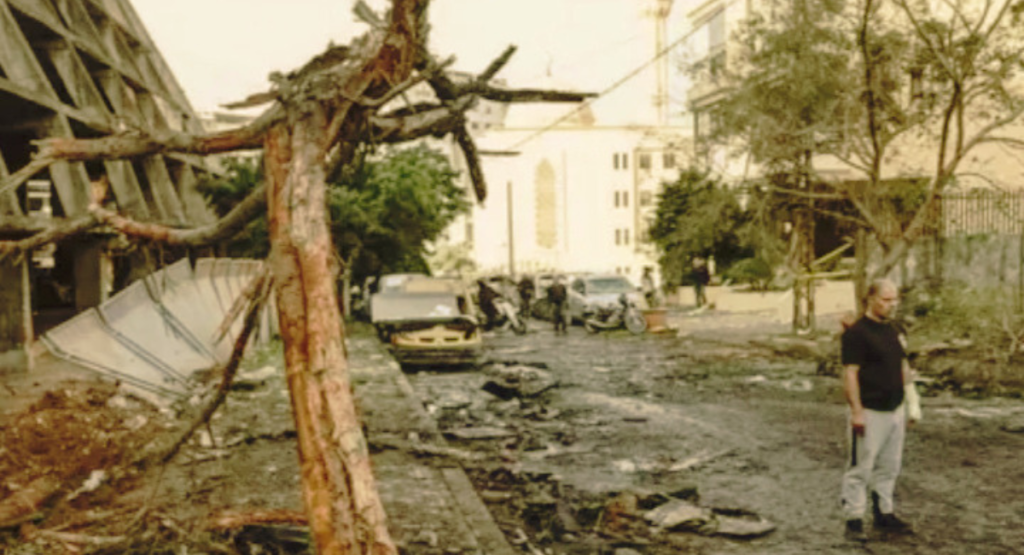
A significant development occurred when Israeli troops announced control of Beaufort Castle. The historic fortress stands on a high ridge overlooking important routes in southern Lebanon. Military analysts consider the location valuable because it provides extensive observation capabilities over surrounding areas. Throughout history, the castle has served as a strategic military position for different forces. Its capture carries both symbolic and tactical importance. Israeli leaders described the achievement as evidence of operational success. The event highlights the importance of geography in modern warfare and demonstrates how historic locations can still influence contemporary military campaigns.
Military Presence Grows
The Israel Lebanon Offensive has expanded with additional ground troops entering operational areas. Israeli officials stated that a substantial number of soldiers are involved in ongoing missions. The increase in personnel suggests a long term commitment to achieving military objectives. Ground forces continue conducting operations aimed at limiting Hezbollah capabilities near the border. Military planners view troop deployment as essential for securing newly controlled positions. The growing presence reflects the seriousness of the campaign and indicates that military leaders expect continued challenges in the coming weeks and months.
Humanitarian Concerns Rise
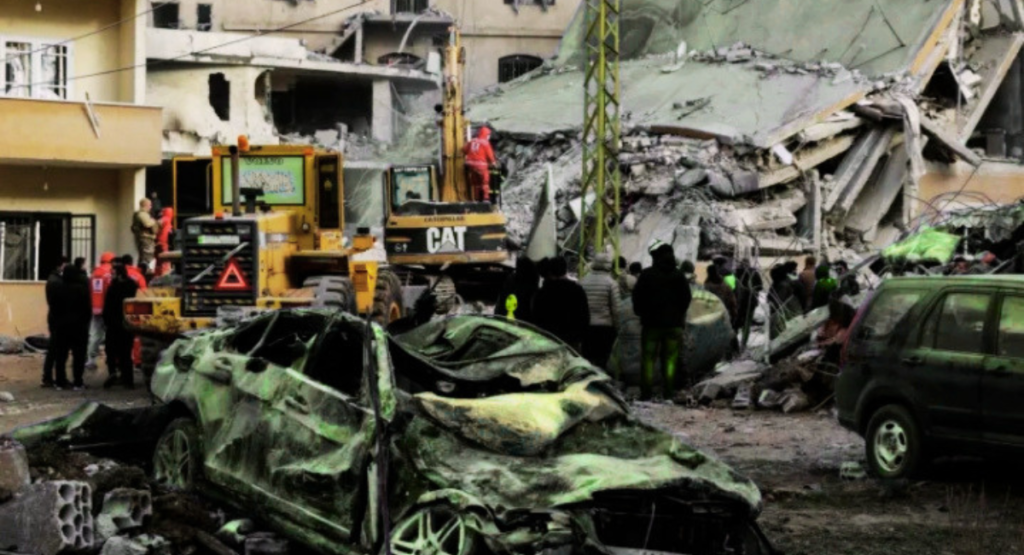
Civilian safety remains a major concern as military actions continue. Reports from Lebanese authorities indicate injuries among medical workers and damage to healthcare facilities. Humanitarian organizations frequently stress the importance of protecting hospitals and essential services during armed conflicts. Residents in affected regions face disruptions to daily life, including limited access to transportation and public services. Families have been forced to relocate due to security risks. The humanitarian impact extends beyond immediate casualties, influencing economic activity, education, and community stability throughout areas experiencing ongoing military operations.
Global Pressure Increases
International reactions to the conflict have become stronger in recent weeks. Several governments and diplomatic organizations have expressed concern about military escalation. France has called for discussions at the United Nations Security Council regarding developments in Lebanon. Officials argue that continued fighting could further destabilize the region. Global leaders are encouraging diplomatic engagement to reduce tensions and prevent additional casualties. International pressure reflects fears that prolonged confrontation may create broader consequences beyond the immediate battlefield and complicate efforts to achieve long term regional peace.
Leaders Exchange Messages
Political leaders from both sides continue presenting competing narratives about the conflict. Israeli officials describe military operations as necessary for national security and border protection. Lebanese leaders criticize the campaign and argue that civilian communities are bearing the consequences of military actions. Public statements often shape domestic opinion and influence international perceptions. Leadership messaging also affects diplomatic discussions and future negotiations. As the conflict continues, political communication remains an important element alongside military developments, with each side seeking support for its position on the global stage.
Hezbollah Attacks Continue
The Israel Lebanon Offensive has been accompanied by continued attacks from Hezbollah. The group has launched rockets, missiles, and drones targeting Israeli military positions and border communities. Israeli authorities argue that these attacks justify expanded operations inside Lebanon. Hezbollah maintains that its actions are part of resistance efforts against Israeli military activity. The ongoing exchange of attacks increases security concerns on both sides of the border. Continued hostilities demonstrate that neither party appears willing to reduce military pressure despite growing international calls for restraint and dialogue.
Talks Face Challenges
Diplomatic negotiations remain active despite continued fighting. Representatives from Lebanon and Israel are expected to participate in additional discussions aimed at reducing tensions. However, achieving progress remains difficult because military developments often influence political positions. Trust between parties remains limited, creating obstacles for meaningful agreements. Negotiators must address security concerns while also considering humanitarian needs and regional stability. Although dialogue offers a potential path forward, current battlefield conditions make immediate breakthroughs unlikely. The success of future talks may depend on developments both on the ground and within international diplomacy.
Regional Risks Increase
The Israel Lebanon Offensive carries implications beyond the immediate conflict zone. Regional observers warn that prolonged fighting could affect neighboring countries and broader Middle Eastern stability. Increased military activity raises concerns about accidental escalation involving additional actors. Economic uncertainty and security challenges may also influence regional cooperation efforts. Governments across the region continue monitoring developments closely. The possibility of wider consequences explains why international attention remains focused on events in southern Lebanon and along the Israel Lebanon border area.
Future Outlook Ahead
The future direction of the conflict remains uncertain. Military operations continue while diplomatic channels remain open. Both sides appear determined to pursue their objectives, making a quick resolution difficult. International actors are likely to increase efforts aimed at reducing tensions and encouraging negotiations. The coming weeks could prove critical in shaping the trajectory of the crisis. Decisions made by political and military leaders will influence not only immediate security conditions but also the long term prospects for stability in the region.
Conclusion
The Israel Lebanon Offensive represents one of the most significant regional security challenges of recent months. Expanding military operations, humanitarian concerns, and diplomatic tensions continue to shape developments on the ground. While battlefield events dominate headlines, negotiations remain an important avenue for reducing risks. The situation requires careful monitoring as regional and international stakeholders seek ways to prevent further escalation and support long term stability across the border region.
FAQS
What is the Israel Lebanon Offensive?
The Israel Lebanon Offensive refers to the expanded military campaign conducted by Israeli forces against Hezbollah positions in southern Lebanon.
Why is Beaufort Castle important in the conflict?
Beaufort Castle is a strategic location overlooking key areas of southern Lebanon and provides significant military observation advantages.
How has the conflict affected civilians?
The fighting has led to evacuations, infrastructure damage, injuries, and growing humanitarian concerns across affected regions.
What role does Hezbollah play in the conflict?
Hezbollah continues launching rockets, missiles, and drones against Israeli military positions and border communities.
Are diplomatic talks still taking place?
Yes, diplomatic discussions between Lebanese and Israeli representatives are continuing despite ongoing military operations.
Why is the international community concerned?
Many countries fear that continued escalation could increase civilian suffering and create wider regional instability.
Could the conflict spread beyond Lebanon and Israel?
Regional observers warn that prolonged fighting may raise tensions across the Middle East and affect neighboring countries.

I am the founder and writer at Duniya Time.com, a news website focused on national and international news, social issues, and history. With a background in Islamic History, I write research-based articles in a clear and honest style. My goal is to share accurate information, thoughtful analysis, and meaningful stories that help readers stay informed and understand the world better.