US Iran Ceasefire Memorandum has become one of the most discussed international developments after reports of a proposed agreement aimed at ending military tensions. The document outlines a framework for future negotiations, regional security, sanctions relief, and nuclear discussions. The agreement still requires confirmation and further diplomatic progress before becoming permanent.
Table of Contents
Background of Deal
The proposed memorandum follows weeks of military escalation that raised concerns across the Middle East. International pressure increased as governments urged both sides to prevent a wider regional conflict.
According to US officials, the memorandum serves as an initial framework instead of a final peace treaty. It is designed to reduce immediate tensions while creating space for detailed negotiations.
Iran has not publicly confirmed every reported provision. As a result, many parts of the agreement remain subject to official verification before implementation.
Why Agreement Matters
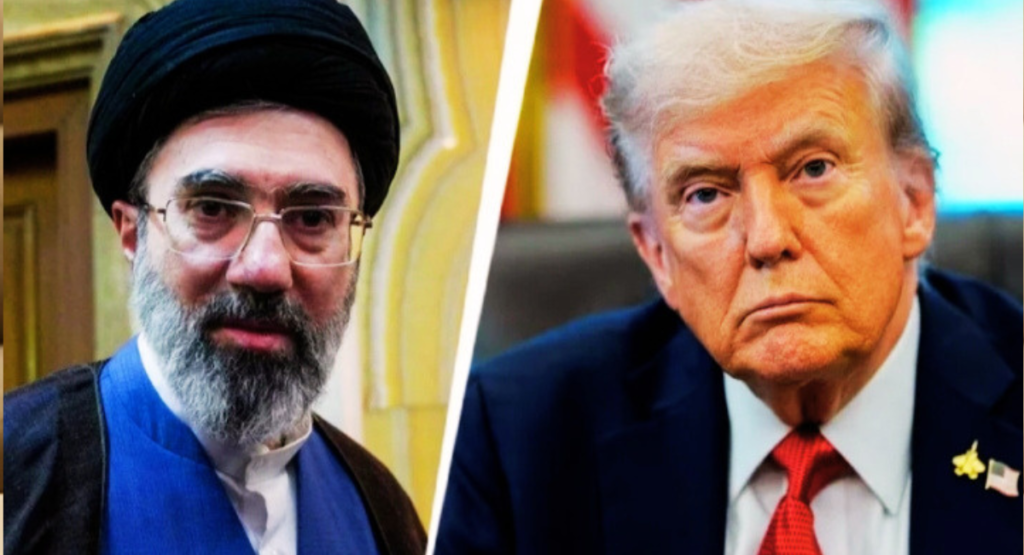
The US Iran Ceasefire Memorandum represents an important diplomatic effort to replace military confrontation with political dialogue. Such agreements often help reduce uncertainty during periods of conflict.
If implemented successfully, the memorandum could improve regional stability and restore confidence among international partners concerned about security and energy supplies.
Diplomatic experts believe sustained negotiations will determine whether this temporary framework develops into a long term agreement.
Ceasefire Commitments
One major element involves an immediate halt to military operations between the involved parties. Both governments would avoid new military actions while negotiations continue.
Respect for sovereignty and territorial integrity forms another important principle within the proposed framework. This reflects common diplomatic standards in international agreements.
Successful implementation depends on continued cooperation and monitoring throughout the negotiation period.
Nuclear Negotiations
The US Iran Ceasefire Memorandum also includes plans for discussions about Iran’s nuclear program. These talks are expected to continue over several weeks.
Reports indicate that future negotiations may address uranium enrichment, nuclear inspections, and verification measures under international supervision.
A permanent agreement would require mutual understanding and approval from both governments before any major policy changes occur.
Sanctions and Economy
Economic measures remain one of the most important issues in negotiations. Discussions include possible sanctions relief and financial arrangements if both sides reach a final agreement.
Improved economic relations could help Iran increase trade while creating opportunities for broader regional economic cooperation.
However, sanctions policy will likely depend on progress made during diplomatic negotiations and compliance with future commitments.
Strait of Hormuz
The US Iran Ceasefire Memorandum highlights the importance of maintaining safe commercial shipping through the Strait of Hormuz. This waterway remains one of the world’s busiest energy routes.
Any disruption in shipping can affect global oil prices and international trade. Restoring confidence in maritime security benefits many countries.
Regional cooperation will be essential to ensure safe navigation and reduce future security risks.
Regional Impact
Neighboring countries are closely monitoring developments because regional stability affects security, trade, and diplomatic relations throughout the Middle East.
A successful agreement could reduce military tensions while encouraging further diplomatic engagement between regional powers.
Experts caution that long term peace requires consistent dialogue and practical implementation of agreed commitments.
Global Response
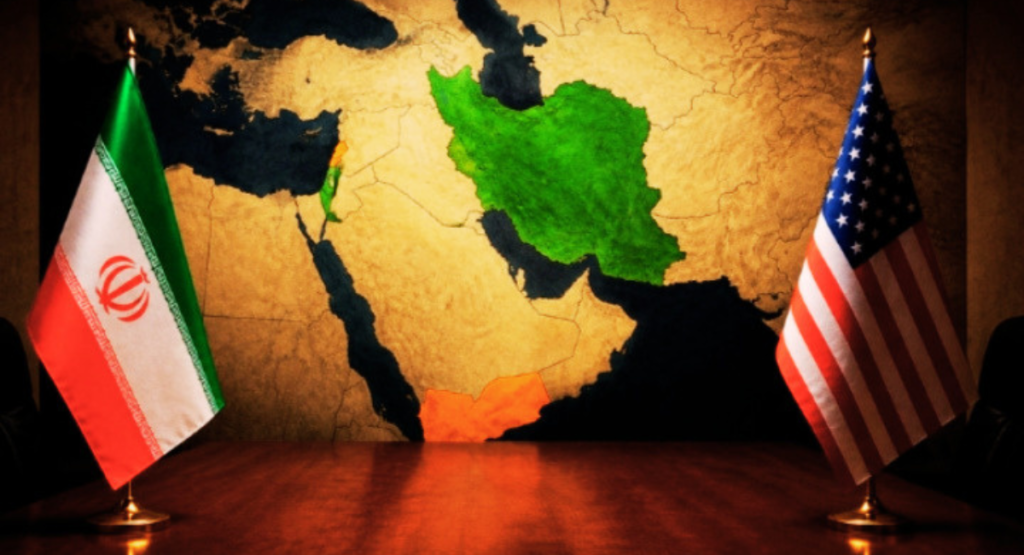
The US Iran Ceasefire Memorandum has attracted attention from governments, international organizations, and financial markets worldwide.
Many countries support diplomatic solutions because prolonged conflict creates economic uncertainty and humanitarian concerns.
International observers continue watching official statements from both governments before reaching final conclusions.
Challenges Ahead
Although the memorandum presents an encouraging diplomatic step, several challenges remain before a comprehensive agreement becomes reality.
Political differences, verification mechanisms, sanctions, and security concerns require detailed negotiations over the coming weeks.
Both governments must demonstrate continued commitment to diplomacy for meaningful progress.
Future Outlook
The US Iran Ceasefire Memorandum could become the foundation for broader diplomatic cooperation if negotiations continue successfully.
Future discussions may determine how sanctions, regional security, nuclear commitments, and economic cooperation evolve over time.
The international community will closely monitor each stage as both sides work toward a lasting agreement.
Conclusion
The US Iran Ceasefire Memorandum marks an important diplomatic initiative aimed at reducing tensions through negotiation instead of conflict. While significant questions remain, the proposed framework offers an opportunity for continued dialogue. Its long term success will depend on mutual trust, verified implementation, and sustained diplomatic commitment from both governments.
FAQS
What is the US Iran Ceasefire Memorandum?
The US Iran Ceasefire Memorandum is a proposed diplomatic framework that aims to reduce military tensions and begin negotiations on security, sanctions, and nuclear issues.
Has the agreement become final?
No. Reports indicate that negotiations are still ongoing, and several provisions require official confirmation and implementation before becoming a permanent agreement.
Why is the Strait of Hormuz included in the talks?
The Strait of Hormuz is a vital global shipping route. Keeping it open helps protect international trade and energy supplies.
What does the memorandum say about Iran’s nuclear program?
The framework includes future negotiations on nuclear activities, international monitoring, and possible agreements on uranium enrichment and verification.
Could sanctions on Iran be lifted?
Possible sanctions relief has been discussed as part of future negotiations, but any changes depend on a final agreement and successful implementation.
Why is this agreement important?
The memorandum could help reduce regional tensions, support diplomatic dialogue, improve maritime security, and encourage long term stability in the Middle East.

I am the founder and writer at Duniya Time.com, a news website focused on national and international news, social issues, and history. With a background in Islamic History, I write research-based articles in a clear and honest style. My goal is to share accurate information, thoughtful analysis, and meaningful stories that help readers stay informed and understand the world better.