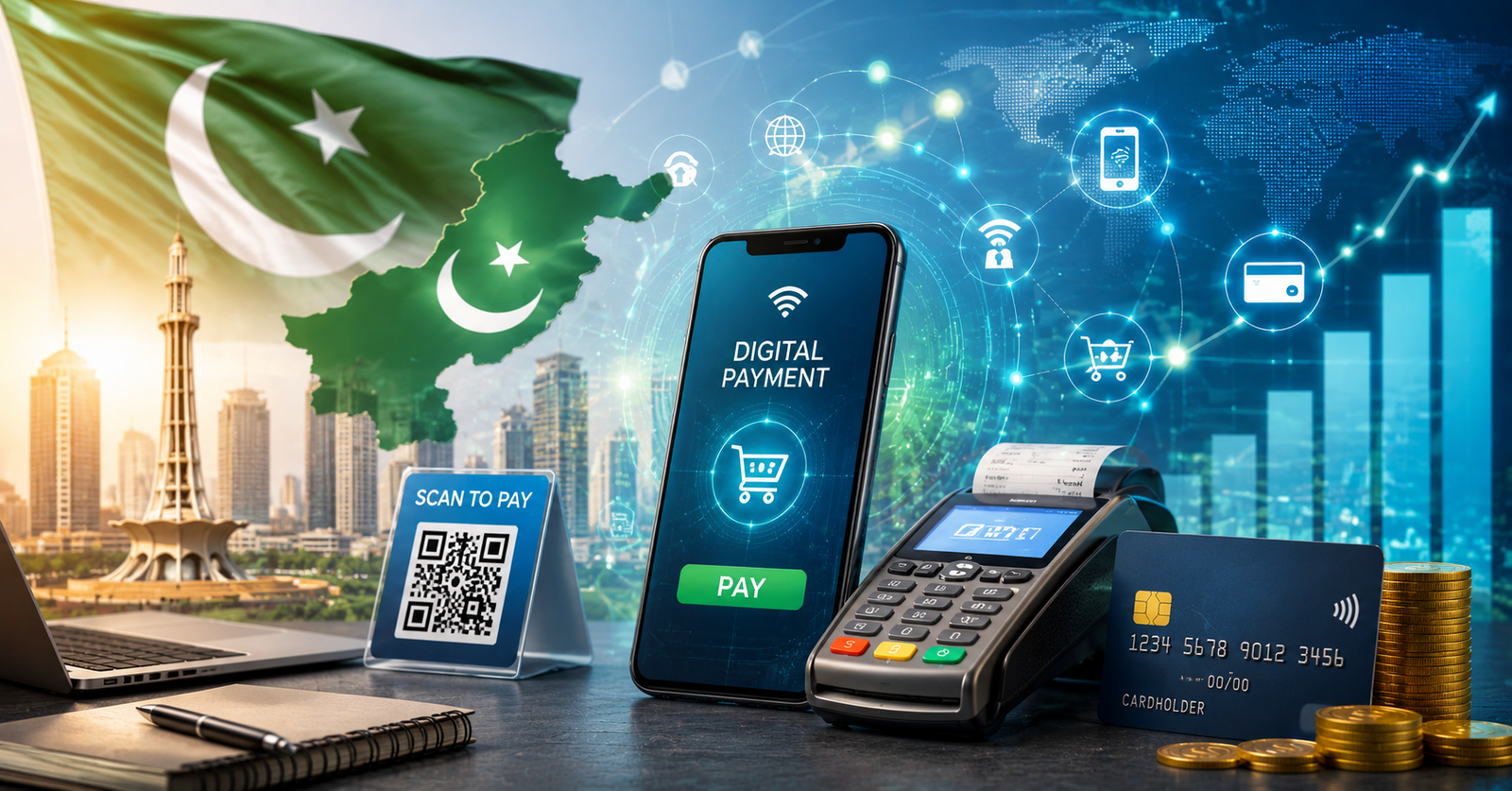
Pakistan is moving toward digital payments as financial technology expands across the country. Analyst hails govt’s vision to promote cashless economy, saying the policy could improve transparency, reduce cash dependence, and support economic growth if implemented effectively.
Table of Contents
Why Experts Support a Cashless Economy
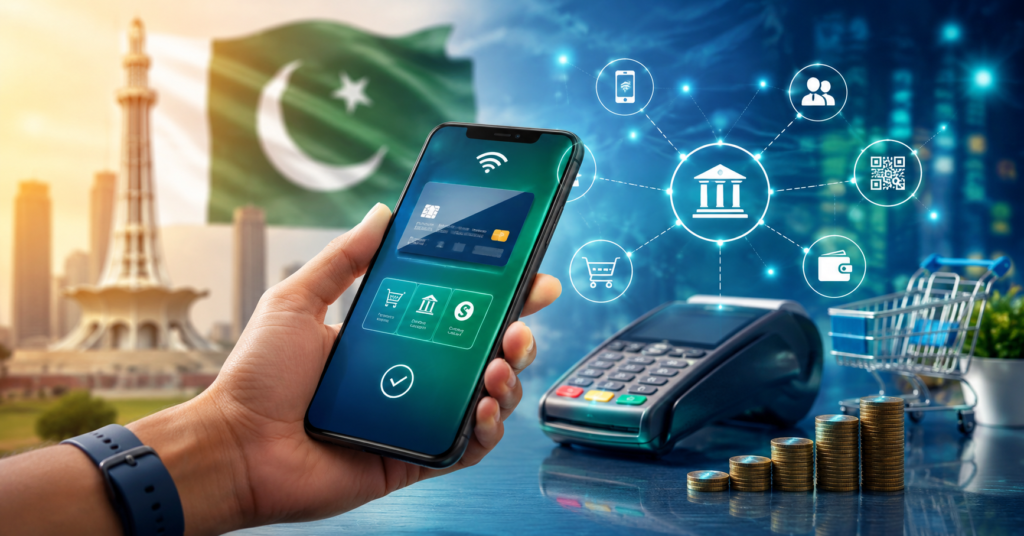
Financial analysts believe digital payments can modernize Pakistan’s economy. Electronic transactions create better financial records, improve tax collection, and reduce the risks linked with carrying cash. Experts say these changes could strengthen confidence in the country’s financial system.
Many countries have already increased the use of digital payments through mobile wallets and online banking. Analysts believe Pakistan can achieve similar progress by improving digital infrastructure and encouraging people to adopt secure payment methods.
Government’s Vision for Digital Payments
The government has announced several initiatives to increase digital financial services. These include expanding payment networks, supporting fintech companies, and improving online banking services across urban and rural areas.
Analyst hails govt’s vision to promote cashless economy because digital payment systems may help reduce the informal economy. Better transaction records can also improve financial planning for both businesses and government institutions.
Benefits for Consumers and Businesses
Digital payments offer convenience for customers. People can pay bills, transfer money, and shop online without carrying large amounts of cash. Faster transactions also save valuable time during daily activities.
Businesses benefit from secure payment records and lower cash handling costs. Small retailers can reach more customers by accepting mobile payments, QR code payments, and debit or credit card transactions.
Role of Mobile Banking and Fintech
Mobile banking continues expanding rapidly in Pakistan. Banking apps and digital wallets allow users to send money instantly, pay utility bills, and manage accounts from their smartphones.
Fintech companies are introducing innovative financial services for individuals and businesses. These platforms encourage financial inclusion by offering easier access to digital payment solutions and secure online transactions.
Challenges That Still Need Attention
Despite progress, some areas still face internet connectivity issues and limited digital awareness. Many people continue relying on cash because they are unfamiliar with digital payment systems or worry about online security.
Analyst hails govt’s vision to promote cashless economy, but experts stress that digital literacy and cybersecurity must improve. Strong consumer protection will help build public trust in electronic financial services.
Importance of Financial Inclusion
A cashless economy works best when everyone can access banking services. Expanding bank accounts, mobile wallets, and digital identification can bring more people into the formal financial system.
Financial inclusion also supports women, students, and small business owners. Easy access to secure financial services creates more opportunities for saving, investing, and growing small enterprises.
Impact on Pakistan’s Economy
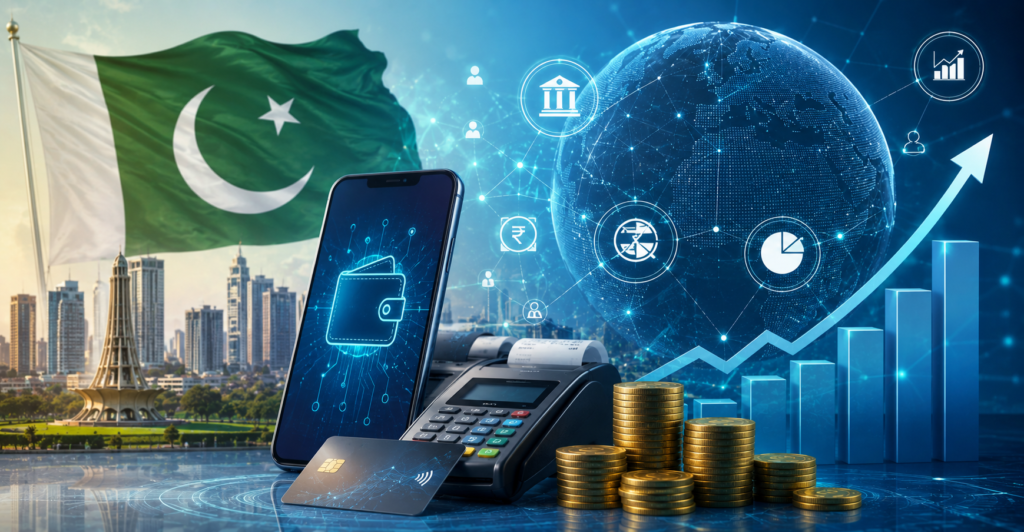
Greater use of digital payments may increase economic transparency and improve tax compliance. Better financial records can support economic planning while reducing cash related fraud and informal transactions.
Analyst hails govt’s vision to promote cashless economy because digital systems could attract investment. International investors often prefer markets with efficient and transparent financial infrastructure.
Future of Digital Transactions
The future of payments in Pakistan will likely depend on stronger internet access, better digital education, and continued investment in financial technology. Public awareness campaigns can encourage wider adoption of electronic payments.
Banks, fintech firms, telecom companies, and regulators will all play important roles. Their cooperation can help create secure, reliable, and user friendly payment systems for millions of citizens.
What Experts Recommend
Experts recommend improving cybersecurity, reducing digital transaction costs, and expanding financial education. They also encourage government agencies to work closely with private companies to improve payment infrastructure nationwide.
According to analysts, long term success requires consistent policy implementation and public confidence. Analyst hails govt’s vision to promote cashless economy, but lasting results will depend on effective execution and continued innovation.
Conclusion
Pakistan’s shift toward digital payments could transform the financial system through greater transparency, convenience, and inclusion. Continued investment, secure technology, and public trust will determine the long term success of a cashless economy.
FAQS
What does Analyst hails govt’s vision to promote cashless economy mean?
It means financial experts support the government’s efforts to increase digital payments, reduce cash use, and improve transparency in Pakistan’s financial system.
How can Analyst hails govt’s vision to promote cashless economy benefit Pakistan?
A cashless economy can improve financial transparency, reduce fraud, increase tax collection, support businesses, and make daily payments faster and more secure.
What are the main advantages of a cashless economy?
The main benefits include secure transactions, faster payments, lower cash handling costs, better financial records, and greater financial inclusion.
What challenges does Pakistan face in becoming a cashless economy?
Challenges include limited internet access in some areas, low digital literacy, cybersecurity concerns, and the need for wider access to banking services.
Why are digital payments important for Pakistan’s future?
Digital payments support economic growth, encourage innovation, improve financial inclusion, and help build a modern and transparent financial system.

I am the founder and writer at Duniya Time.com, a news website focused on national and international news, social issues, and history. With a background in Islamic History, I write research-based articles in a clear and honest style. My goal is to share accurate information, thoughtful analysis, and meaningful stories that help readers stay informed and understand the world better.