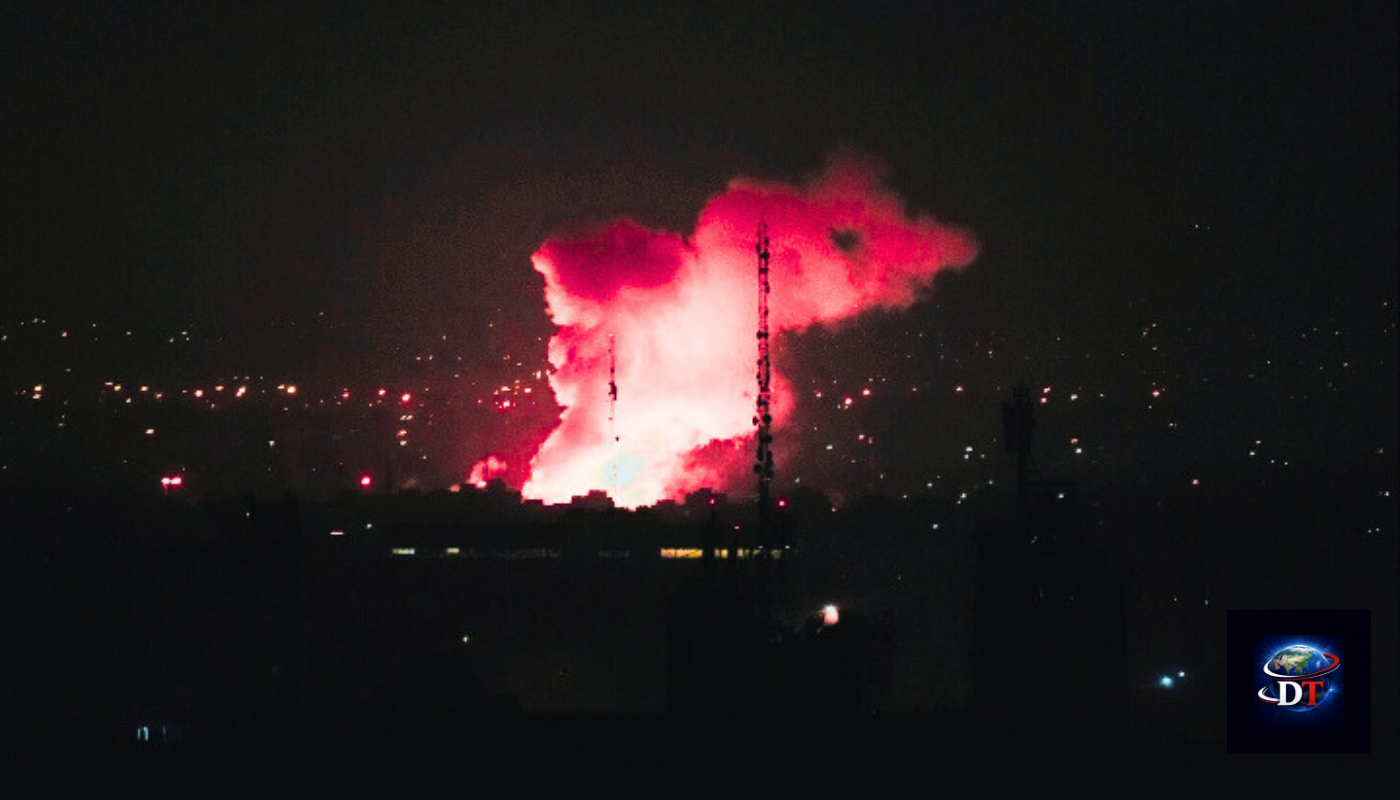
The US-Israel-Iran War is rapidly expanding across the Middle East. New airstrikes, drone attacks, and a military plane crash in Iraq show how serious the situation has become. The conflict is now affecting oil markets, global politics, and regional security.
Table of Contents
The US-Israel-Iran War Intensifies Across the Region
The US-Israel-Iran War is growing more dangerous with new military actions. Airstrikes were reported in Tehran and Beirut, while several countries in the region faced drone and missile threats. Governments around the world are closely watching the conflict.
US Refuelling Aircraft Crashes in Iraq
A US military refuelling aircraft crashed in Iraq during the ongoing war. According to the United States Central Command, the plane was flying in friendly airspace and the crash was not caused by enemy fire.
At least five crew members were on board when the incident happened. Rescue teams quickly started operations to find and help the crew.
Israeli Strikes Reported in Tehran and Beirut
Military strikes linked to Israel hit areas in Tehran and Beirut. Local reports said strong explosions shook buildings and frightened residents.
The attacks are believed to target Iran’s military and
Trump Claims War Is Moving Quickly
Donald Trump said the war against Iran is progressing quickly. He stated that Iran is “paying a big price” for its actions.
His comments show that the United States plans to continue strong military pressure.
Netanyahu Issues Warning to Iranian Leadership
Benjamin Netanyahu also delivered a strong warning. He suggested that Iran’s leadership and allied groups like Hezbollah could face serious consequences if attacks continue.
Israeli officials say their goal is to stop Iran from developing advanced missiles and nuclear weapons.
Strait of Hormuz Becomes Major Risk Area
The strategic Strait of Hormuz has become a key point in the conflict. Iran reportedly placed mines in the waterway.
Around 20 percent of the world’s oil supply moves through this route. Any disruption could affect global energy prices.
Oil Prices Jump Due to War Concerns
Oil markets reacted quickly to the conflict. Global crude oil prices moved close to 100 dollars per barrel as traders feared supply disruptions.
Energy experts warn that a longer war could cause major economic pressure worldwide.
Drone Attacks Reported in Gulf Countries
Several Gulf countries reported drone interceptions. Saudi Arabia and Qatar said their defence systems stopped missiles and drones launched from Iran.
These incidents show that the conflict is spreading beyond the main battle zones.
French Soldier Killed in Iraq Attack
Emmanuel Macron confirmed that a French soldier was killed in a drone attack in Erbil, Iraq. Several other soldiers were injured.
It is the first confirmed French military death since the war began.
Growing Global Security Concerns
International leaders are increasingly worried that the war could spread further across the Middle East. Many countries are calling for calm and diplomatic solutions.
However, military activity on all sides suggests the conflict may continue for some time.
Conclusion
The US-Israel-Iran War is quickly turning into a wider regional crisis. Airstrikes, drone attacks, and threats to oil supply routes show the growing danger. If tensions continue rising, the conflict could have serious global economic and security impacts.
Frequently Asked Questions (FAQs)
1. What is the US-Israel-Iran War?
The US-Israel-Iran War refers to the ongoing military conflict involving the United States, Israel, and Iran. The war includes airstrikes, drone attacks, and rising tensions across the Middle East.
2. Why did a US aircraft crash in Iraq?
A US military refuelling aircraft crashed in Iraq during the conflict. According to United States Central Command, the plane was flying in friendly airspace and the crash was not caused by enemy fire.
3. Why is the Strait of Hormuz important in this conflict?
The Strait of Hormuz is a major global oil route. Nearly 20 percent of the world’s oil passes through it. Any disruption in this area can affect global oil prices and energy supply.
4. How is the US-Israel-Iran War affecting oil prices?
The conflict has increased fears about oil supply disruption. Because of this, global oil prices have risen close to 100 dollars per barrel.
5. Which countries are affected by the Middle East conflict?
Countries across the Middle East are feeling the impact, including Iran, Israel, Iraq, Saudi Arabia, Qatar, and the United Arab Emirates. Drone and missile threats have also been reported in several Gulf countries.
6. Could the US-Israel-Iran War spread further?
Many world leaders fear the conflict could expand across the region. If tensions continue rising, more countries may become involved in the crisis.

I am the founder and writer at Duniya Time.com, a news website focused on national and international news, social issues, and history. With a background in Islamic History, I write research-based articles in a clear and honest style. My goal is to share accurate information, thoughtful analysis, and meaningful stories that help readers stay informed and understand the world better.