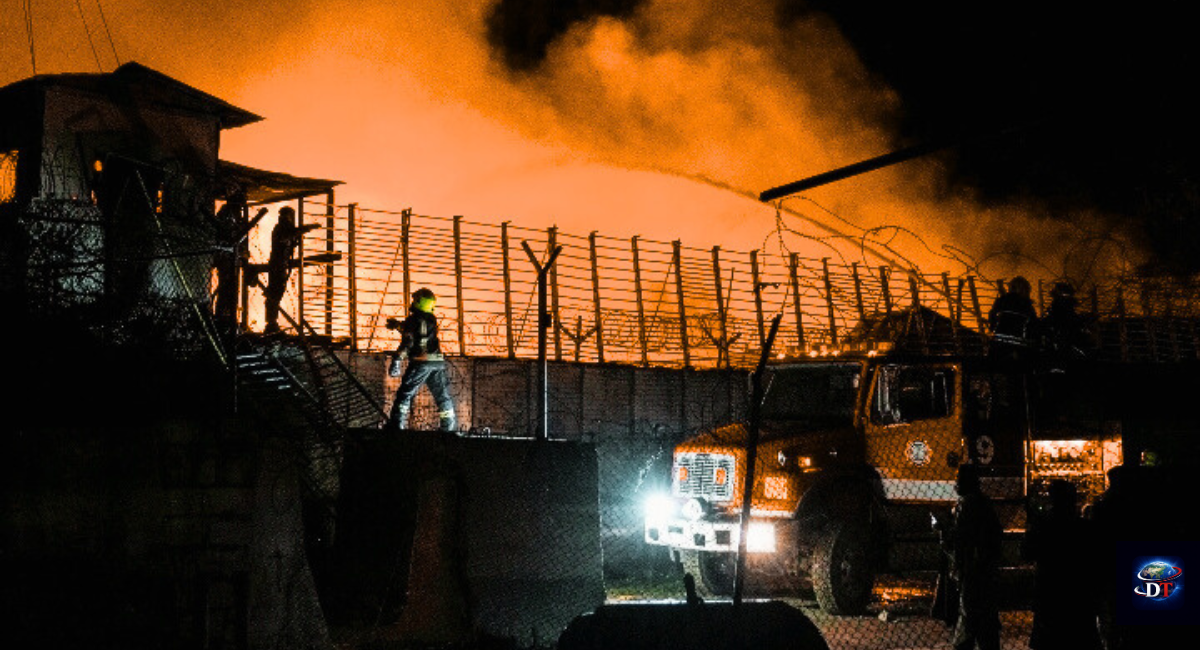
Pakistan airstrikes on Kabul have sharply increased tensions between Pakistan and Afghanistan. The latest strikes triggered serious accusations from both sides and raised fears of a wider conflict in the region. Reports from different sources present conflicting claims about what exactly happened on the ground.
Table of Contents
Pakistan Airstrikes on Kabul Spark Fresh Conflict
Pakistani airstrikes on Kabul took place late Monday night, targeting locations in the Afghan capital. According to Pakistani officials, these were precise operations aimed at militant infrastructure. However, Afghan authorities strongly rejected this claim.
Taliban Claims Heavy Civilian Casualties
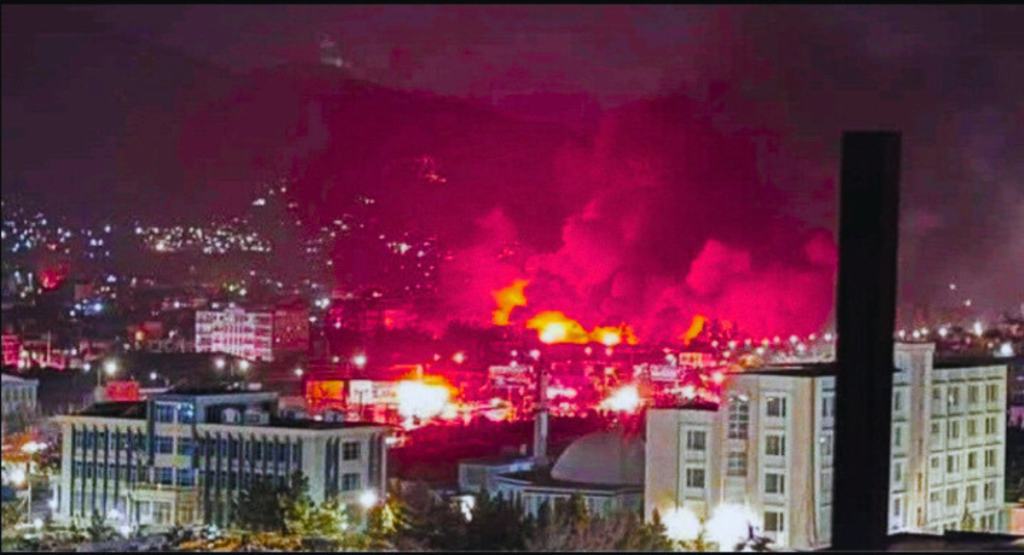
The government led by the Taliban stated that the strikes hit a drug rehabilitation center. Officials claimed hundreds of people may have been killed, including patients receiving treatment. These claims have not been fully verified yet.
Pakistan Denies Targeting Civilian Sites
Pakistan’s leadership said the airstrikes were carefully planned to avoid civilian damage. Officials insisted that only military facilities and suspected militant bases were targeted. They also accused Afghan authorities of spreading misinformation.
Destruction Reported at Rehab Facility
Witnesses and rescue teams in Kabul reported severe destruction at a large rehabilitation center. The facility reportedly had thousands of patients. Parts of the building were damaged, and emergency teams continued rescue operations for hours.
Longstanding Tensions Behind the Crisis
The conflict did not start overnight. Relations between Pakistan and Afghanistan have been tense since 2021, when the Taliban returned to power after the withdrawal of US forces. Pakistan has repeatedly accused Afghanistan of sheltering militant groups.
Border Clashes Increased Since February
Violence has grown steadily since February. Both sides have exchanged strikes across the border. Pakistan claims it is acting in self-defense, while Afghanistan denies supporting cross-border attacks.
Regional Powers Watching Closely
The situation has drawn attention from major countries like China, India, and the United States. These countries have strong interests in regional stability and trade routes.
India Strongly Reacts to Airstrikes
India criticized Pakistan’s actions, calling them unacceptable and dangerous. This added another layer to the already complex situation, as tensions between India and Pakistan remain sensitive.
Economic Pressure Adds to the Problem
The rising conflict is also affecting Pakistan’s economy. Market instability, falling stocks, and pressure on the currency have increased due to regional uncertainty. Oil prices are also rising because of wider tensions in nearby regions.
Peace Efforts Struggle to Succeed
Efforts to reduce tensions have so far failed. Previous ceasefire agreements did not hold for long. Diplomatic talks supported by countries like China have not produced lasting results.
Risk of Wider Escalation Remains High
The biggest concern now is escalation. If both sides continue military actions, the conflict could spread further. This would not only impact Pakistan and Afghanistan but also affect the entire region.
Conclusion
Pakistani airstrikes on Kabul have created a serious situation with global attention. Conflicting claims, rising casualties, and political tensions are making the crisis more dangerous. Without immediate dialogue and restraint, the chances of a larger conflict remain high.
FAQs (Frequently Asked Questions)
1. What are Pakistan airstrikes on Kabul?
Pakistan airstrikes on Kabul refer to recent military actions carried out by Pakistan targeting locations in Afghanistan’s capital, Kabul.
2. Why did Pakistan launch airstrikes on Kabul?
Pakistan says the strikes targeted militant infrastructure linked to cross-border attacks.
3. What does Afghanistan say about the airstrikes?
Afghanistan claims the strikes hit a rehabilitation center and caused civilian casualties.
4. How many people were affected?
Exact numbers are unclear, but reports suggest dozens to possibly hundreds of casualties.
5. What is the impact of this conflict?
The situation has increased regional tension and raised fears of a wider conflict.

I am the founder and writer at Duniya Time.com, a news website focused on national and international news, social issues, and history. With a background in Islamic History, I write research-based articles in a clear and honest style. My goal is to share accurate information, thoughtful analysis, and meaningful stories that help readers stay informed and understand the world better.