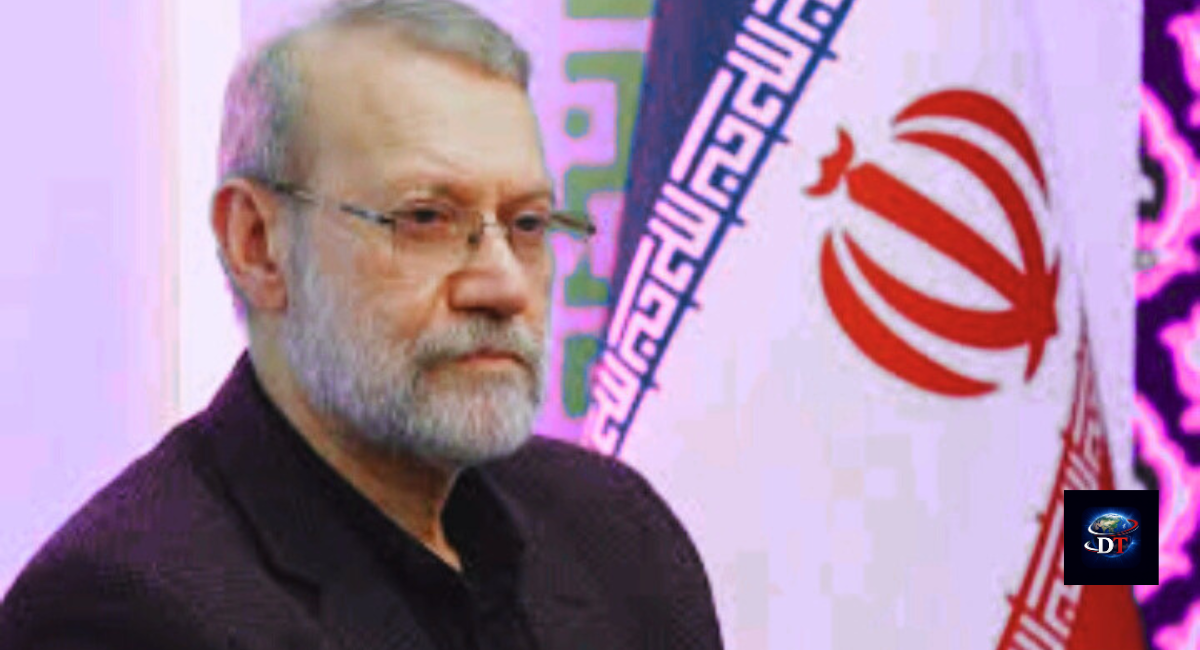
The killing of Ali Larijani has raised serious global concerns. However, Iranian officials insist their political system remains strong and stable despite targeted assassinations and growing regional tensions.
Table of Contents
Iran Political System Stability After Larijani Killing
The assassination of senior Iranian leader Ali Larijani has intensified the ongoing conflict involving Iran, Israel, and the United States. Still, the Iranian leadership has made it clear that their system does not depend on a single individual.
Foreign Minister Abbas Araghchi emphasized that Iran has strong political, economic, and institutional foundations that ensure continuity even during crises.
Assassination Strategy and Regional Impact

Experts believe that targeting high-profile leaders is part of a broader military and psychological strategy. These actions aim to weaken leadership and create instability within Iran.
However, analysts argue that such tactics may not produce the intended results, especially in countries with deeply rooted political structures like Iran.
Iran’s Leadership Structure Explained
Iran operates through a complex system that combines religious authority with political institutions. Even after the reported death of Ali Khamenei, the system quickly adapted and ensured leadership continuity.
The appointment of Mojtaba Khamenei highlights how succession planning is already embedded within the system.
Multiple High-Level Killings Raise Concerns
The killing of Larijani was not an isolated incident. Reports also confirmed the deaths of:
- Gholamreza Soleimani
- Esmaeil Khatib
These back-to-back assassinations signal a major escalation in the ongoing conflict.
Iran’s Response to Targeted Attacks
Iranian officials strongly condemned the attacks and warned of consequences. Supreme Leader Mojtaba Khamenei stated that such actions would only strengthen the country’s resolve.
The leadership framed these killings as attempts to weaken Islam and Iran’s sovereignty, further fueling national unity.
US and Israel Blamed for Escalation
Iran has openly accused the United States and Israel of initiating the conflict.
According to Abbas Araghchi, the war was not Iran’s choice, and responsibility for both human and financial losses lies with Washington.
Expert Analysis on Political Stability
Political analysts, including Marwan Bishara, believe that while such assassinations are unusual in traditional warfare, they are unlikely to collapse Iran’s system.
He noted that although leadership losses can create pressure, they do not necessarily lead to immediate instability.
Psychological and Strategic Effects of Assassinations
Even if the system remains intact, repeated attacks can have long-term effects. These include:
- Increased public fear
- Heightened military response
- Growing regional instability
- Such factors may gradually influence Iran’s internal and external policies.
Ongoing Conflict and Global Implications
The conflict is no longer limited to one region. Attacks on energy facilities in countries like Qatar and Saudi Arabia show how the crisis is expanding.
This raises concerns about global energy security and economic stability.
Can Iran Maintain Long-Term Stability?
Despite ongoing attacks, Iran’s leadership appears confident. Their argument is simple; the system is designed to survive beyond individuals.
However, continued pressure from external forces could test this resilience over time.
Conclusion
The assassination of Ali Larijani marks a major moment in the conflict, but Iran’s leadership insists stability remains intact. The real test lies in how long this resilience can withstand rising global tensions.
FAQs (Frequently Asked Questions)
1. Who was Ali Larijani?
Ali Larijani was a senior Iranian political figure and head of the Supreme National Security Council, known for his influence in Iran’s leadership.
2. Did Larijani’s death affect Iran’s political system?
No, Iranian officials say the system remains stable and does not depend on one individual.
3. Who is leading Iran after recent assassinations?
Mojtaba Khamenei is currently leading Iran after leadership changes.
4. Will these assassinations destabilize Iran?
Experts believe Iran’s system is strong enough to survive, though tensions may increase.

I am the founder and writer at Duniya Time.com, a news website focused on national and international news, social issues, and history. With a background in Islamic History, I write research-based articles in a clear and honest style. My goal is to share accurate information, thoughtful analysis, and meaningful stories that help readers stay informed and understand the world better.