The US-Israel-Iran war debate has taken a new turn after gas field attacks. Statements by leaders raised questions about unity, strategy, and future risks in an already tense region.
Table of Contents
What Triggered the Latest Escalation
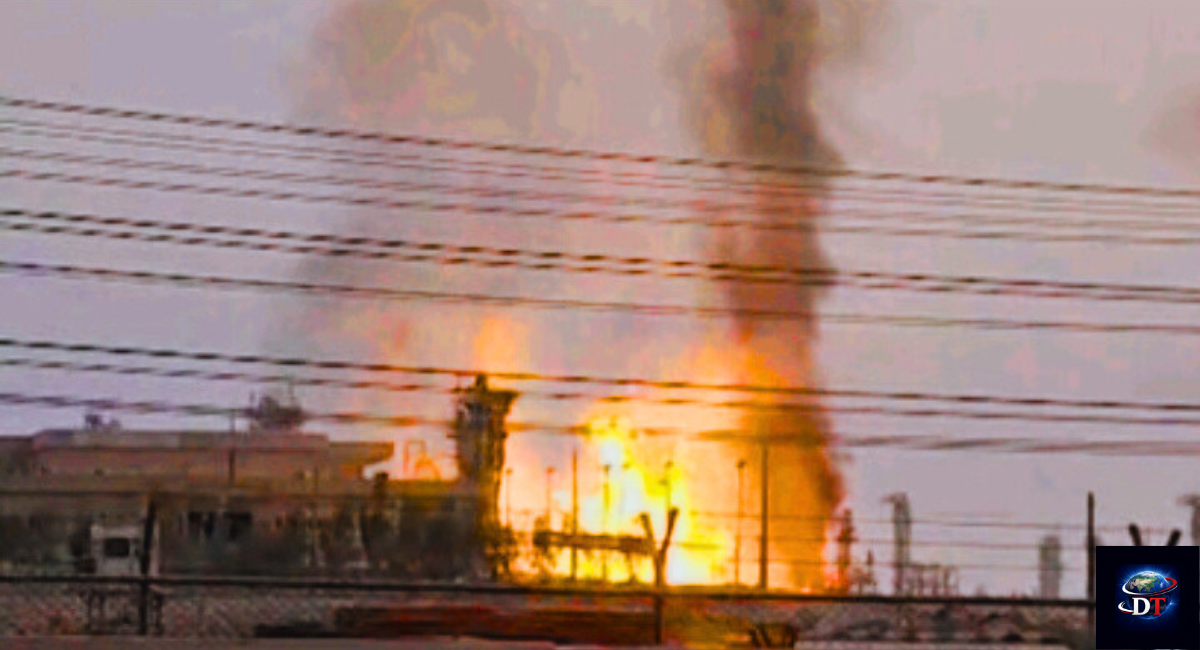
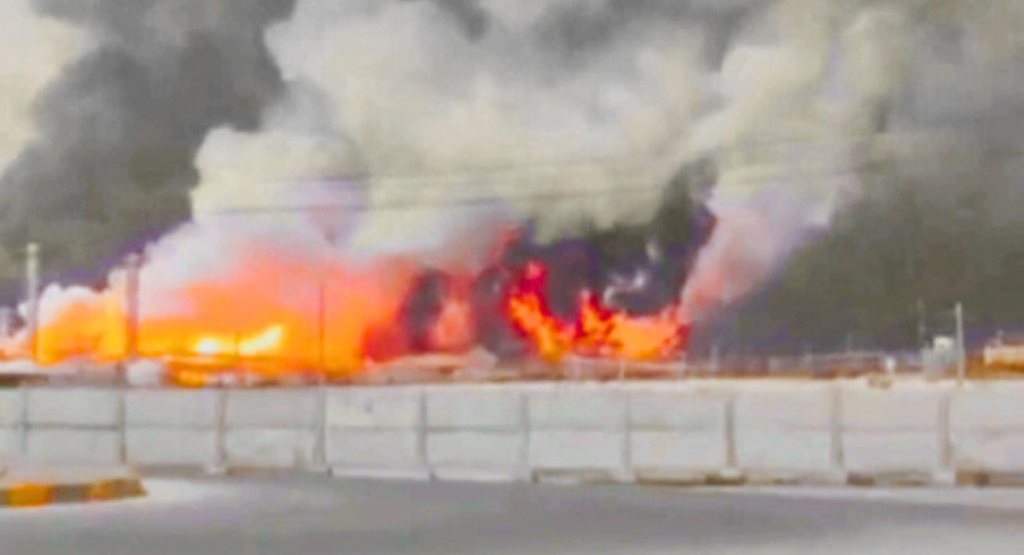
The crisis began when Israel struck Iran’s South Pars gas field, one of the largest energy sources in the world. Iran responded quickly by targeting a facility in Qatar, widening the conflict between the two countries.
This exchange was not just military, it directly impacted global energy markets. Prices jumped, and concerns about supply disruptions grew across Asia and Europe.
Donald Trump Statement Explained
Donald Trump reacted strongly through a public post, claiming the United States had no prior knowledge of Israel’s strike. He also warned Iran against further attacks, especially those targeting Qatar.
His tone mixed denial, warning, and pressure. On one side, he distanced the US from Israel’s decision. On the other, he threatened massive retaliation if Iran escalates further.
Did the US Really Know About the Attack?
Reports from Israeli media suggest the opposite of Trump’s claim. Some sources say the operation was discussed in advance between US and Israeli leadership.
This contradiction creates uncertainty. Either there is a communication gap, or political messaging is being shaped for strategic reasons. In conflicts like this, public statements often serve diplomatic goals, not just facts.
Benjamin Netanyahu Position
Netanyahu stated that Israel acted alone in the strike. He also mentioned that Trump asked Israel to avoid further attacks on the gas field.
At the same time, Netanyahu emphasized strong coordination with the US. This suggests a careful balance. Israel wants to show independence, but also maintain its alliance.
Are the US and Israel Fully Aligned?
The US-Israel-Iran war alignment is not simple. Both countries share key goals like limiting Iran’s military strength and nuclear ambitions.
However, their approaches differ. The US appears focused on controlled pressure and avoiding full-scale chaos. Israel, meanwhile, is more aggressive in weakening Iran’s internal structure and leadership.
Different Goals Behind the Strategy
The United States is mainly targeting Iran’s military capabilities, including missiles and naval power. The aim is to reduce threats without triggering long-term instability.
Israel has a broader objective. It has openly supported the idea of regime change in Iran. This includes strikes on leadership, security forces, and systems that maintain control inside the country.
The Role of Energy and Global Markets
The attack on the South Pars gas field changed the situation. Energy infrastructure is critical not only for Iran but for global supply chains.
Any disruption affects oil and gas prices worldwide. Countries dependent on imports feel immediate pressure. This is why Trump’s warning focused heavily on protecting Qatar’s LNG facilities.
Trump’s Warning to Iran
Trump made it clear that if Iran attacks Qatar again, the US could respond with overwhelming force. He even suggested action without Israel’s approval.
This part of the statement is important. It shows that while the US and Israel are allies, Washington wants to keep final control over major decisions.
Public Support and Political Pressure
Support for war differs between the two countries. In Israel, public backing remains strong. Security concerns and long-standing tensions with Iran drive this support.
In the US, opinion is more divided. Many Americans are cautious about another prolonged conflict. This puts pressure on Trump, especially with upcoming elections.
What Happens Next in the Conflict
The situation remains unstable. Any new attack could trigger a wider regional war. The Strait of Hormuz, a key shipping route, is already under pressure.
Diplomatic efforts continue, but trust between the sides is low. The next moves by Iran, Israel, and the US will shape whether the conflict expands or slows down.
Conclusion
The US-Israel-Iran war alignment shows both unity and tension. While allies share goals, their strategies differ. This gap could define the future of the conflict and global stability.
FAQs (Frequently Asked Questions)
1. What is the US Israel Iran war alignment?
It refers to how closely the United States and Israel are working together in their strategy against Iran during the current conflict.
2. Did the US know about Israel’s attack on Iran gas field?
Donald Trump claimed the US had no prior knowledge, but some reports suggest coordination may have happened.
3. Why is the South Pars gas field important?
It is one of the largest natural gas fields in the world and plays a major role in global energy supply.
4. What did Benjamin Netanyahu say about the attack?
He stated that Israel acted alone but confirmed strong coordination with the United States.
5. How does this conflict affect global markets?
Attacks on energy facilities increase oil and gas prices, impacting economies worldwide.

I am the founder and writer at Duniya Time.com, a news website focused on national and international news, social issues, and history. With a background in Islamic History, I write research-based articles in a clear and honest style. My goal is to share accurate information, thoughtful analysis, and meaningful stories that help readers stay informed and understand the world better.