Live Updates
24 March 2026 | 12:10 PM
Pakistan continues to push for diplomatic solutions as regional tensions remain high. Officials stress the importance of dialogue to avoid further escalation in the Middle East.
introduction
Tensions in the Middle East are rising fast. Pakistan’s Prime Minister Shehbaz Sharif is actively pushing diplomacy, urging global leaders to focus on dialogue instead of conflict.
Table of Contents
Shehbaz Sharif Middle East De-escalation Diplomacy
The ongoing crisis in the Middle East has taken a dangerous turn, with multiple countries involved and tensions spreading across the region. In response, Shehbaz Sharif has stepped forward to promote peace through direct communication with world leaders.
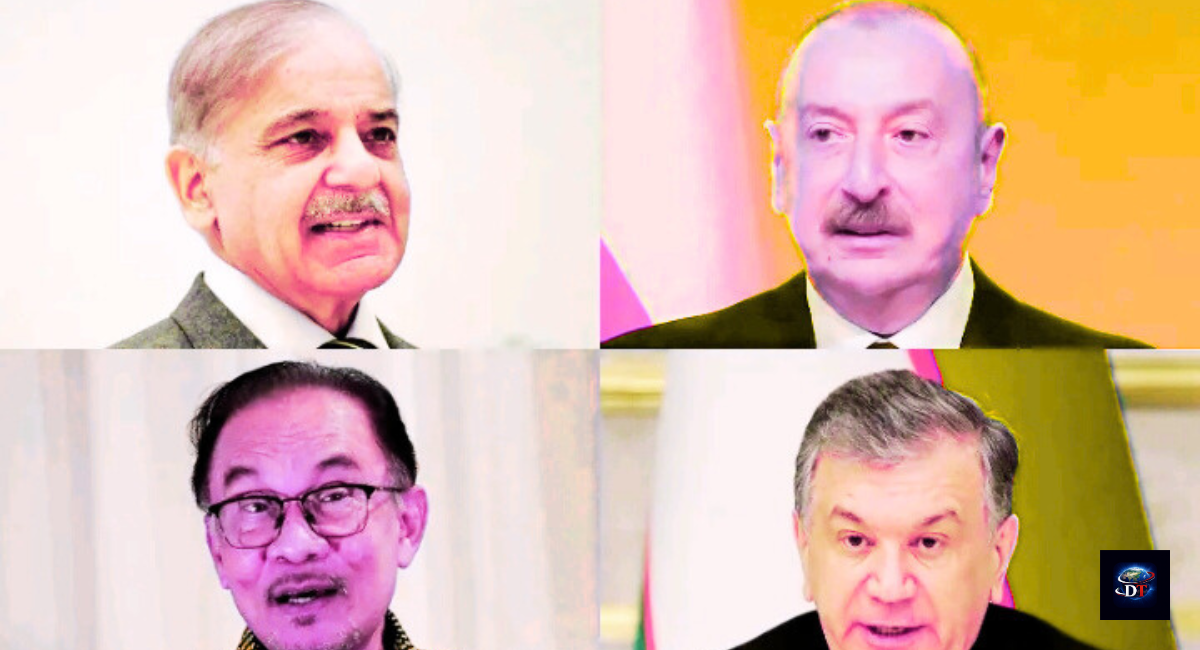
In a series of high-level phone calls, Pakistan’s premier discussed the situation with leaders from Azerbaijan, Malaysia, Uzbekistan, and Egypt. The main message remained clear. Immediate de-escalation and peaceful dialogue are the only way forward.
Rising Tensions Across the Middle East
The conflict involving Iran, Israel, and the United States has intensified in recent weeks. Military actions and counterattacks have expanded beyond borders, affecting regional stability.
Attacks on strategic locations and growing hostility have created a situation that could spiral into a wider war. This has raised serious concerns for global peace and economic stability.
Pakistan’s Clear Stand on Peace
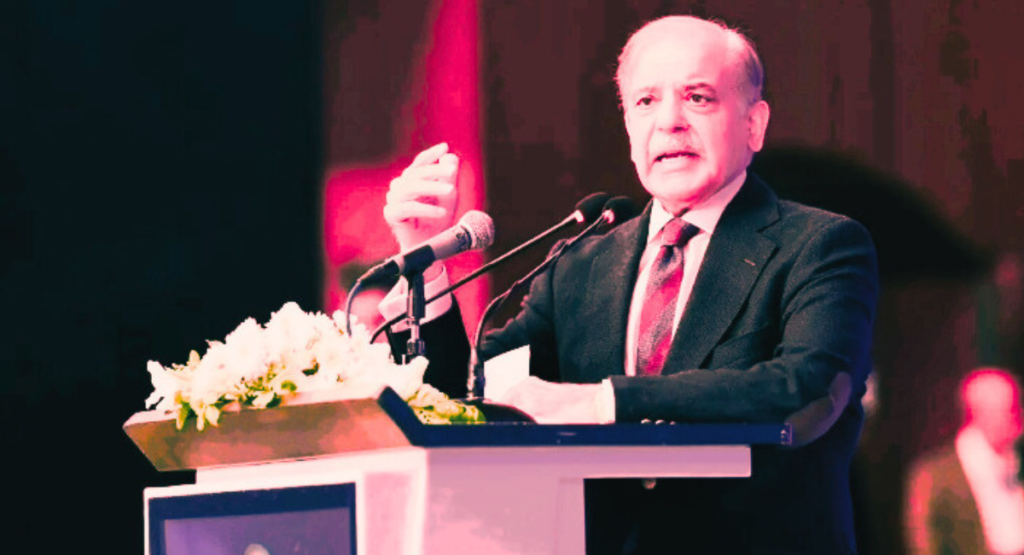
Pakistan has taken a firm and balanced position. The government has strongly condemned aggression while emphasizing the need for restraint.
Prime Minister Shehbaz Sharif highlighted that conflict only leads to destruction and instability. He stressed that diplomacy must replace military action to avoid further escalation.
Phone Call with Ilham Aliyev
During his conversation with Ilham Aliyev, the Prime Minister expressed solidarity with Azerbaijan amid rising tensions. He also condemned attacks targeting the country.
Both leaders agreed that dialogue and cooperation are essential. They reaffirmed their commitment to strengthening bilateral ties while working toward regional peace.
Discussion with Anwar Ibrahim
In a separate call with Anwar Ibrahim, the focus remained on unity within the Muslim world.
The leaders discussed the importance of collective efforts to reduce tensions. They agreed to continue working together to promote peace and stability across affected regions.
Engagement with Shavkat Mirziyoyev
The Prime Minister also connected with Shavkat Mirziyoyev to exchange views on the evolving crisis.
Both sides emphasized the urgent need for diplomatic solutions. They highlighted that peaceful negotiations can help resolve disputes without further damage to regional harmony.
Talks with Abdel Fattah el-Sisi
In his conversation with Abdel Fattah el-Sisi, Shehbaz Sharif appreciated Egypt’s role in promoting peace in the Middle East.
The two leaders agreed to continue diplomatic efforts aimed at restoring stability. They also discussed strengthening cooperation between Pakistan and Egypt.
Role of Diplomacy in Crisis Management
Diplomacy remains the most effective tool during international conflicts. Leaders across nations are now recognizing the importance of communication over confrontation.
Pakistan’s proactive engagement reflects a broader strategy to reduce tensions through dialogue. This approach helps build trust and prevents misunderstandings that can lead to conflict.
Impact on Global Stability
The ongoing crisis is not limited to the Middle East. It has far-reaching effects on global markets, energy supplies, and political alliances.
Countries around the world are closely monitoring the situation. Any escalation could disrupt trade routes and increase economic uncertainty, making de-escalation even more critical.
Pakistan’s Growing Diplomatic Role
Pakistan is increasingly positioning itself as a voice for peace. By engaging with multiple leaders, the country is playing an active role in international diplomacy.
These efforts highlight Pakistan’s commitment to stability and cooperation. It also strengthens its global image as a responsible and peace-oriented nation.
Need for Immediate De-escalation
The urgency of the situation cannot be ignored. Continued conflict will only worsen humanitarian conditions and increase regional instability.
Leaders must act quickly to reduce tensions. Dialogue, negotiation, and mutual understanding are key to avoiding further escalation.
Conclusion
The Middle East crisis demands urgent action. Shehbaz Sharif is pushing for peace through diplomacy, showing that dialogue remains the strongest path to stability and global harmony.
FAQs (Frequently Asked Questions)
1. What did Shehbaz Sharif say about the Middle East crisis?
Shehbaz Sharif urged immediate de-escalation and emphasized dialogue and diplomacy to resolve tensions in the Middle East.
2. Which countries did Pakistan contact regarding the crisis?
Pakistan held talks with Azerbaijan, Malaysia, Uzbekistan, and Egypt.
3. Why is de-escalation important in the Middle East?
De-escalation helps prevent a wider war, reduces human suffering, and supports global economic and political stability.
4. What role is Pakistan playing in this situation?
Pakistan is actively promoting peace by engaging world leaders and encouraging diplomatic solutions.
5. How can diplomacy help resolve conflicts?
Diplomacy allows countries to communicate, negotiate, and settle disputes without violence, leading to long-term stability.

I am the founder and writer at Duniya Time.com, a news website focused on national and international news, social issues, and history. With a background in Islamic History, I write research-based articles in a clear and honest style. My goal is to share accurate information, thoughtful analysis, and meaningful stories that help readers stay informed and understand the world better.