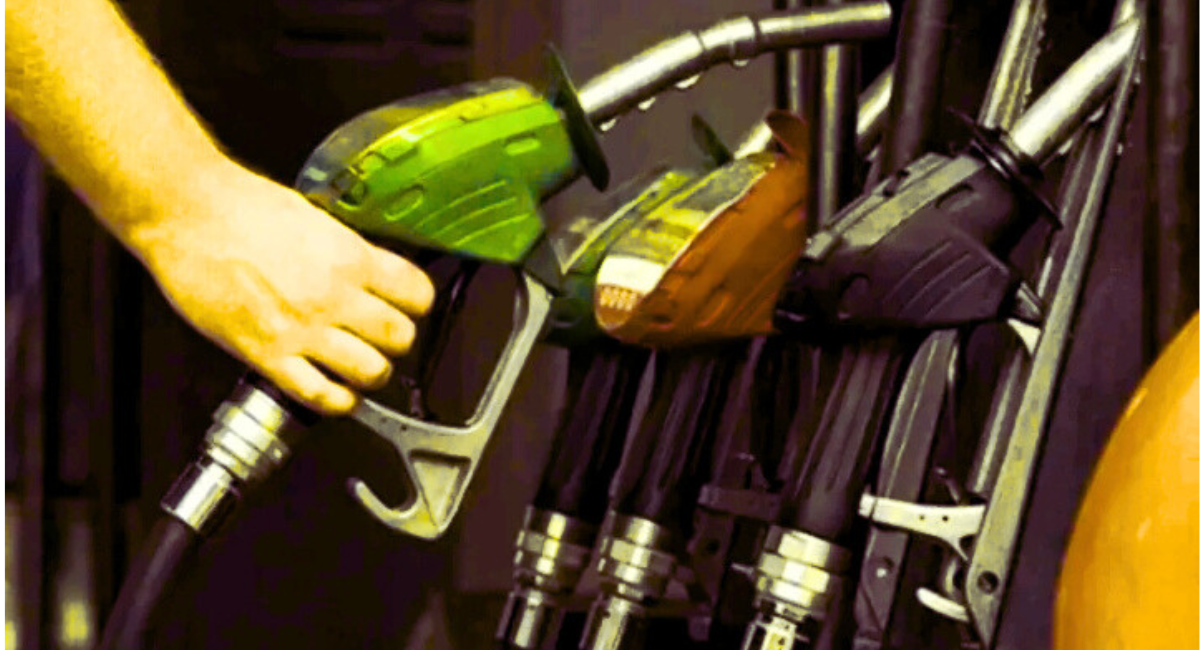
The Fuel Price Hike in Pakistan has triggered serious debate among lawmakers and the public. Rising petroleum costs are increasing pressure on household budgets and creating questions about economic policy.
Table of Contents
Fuel Price Hike in Pakistan Faces Senate Scrutiny
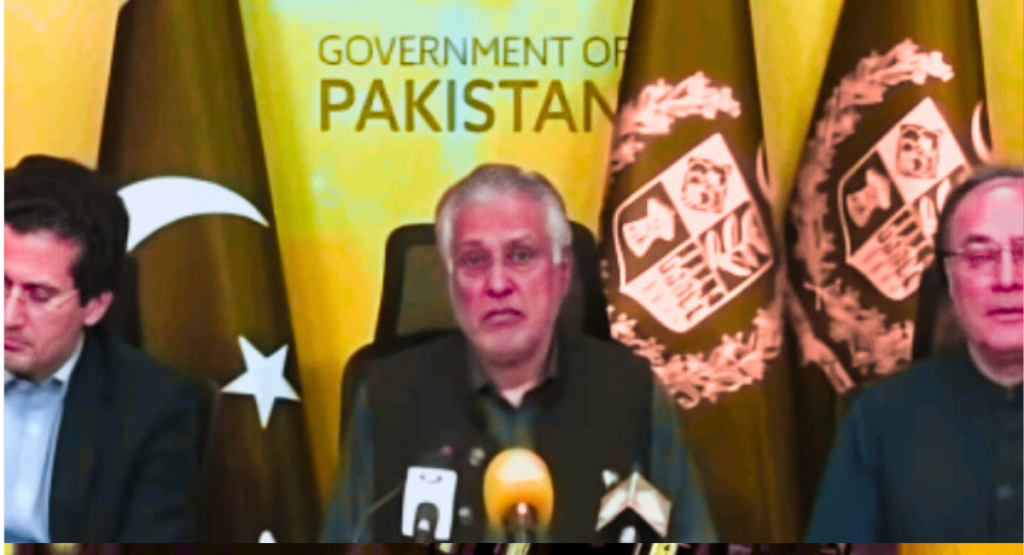
Pakistan’s recent increase in petroleum prices has come under strong criticism from lawmakers. Members of the Senate Standing Committee questioned officials from the Oil and Gas Regulatory Authority about the justification behind the sudden rise in fuel rates.
The meeting, held in Karachi, focused on how the new pricing structure could affect ordinary citizens who are already struggling with inflation and economic uncertainty.
Lawmakers Question Assumption-Based Price Increase
During the discussion, several senators argued that the decision appeared to be based on assumptions rather than clear economic indicators. They demanded a transparent explanation of how the new rates were calculated.
Committee members asked whether detailed analysis was conducted before implementing the price adjustment.
Comparison With Regional Countries Raised
Senators also raised an important question. They asked whether neighboring countries had adopted similar measures.
According to the discussion, lawmakers claimed that no country in the region had increased petroleum prices by nearly twenty percent in such a short period. This comparison intensified concerns about the policy decision.
Public Burden Becomes Major Concern
Many committee members emphasized the social impact of rising fuel costs. Higher petrol prices often lead to increased transportation expenses, which eventually raise the cost of food, goods, and services.
Lawmakers warned that the financial pressure on citizens could become severe if such increases continue without relief measures.
OGRA Explains Its Role in Pricing
Officials from the Oil and Gas Regulatory Authority clarified that the authority does not directly set petroleum prices. Instead, it provides recommendations to the federal government based on market conditions and supply factors.
They explained that the final decision is taken at the government level.
Regional Tensions Influencing Energy Markets
According to the regulator, the recent increase is partly linked to geopolitical developments, particularly the ongoing tensions involving Iran.
Energy markets often react quickly to regional instability, causing fluctuations in oil prices that affect importing countries like Pakistan.
Fuel Supply Situation in Pakistan
Officials also reassured the committee about fuel availability. They stated that diesel and oil reserves in the country are currently sufficient and expected to last until the end of March.
The government is also working with industry stakeholders to maintain stable supply chains.
Oil Marketing Companies and Operational Authority
Another issue discussed during the meeting involved operational decisions made by oil marketing companies. OGRA representatives explained that the regulator does not directly manage the day-to-day operations of these companies.
Because of this limitation, the authority cannot intervene in certain internal decisions made by private fuel distributors.
Infrastructure Projects Also Reviewed
Beyond petroleum pricing, the committee also reviewed progress on major infrastructure initiatives in Karachi.
Officials from National Engineering Services Pakistan briefed members about the K IV water supply project and the Karachi Red Line transport corridor. The combined development plan is estimated to cost around 80 billion rupees.
Committee members expressed concern about planning gaps and possible delays.
Demand for Transparency and Policy Review
By the end of the meeting, senators emphasized the need for clear communication with the public. They urged authorities to explain the economic reasoning behind fuel price changes.
Lawmakers also suggested that the government should carefully review its strategy to protect citizens from sudden financial shocks.
Conclusion
Pakistan’s rising petroleum prices have become a major political and economic issue. Lawmakers are demanding transparency, while regulators argue that global developments and market pressures are driving the changes.
Frequently Asked Questions (FAQs)
1. Fuel Price Hike in Pakistan kyun hua?
Petroleum rates mein izafa zyada tar global oil market ke utar chadhav aur regional tensions ki wajah se hua. Officials ke mutabiq energy market par Iran se juri situation ka bhi asar pada.
2. Pakistan mein petrol prices ka faisla kaun karta hai?
Petrol pricing ka final decision federal government leti hai. Oil and Gas Regulatory Authority market data aur supply factors ke base par recommendations deti hai.
3. Kya gas prices bhi barh sakte hain?
Senate meeting mein ye sawal bhi uthaya gaya tha. Abhi koi final decision announce nahi hua, lekin lawmakers ne potential increase par concern express kiya.
4. Kya Pakistan mein fuel shortage ka khatra hai?
Officials ne committee ko bataya ke diesel aur oil ke stocks filhal stable hain aur supply system ko maintain karne ke liye stakeholders ke sath coordination chal raha hai.
5. Senate committee ne fuel price increase par kya reaction diya?
5. Senate committee ne fuel price increase par kya reaction diya?
Committee members ne is step ko public ke liye additional financial burden qarar diya aur hukumat se detailed explanation aur policy review ka mutalba kiya.

I am the founder and writer at Duniya Time.com, a news website focused on national and international news, social issues, and history. With a background in Islamic History, I write research-based articles in a clear and honest style. My goal is to share accurate information, thoughtful analysis, and meaningful stories that help readers stay informed and understand the world better.