The Iran Israel Conflict 2026 has escalated suddenly, disrupting fragile peace efforts. Just as diplomacy was gaining momentum, fresh strikes pushed the region back into tension and uncertainty.
Table of Contents
Iran Israel Conflict 2026 shakes fragile peace efforts
The Iran Israel Conflict 2026 has suddenly intensified, disrupting fragile diplomacy. Just when talks seemed possible, fresh strikes pushed the region back into tension, raising fears of wider instability.
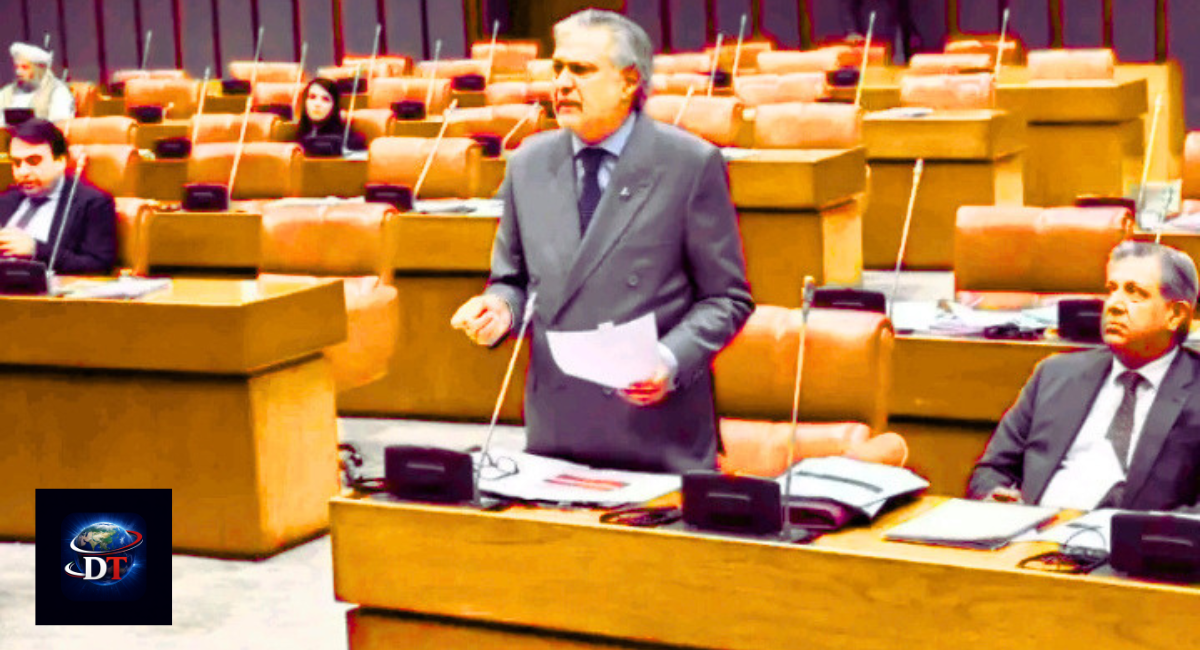
In recent developments, Ishaq Dar expressed serious concern that Israeli strikes on Iran triggered a chain reaction, damaging ongoing negotiations. According to him, both Washington and Tehran were close to formal talks before violence erupted again. This sudden shift not only halted progress but also increased the risk of a broader regional conflict.
Diplomatic momentum lost at a critical moment
Before the escalation, there were strong signs of progress. Backchannel diplomacy had created a foundation where both sides showed willingness to negotiate. Pakistan quietly played a role in connecting key players and reducing misunderstandings.
However, the latest developments disrupted this delicate balance. Military strikes often shift political priorities, making compromise politically risky. Leaders under pressure tend to adopt tougher positions, which further complicates dialogue.
This loss of momentum shows how fragile diplomacy can be when external actions interfere at the wrong time.
Israeli strikes trigger regional escalation
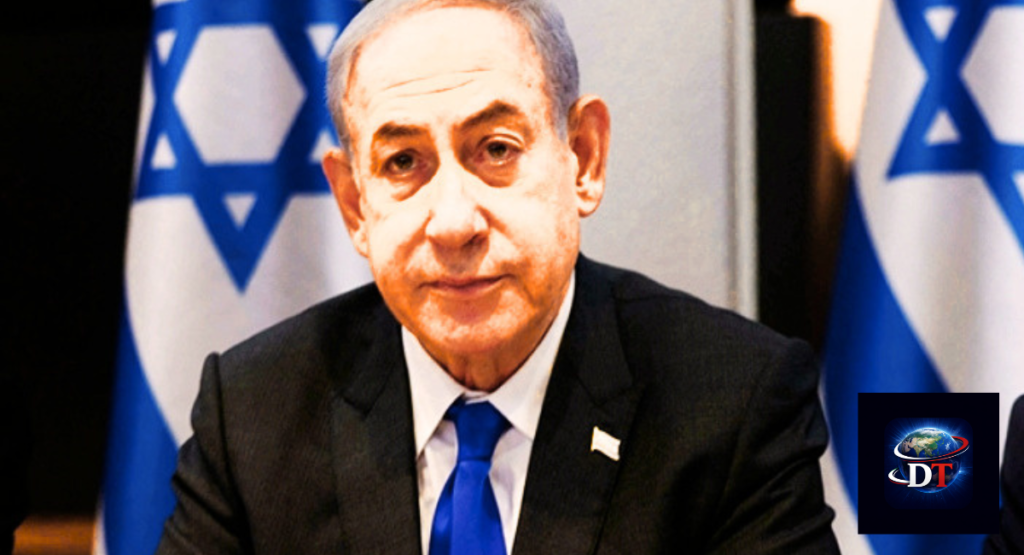
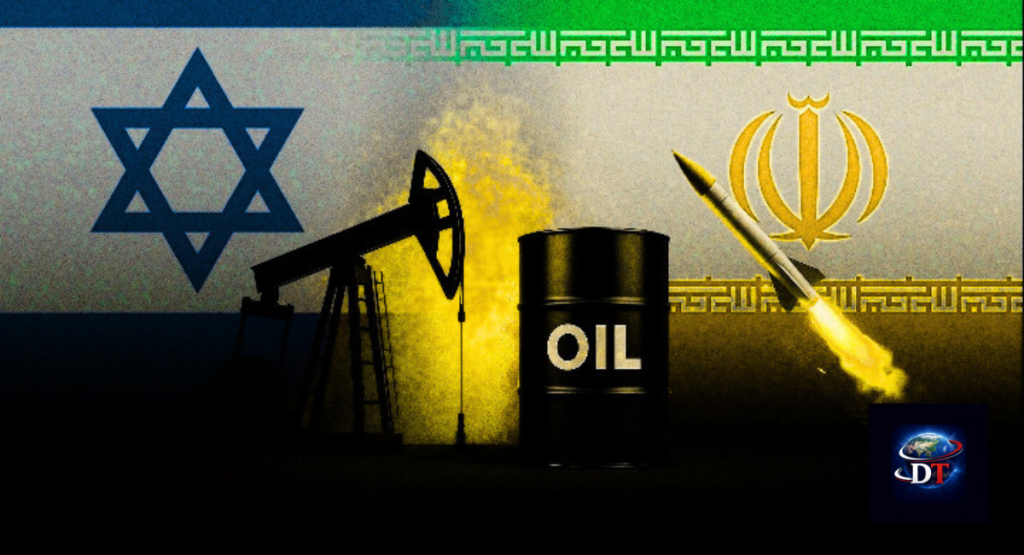
The crisis intensified when Israel launched strikes targeting Iranian petrochemical facilities. These attacks were seen as a direct challenge to Iran’s economic infrastructure.
In response, Iran reportedly targeted oil installations in Saudi Arabia’s industrial hub of Jubail. This retaliation expanded the conflict beyond two countries, pulling in regional economic interests.
Such actions increase the risk of miscalculation. When multiple countries become involved, even limited strikes can spiral into wider confrontation.
Pakistan’s mediation role under pressure
Pakistan positioned itself as a neutral facilitator, using its relationships with both Iran and the United States. Officials worked to bridge communication gaps and encourage dialogue.
Pakistan’s leadership, including Shehbaz Sharif and Asim Munir, reportedly engaged in active diplomatic outreach. Their efforts focused on de-escalation and preventing further military actions.
Despite these attempts, the sudden escalation made mediation more difficult. Trust between the involved parties weakened, limiting the effectiveness of diplomatic channels.
US Iran negotiations faced sudden disruption
The Iran Israel Conflict 2026 directly impacted ongoing communication between United States and Iran. Washington had reportedly shared a structured proposal aimed at reducing hostilities.
Iran responded with its own framework, indicating a willingness to engage. This exchange suggested that both sides were exploring realistic pathways to reduce tensions.
However, once conflict intensified, negotiations lost priority. Security concerns replaced diplomatic engagement, delaying any meaningful progress.
Economic risks grow across the region
One of the most concerning aspects of the Iran Israel Conflict 2026 is its economic impact. Attacks on oil infrastructure create immediate risks for global energy markets.
The Middle East plays a central role in global oil supply. Disruptions in this region often lead to price volatility, affecting countries far beyond the conflict zone.
For developing economies, including Pakistan, rising energy costs can increase inflation and strain public finances. This adds another layer of urgency to resolving the crisis.
International response and global concern
The global community has closely monitored the Iran Israel Conflict 2026, with many countries urging restraint. International organizations have emphasized the need to avoid further escalation.
Diplomatic voices across Europe and Asia have called for renewed dialogue. The United Nations has also acknowledged mediation efforts and encouraged peaceful solutions.
Despite these calls, achieving consensus remains challenging. Different countries have varying strategic interests, which complicates unified action.
Why timing played a crucial role
Timing often determines whether diplomacy succeeds or fails. In this case, negotiations were reportedly close to starting when violence broke out.
The Iran Israel Conflict 2026 demonstrates how even a single event can derail months of preparation. When tensions are high, the margin for error becomes extremely small.
This situation highlights the importance of coordinated actions and restraint, especially during sensitive diplomatic phases.
Future of peace talks remains uncertain
The path forward is unclear. While communication channels may still exist, rebuilding trust will take time.
Leaders will need to reassess their strategies and find ways to re-engage without appearing weak domestically. This balancing act is one of the biggest challenges in international diplomacy.
If tensions continue, the chances of meaningful negotiations could decrease further, prolonging instability.
Lessons for global diplomacy
The Iran Israel Conflict 2026 offers several important lessons. First, peace processes require consistent support and protection from sudden disruptions.
Second, regional conflicts often have global consequences, especially when economic interests are involved. Finally, neutral mediators play a critical role but need stable conditions to succeed.
Understanding these lessons can help policymakers avoid similar setbacks in future negotiations.
Conclusion
The Iran Israel Conflict 2026 shows how quickly peace efforts can collapse. Without trust, restraint, and serious dialogue, tensions may rise further, making long term stability harder to achieve.
FAQ (Frequently Asked Questions)
What is Iran Israel Conflict 2026?
Iran Israel Conflict 2026 refers to the recent escalation between Iran and Israel that disrupted ongoing diplomatic efforts and increased tensions across the Middle East.
Why did peace talks fail in Iran Israel Conflict 2026?
Peace talks were affected after sudden military strikes created instability and reduced trust between the involved countries.
What role did Pakistan play in Iran Israel Conflict 2026?
Pakistan acted as a mediator, trying to bring the United States and Iran to the negotiating table and reduce tensions.
How does Iran Israel Conflict 2026 affect global economy?
The conflict impacts oil supply routes, increases energy prices, and creates uncertainty in global markets.
What triggered the recent escalation?
Israeli strikes on Iranian facilities and Iran’s response targeting regional infrastructure led to increased tensions.
Is there still a chance for peace talks?
Yes, but rebuilding trust will take time as tensions remain high and diplomatic efforts face challenges.
Why is this conflict important globally?
Because it involves key regions for energy supply and major global powers, making its impact worldwide.

I am the founder and writer at Duniya Time.com, a news website focused on national and international news, social issues, and history. With a background in Islamic History, I write research-based articles in a clear and honest style. My goal is to share accurate information, thoughtful analysis, and meaningful stories that help readers stay informed and understand the world better.