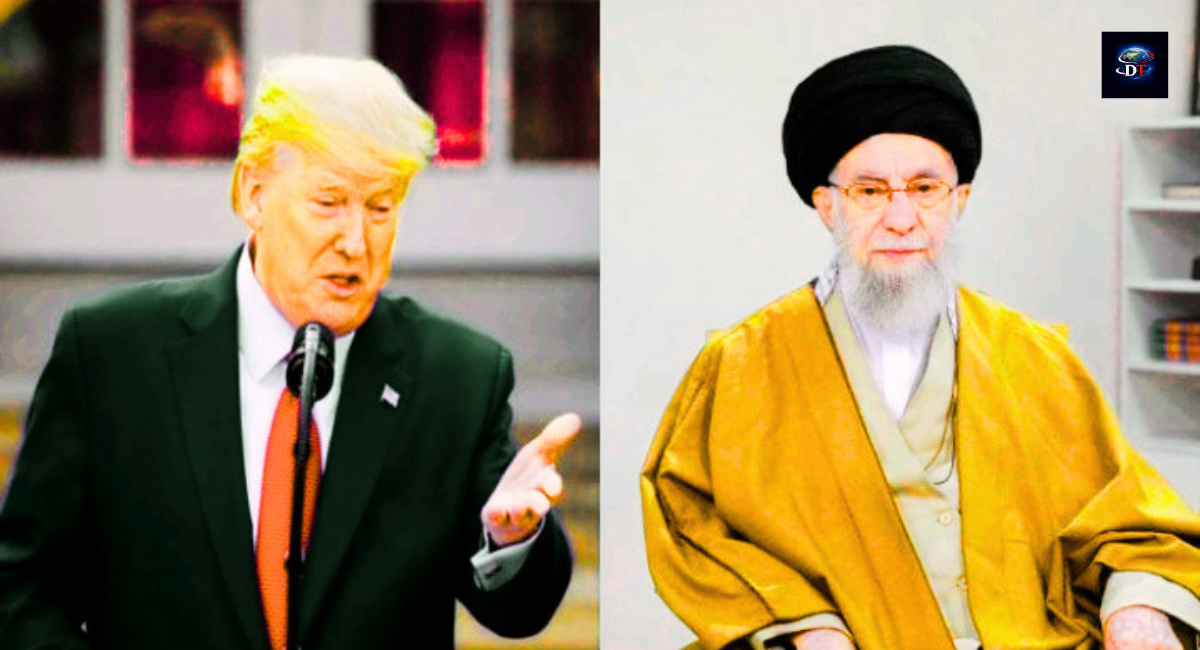
The Iran rejects Trump talks narrative is shaping the global conversation right now. Tensions are rising fast, and the conflict is no longer limited to borders.
Airstrikes, political statements, and economic shocks are all happening at once, creating a serious global situation that demands attention.
The ongoing war between Iran and Israel has entered a dangerous phase. Claims by Donald Trump about possible negotiations were quickly dismissed by Tehran. This rejection has added more uncertainty to an already unstable region.
Table of Contents
Iran Rejects Trump Talks Claim
The main headline of the crisis is clear. Iran has firmly denied any negotiations with the United States. Officials stated that Washington is “negotiating with itself,” showing complete distrust.
Iran’s military spokesperson openly criticized Trump’s statement. The message was direct and strong. According to Tehran, there is no space for dialogue under current conditions.
War Enters a Critical Phase
The conflict is now in its fourth week. Continuous airstrikes have increased pressure on both sides. Cities are facing damage, and civilians are suffering.
Israeli forces launched attacks across Tehran, while Iran responded with missile strikes on Israeli cities. The situation shows no sign of slowing down.
Rising Role of Regional Targets
The war is no longer limited to Iran and Israel. Several countries in the Gulf region are feeling the impact.
Drone attacks have targeted locations in Kuwait and Saudi Arabia. Fuel infrastructure and airports have been affected. This expansion raises fears of a wider regional conflict.
US Peace Plan and Iran’s Response
Reports suggest the United States shared a 15-point peace plan with Iran. The proposal included major conditions like limiting Iran’s nuclear program and reducing support for allied groups.
However, Iran has not accepted these terms. Instead, it rejected the plan outright, signaling that pressure tactics are not working.
Strait of Hormuz Crisis Deepens
One of the biggest concerns is the situation in the Strait of Hormuz. This route carries nearly 20 percent of the world’s oil supply.
Iran has tightened control over the passage. While it allowed “non-hostile” ships, uncertainty remains. This has disrupted global shipping and energy markets.
Global Oil Market Under Pressure
The conflict has triggered one of the worst energy shocks in recent history. Oil prices surged before stabilizing slightly due to hopes of a ceasefire.
Countries in Asia are facing fuel shortages. Governments are taking emergency steps like reducing work hours and limiting energy use.
Military Buildup Increases Tension
Despite talk of diplomacy, military activity is rising. The United States is preparing to send more troops to the region.
This includes elite forces, adding to the already large presence. Many analysts believe this could lead to a longer and more dangerous conflict.
Nuclear Facilities Become Key Targets
Sensitive locations have also come under attack. Iran claims strikes on its nuclear sites were answered by targeting Israeli facilities.
This raises serious concerns about escalation. Any damage to nuclear infrastructure can have long-term global consequences.
Pakistan Offers Mediation Role
Amid rising tensions, Shehbaz Sharif offered to host talks between the USand Iran.
Pakistan has strong ties with both sides. This move shows an effort to reduce conflict through diplomacy, even as the situation remains tense.
Economic Impact Across the World
The war is not just military. It is affecting global markets, trade routes, and daily life.
Stock markets reacted quickly to news of possible talks. Airlines are facing disruptions due to fuel shortages. Inflation fears are rising in many countries.
Conclusion
The Iran rejects Trump talks situation highlights how fragile global peace has become. Military action continues while diplomacy struggles to find space.
Unless serious dialogue begins, this conflict could expand further, affecting not just the region but the entire world.
Frequently Asked Questions
1. What does Iran rejects Trump talks mean?
It means Iran has clearly denied any negotiations with the United States and rejected claims made by Donald Trump about ongoing talks.
2. Why is the Iran Israel conflict escalating?
The conflict is growing due to continuous airstrikes, political tension, and failed diplomatic efforts between both sides.
3. What is the US 15 point plan about?
The plan reportedly includes limits on Iran’s nuclear program, stopping support for allied groups, and reopening key trade routes.
4. Why is the Strait of Hormuz important?
The Strait of Hormuz is a key oil route. Around 20 percent of global oil supply passes through it, so any disruption affects the whole world.
4. How is this conflict affecting global economy?
It is causing rising fuel prices, market instability, and supply chain disruptions, especially in energy dependent countries.
5. Is there any chance of peace talks?
Right now chances look low because Iran has rejected negotiations, but international mediation efforts are still ongoing.

I am the founder and writer at Duniya Time.com, a news website focused on national and international news, social issues, and history. With a background in Islamic History, I write research-based articles in a clear and honest style. My goal is to share accurate information, thoughtful analysis, and meaningful stories that help readers stay informed and understand the world better.