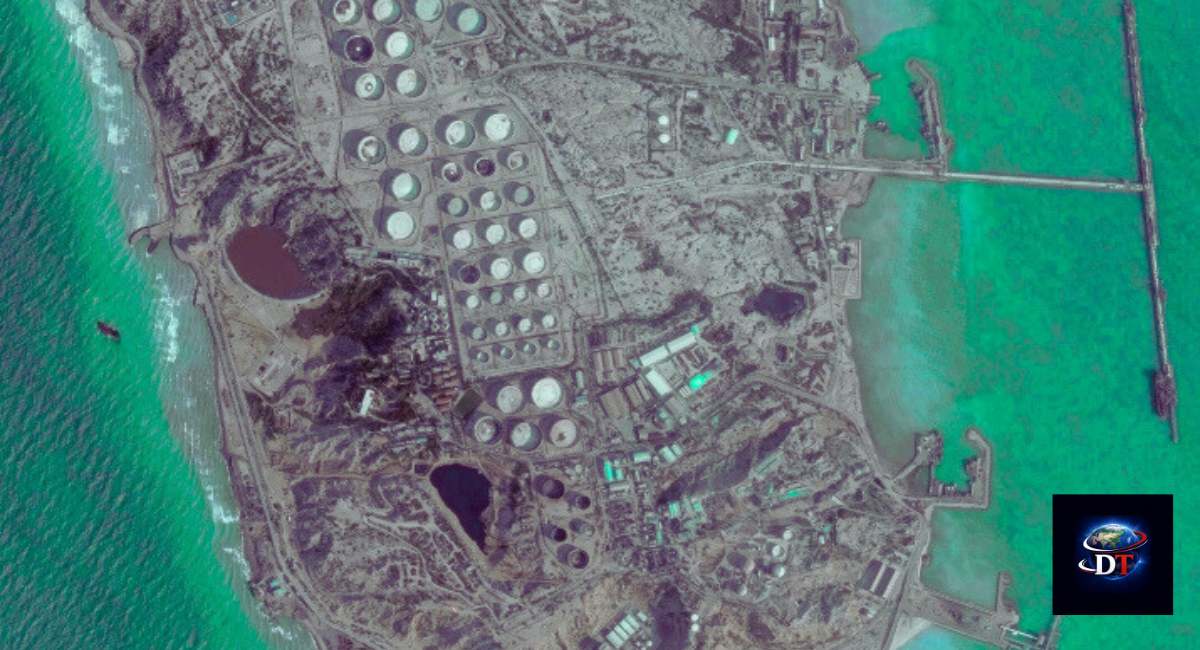
The Iran US Middle East War is entering a dangerous phase as tensions rise across the region. Military strikes, threats against oil infrastructure, and attacks on diplomatic sites are pushing the conflict beyond borders. Recent developments involving the United States, Israel, and Iran show how quickly the crisis is spreading.In the latest escalation, Donald Trump confirmed US strikes on Iran’s strategic oil hub on Kharg Island. Iran responded with warnings of retaliation against energy facilities linked to the United States. The situation now threatens global oil supplies and regional stability.
Table of Contents
Kharg Island Strike Intensifies the Conflict
Kharg Island Strike Intensifies the Conflict
The conflict escalated when the United States targeted military locations on Kharg Island. The island is a vital oil export terminal for Iran, handling nearly 90 percent of the country’s oil shipments.
According to US officials, the strikes were aimed at military facilities rather than energy infrastructure. However, the attack has increased fears that the war could disrupt global energy markets if oil facilities become targets.
Iran Warns of Retaliation
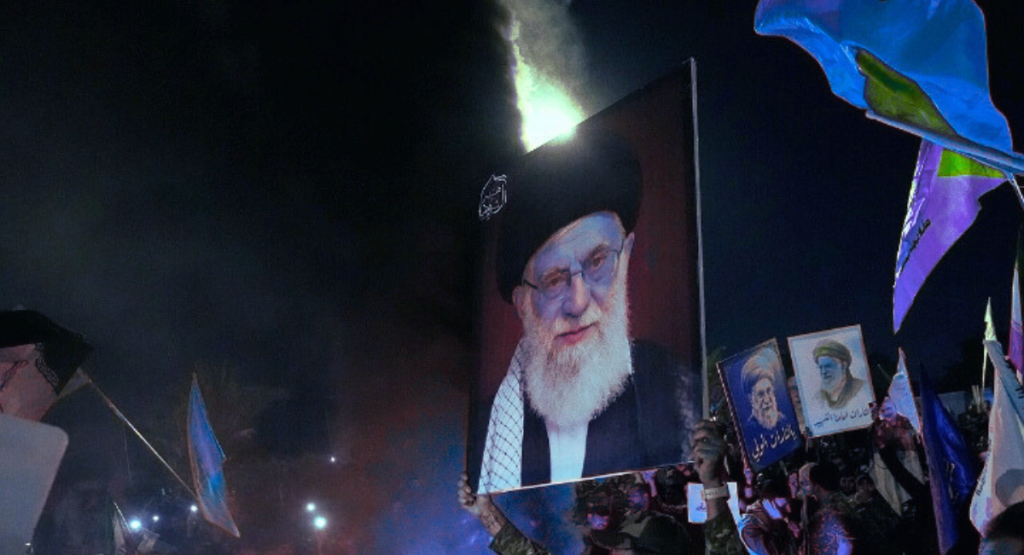
Following the attack, Iran’s armed forces issued a strong warning. Officials stated that any damage to Iranian oil infrastructure would lead to immediate retaliation against companies cooperating with the United States.
This threat signals that the Iran US middle East War could extend into economic warfare, especially through energy routes and oil infrastructure across the Gulf region.
Rising Violence Across the Middle East
The conflict is no longer limited to Iran and the United States. Military actions are spreading across multiple countries in the region.Airstrikes and clashes linked to the conflict have been reported in Lebanon and Iraq. In Lebanon, Israeli strikes reportedly hit a healthcare facility, causing casualties among medical workers. These developments highlight the growing humanitarian impact of the war.
Missile Strike Hits US Embassy Area
Another alarming development occurred in Baghdad where a missile struck a helipad inside the US Embassy compound. Security sources believe the attack may have been carried out by groups aligned with Iran.The embassy has previously warned that American facilities and interests in the region could be targeted during the conflict.
Israel Issues Evacuation Warning in Iran
Military tensions further increased when Israel warned civilians to evacuate an industrial area in the Iranian city of Tabriz.The warning suggested possible military operations in the area. Such actions indicate that the war is expanding beyond direct clashes and may involve strategic industrial and military targets.
Oil Markets Feel Immediate Impact
Energy markets around the world are reacting quickly to the crisis. Concerns about shipping routes in the Strait of Hormuz have pushed oil prices higher.The waterway is one of the most important oil transport routes in the world. Any disruption there could affect fuel prices globally and increase economic pressure on many countries.
United States Deploys Additional Military Forces
To strengthen its position, the United States has begun sending more naval forces and Marines to the Middle East. Military officials say the deployment is meant to protect shipping routes and US interests in the region.Analysts believe this move signals that the conflict could last longer than initially expected.
Humanitarian Concerns Continue to Grow
International organizations are warning about the humanitarian consequences of the war. Supply routes for food and medicine may become more difficult if fighting continues near key shipping lanes.Aid groups have called for safe passage for humanitarian shipments so civilians across the region can receive essential supplies.
Risk of a Wider Regional War
Experts warn that the situation could evolve into a broader regional conflict. Multiple armed groups and countries are already involved directly or indirectly.If tensions continue rising, the Iran US Middle East War could reshape political alliances and security conditions across the Middle East.
conclusion
The current escalation shows how fragile the Middle East security situation has become. Military strikes, political threats, and attacks across several countries indicate the conflict is spreading rapidly. If diplomatic efforts fail, the Iran US Middle East War may lead to a larger regional crisis affecting global politics, energy markets, and civilian lives.
Frequently Asked Questions
1. What is the Iran US Middle East War?
The Iran US Middle East War refers to the growing military conflict involving the United States, Iran, and their allies in the Middle East. The situation includes airstrikes, missile attacks, and rising tensions across several countries.
2. Why did the US strike Kharg Island?
The United States targeted military sites on Kharg Island, which is an important oil export hub of Iran. Officials said the strike focused on military facilities, not oil infrastructure.
3. How has Iran responded to the attack?
Iran warned that if its energy facilities are attacked, it may destroy oil infrastructure connected to the United States or its partners in the region.
4. Why is the Strait of Hormuz important in this conflict?
The Strait of Hormuz is one of the world’s most important oil shipping routes. Any conflict in this area can disrupt global oil supplies and increase fuel prices worldwide.
5. Which countries are affected by the conflict?
The conflict is affecting several countries including Iran, Israel, Iraq, and Lebanon. Military actions and security threats have been reported across these regions.
6. Could the conflict turn into a larger regional war?
Many experts believhttps://duniyatime.com/the-us-israel-iran-war-escalates-after-plane-crash-in-iraq/https://duniyatime.com/trump-spain-uk-iran-war-trade-tensions/https://duniyatime.com/khamenei-assassination-escalates-iran-us-war/

I am the founder and writer at Duniya Time.com, a news website focused on national and international news, social issues, and history. With a background in Islamic History, I write research-based articles in a clear and honest style. My goal is to share accurate information, thoughtful analysis, and meaningful stories that help readers stay informed and understand the world better.