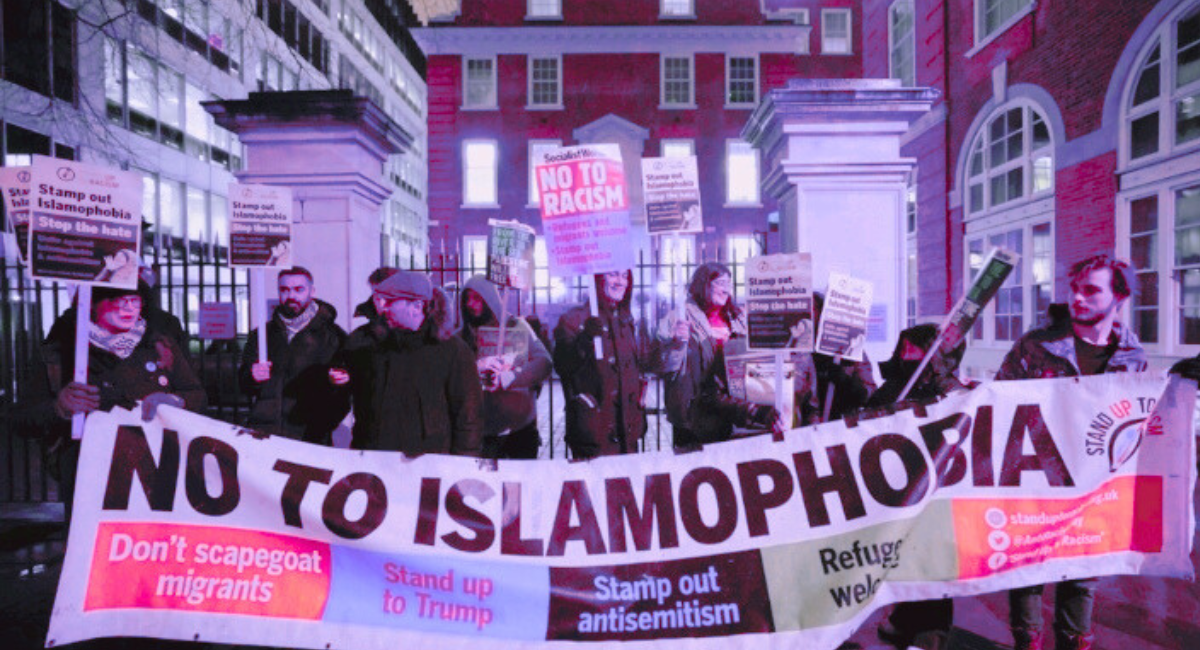
The issue of Islamophobia Threatens Peaceful Coexistence is becoming a serious global concern. Leaders in Pakistan have once again raised their voice about the rising hatred and discrimination against Muslims in many parts of the world. Speaking on the occasion of International Day to Combat Islamophobia, Senate Chairperson Yousaf Raza Gilani said that growing prejudice against Muslims is damaging social harmony and weakening peaceful relations between communities. He urged the international community to act responsibly and promote respect among religions and cultures.
Table of Contents
Islamophobia Is Growing in Many Societies
Across different countries, cases of hate speech and discrimination against Muslims are increasing. These incidents include attacks on mosques, negative stereotypes, and unfair treatment of Muslim communities. Experts believe that such actions create fear and mistrust in society. When people are targeted because of their faith, the basic values of equality and dignity are harmed.
Global Unity Is Needed to Stop Religious Hate
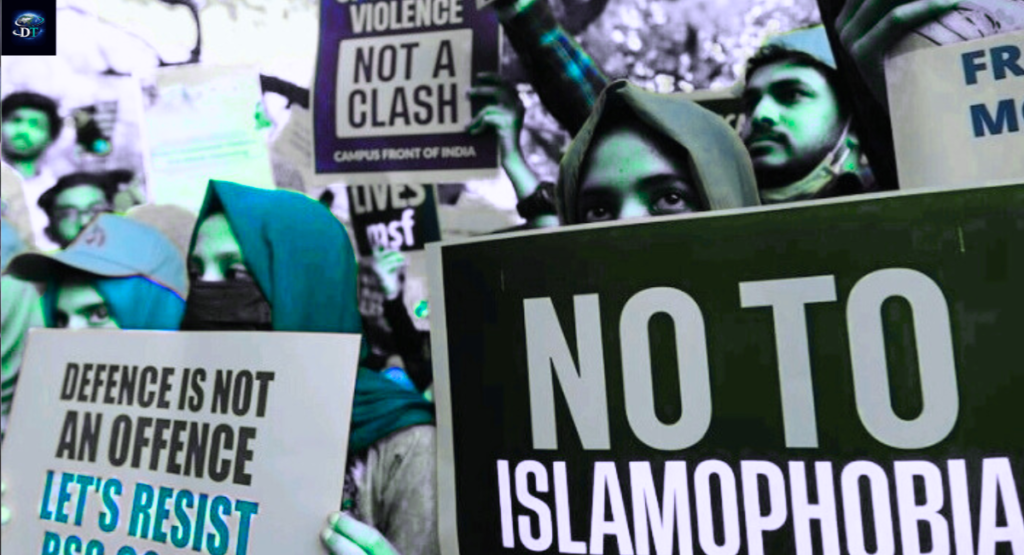
According to Yousaf Raza Gilani, tackling Islamophobia requires collective global efforts. Governments, civil society groups, and international organizations must work together to stop the spread of religious hatred. Cooperation among countries can help create laws and policies that protect minorities and encourage tolerance.
Importance of Peaceful Teachings of Islam
Islam teaches compassion, justice, and peace. Religious scholars often explain that linking Islam with violence is a misunderstanding of its true message. Leaders in Pakistan have repeatedly stated that Islam promotes harmony and kindness toward all people, regardless of their beliefs.
Role of International Law and Human Rights
The principles of equality and freedom of religion are protected under international law. The charter of the United Nations also highlights the importance of respecting human dignity. However, when Islamophobia spreads unchecked, these fundamental values are weakened. Many policymakers now believe stronger legal measures are required to address hate crimes.
Pakistan’s Position on Interfaith Harmony
Pakistan has consistently spoken about the need for dialogue among different religions. Officials say that peaceful coexistence is only possible when communities respect each other’s beliefs. The country has often raised the issue of Islamophobia on global platforms and encouraged discussions about religious tolerance.
Protecting Minority Rights Around the World
Another important point raised by Pakistani leaders is the protection of minority rights. True peace in society can only exist when every community feels safe and respected. Governments are encouraged to create policies that guarantee equal opportunities and prevent discrimination based on religion.
Impact of Islamophobia on Overseas Communities
Islamophobia also affects millions of Muslims living abroad, including overseas Pakistanis. Negative stereotypes can lead to social isolation, workplace discrimination, and even physical threats. Addressing these challenges requires awareness campaigns and legal protection in host countries.
Call for Strong Legal Measures
Federal Minister Khalid Hussain Magsi also emphasized the importance of strong action against hate crimes. He stated that governments should introduce effective laws to prevent discrimination and punish those responsible for spreading religious hatred. Legal steps can play a major role in building safer communities.
Promoting Understanding Between Cultures
Education and dialogue remain powerful tools in reducing prejudice. Schools, media, and community leaders can help people understand different cultures and religions. When individuals learn about each other’s beliefs, misunderstandings often decrease and mutual respect grows.
Conclusion
The message from Pakistani leaders is clear. Islamophobia is not only a problem for Muslims but a challenge to global peace and stability. When prejudice spreads, it damages trust between societies and threatens peaceful coexistence. By promoting tolerance, enforcing laws against hate crimes, and encouraging respectful dialogue, the international community can move toward a more inclusive and harmonious world.
FAQs (Frequently Asked Questions)
1. What does Islamophobia mean?
Islamophobia refers to fear, hatred, or prejudice against Muslims and Islam. It often leads to discrimination, negative stereotypes, and attacks on Muslim communities.
2. Why is Islamophobia considered a global issue?
Islamophobia affects millions of Muslims worldwide. It harms social harmony, increases hate crimes, and creates tension between different communities and cultures.
3. What did Yousaf Raza Gilani say about Islamophobia?
Pakistan’s Senate Chairman Yousaf Raza Gilani said Islamophobia threatens peaceful coexistence and called on the international community to take collective action against religious hatred.
4. How can countries reduce Islamophobia?
Governments can reduce Islamophobia through stronger laws against hate crimes, education promoting tolerance, and dialogue between different religions.
5. Why is interfaith harmony important?
Interfaith harmony helps build peaceful societies where people from different religions live together with respect, equality, and mutual understanding.

I am the founder and writer at Duniya Time.com, a news website focused on national and international news, social issues, and history. With a background in Islamic History, I write research-based articles in a clear and honest style. My goal is to share accurate information, thoughtful analysis, and meaningful stories that help readers stay informed and understand the world better.