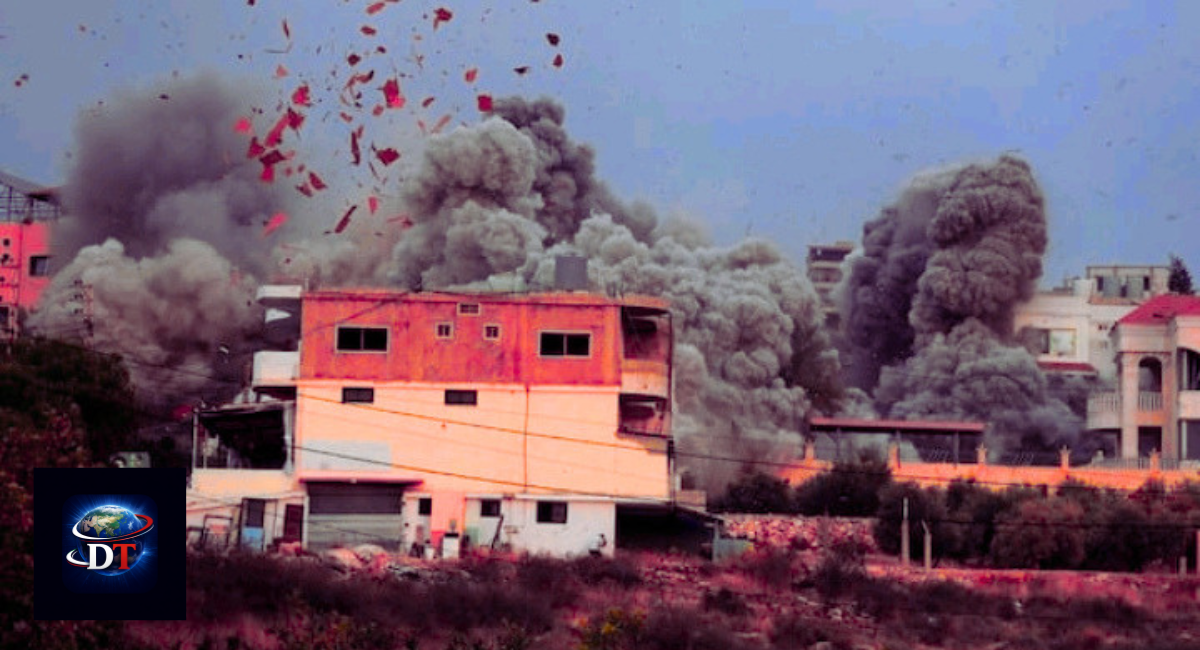
Israel Lebanon Attacks After Ceasefire have shaken fragile peace hopes. Within hours of a US-Iran truce, deadly strikes hit Lebanon, raising serious questions about regional stability.
Table of Contents
A ceasefire that failed to calm tensions
The announcement of a temporary ceasefire between the United States and Iran was expected to bring relief across the Middle East. Instead, the situation escalated sharply. Israel Lebanon Attacks After Ceasefire became the headline no one expected so soon.
Within hours, Israeli forces launched a massive wave of airstrikes across Lebanon. Areas including Beirut, the Bekaa Valley, and southern regions faced intense bombardment. The scale of destruction shocked observers and undermined hopes that diplomacy would slow down violence.
Rising casualties and humanitarian pressure
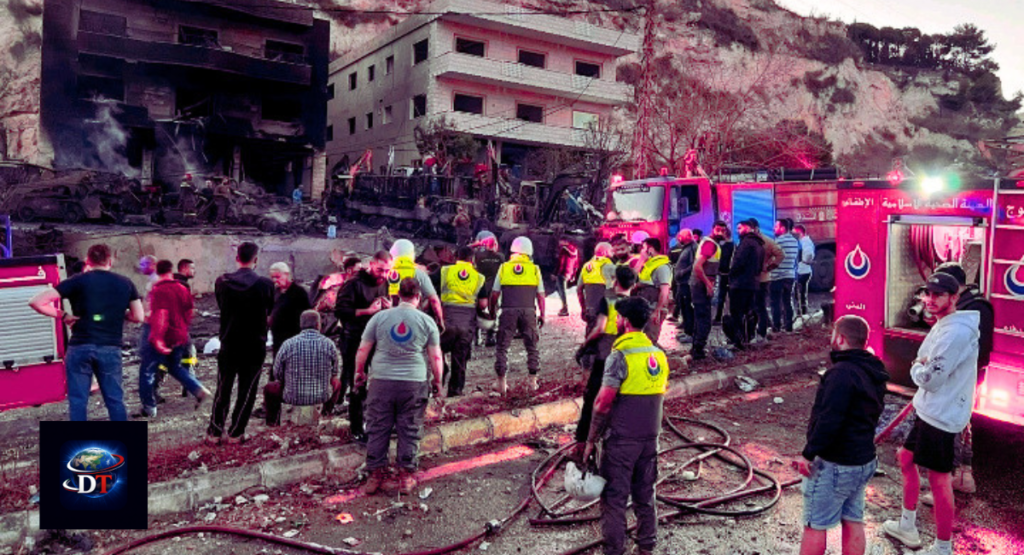
Lebanon’s Civil Defence reported hundreds of deaths and over a thousand injuries. Hospitals quickly became overwhelmed. Medical officials issued urgent calls for doctors and blood donations, highlighting the severity of the crisis.
The Israel Lebanon Attacks After Ceasefire have created a deep humanitarian emergency. Civilians in densely populated areas suffered the most, with homes, infrastructure, and essential services severely damaged.
The speed and intensity of the strikes left little time for evacuation, increasing the human cost.
Israel’s position on the strikes
Israeli leadership made it clear that Lebanon was not included in the US-Iran ceasefire agreement. Prime Minister Benjamin Netanyahu stated that military operations would continue against Hezbollah targets.
Defense officials described the strikes as a strategic move to weaken militant infrastructure. According to Israel, separating the Iran conflict from Lebanon operations was necessary to achieve long-term security goals.
This stance explains why Israel Lebanon Attacks After Ceasefire continued despite diplomatic efforts elsewhere.
Hezbollah signals possible retaliation
Hezbollah quickly responded with strong statements, asserting its right to defend Lebanon. The group warned that the attacks would not go unanswered.
This reaction adds another layer of risk. If retaliation begins, the Israel Lebanon Attacks After Ceasefire could trigger a wider conflict. Analysts fear a cycle of escalation that may spread beyond Lebanon’s borders.
The possibility of renewed confrontation keeps the region on edge.
Iran issues a direct warning
Iran’s response was equally sharp. Officials warned that continued aggression in Lebanon could provoke a broader reaction. Statements from Tehran suggested that the ceasefire depends on restraint across the region.
The Israel Lebanon Attacks After Ceasefire have therefore placed pressure on the fragile US-Iran agreement. If tensions rise further, the ceasefire itself could collapse.
Iran’s position reflects a larger concern that regional conflicts cannot be treated separately.
US stance creates confusion
US President Donald Trump stated that Lebanon was not part of the ceasefire deal. This position contrasts with claims from mediators who suggested a broader understanding.
Vice President JD Vance described the situation as a misunderstanding. However, the mixed messaging has created uncertainty.
The Israel Lebanon Attacks After Ceasefire highlight how unclear agreements can lead to serious consequences. Without clarity, each side interprets terms differently, increasing the risk of conflict.
Pakistan’s role as mediator
Pakistan played a key role in bringing the US and Iran to the negotiation table. Prime Minister Shehbaz Sharif was actively involved in diplomatic efforts.
However, differing interpretations of the agreement have complicated Pakistan’s role. While Islamabad aimed for a broader ceasefire, the reality on the ground tells a different story.
The situation shows how difficult mediation becomes when parties do not fully agree on terms.
Global condemnation grows stronger
Many countries and international organizations reacted strongly to the attacks. Nations across Europe and the Middle East condemned the strikes, calling them violations of international law.
The United Nations also expressed concern. Officials warned that the violence threatens fragile peace efforts and puts civilians at serious risk.
The Israel Lebanon Attacks After Ceasefire have become a global issue, not just a regional one. Calls for accountability and restraint are growing louder.
Impact on regional stability
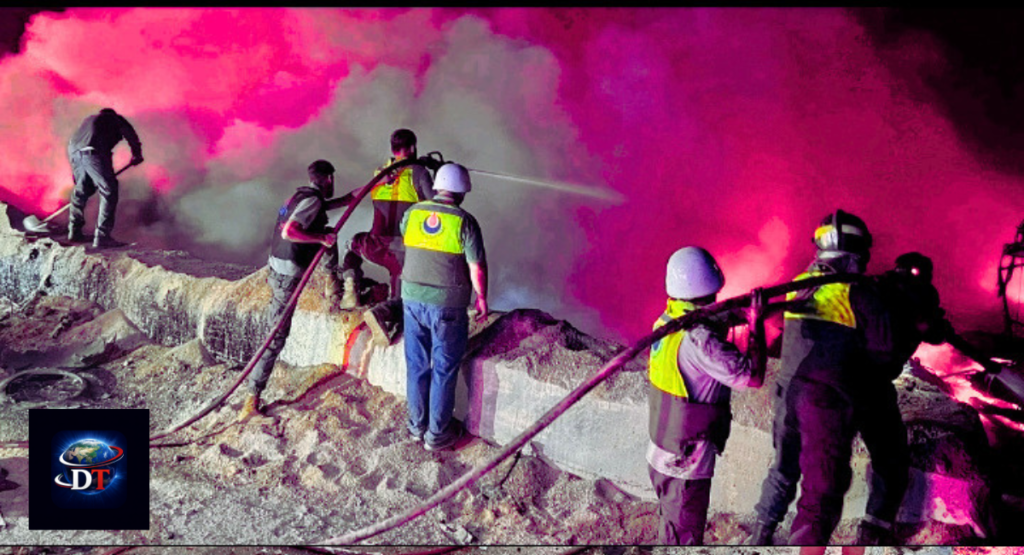
The Middle East remains highly sensitive to sudden changes. Events like these can quickly shift the balance.
The Israel Lebanon Attacks After Ceasefire risk dragging multiple countries into a broader conflict. Trade routes, energy supplies, and political alliances could all be affected.
Experts warn that even a small escalation could have global consequences. This is why many leaders are urging immediate de-escalation.
Diplomatic efforts under pressure
Diplomatic channels are still open, but under strain. The ceasefire between the US and Iran was seen as a rare opportunity for dialogue.
Now, the Israel Lebanon Attacks After Ceasefire threaten to derail those efforts. If trust breaks down, restarting negotiations will become much harder.
Countries like Qatar, Turkey, and Egypt are pushing for calm. However, their success depends on cooperation from all sides.
What comes next for the region
The situation remains uncertain. Several scenarios are possible. The conflict could escalate, remain contained, or return to negotiation.
The Israel Lebanon Attacks After Ceasefire will likely shape the next phase of regional politics. Leaders must decide whether to continue military actions or return to diplomacy.
For civilians, the priority remains safety and stability. For governments, the challenge is preventing further escalation.
Conclusion
Israel Lebanon Attacks After Ceasefire have exposed fragile diplomacy and rising risks. Without clear agreements and restraint, the region faces deeper instability and a dangerous path ahead.
FAQs (Frequently Asked Questions)
What is Israel Lebanon Attacks After Ceasefire?
It refers to Israeli airstrikes on Lebanon that happened shortly after a US-Iran ceasefire agreement, raising concerns about peace efforts.
Why did Israel attack Lebanon after the ceasefire?
Israel stated that Lebanon and Hezbollah were not part of the US-Iran ceasefire, so military operations continued separately.
How many people were affected in Lebanon?
Hundreds were killed and over a thousand injured, with major damage reported in cities like Beirut.
What is Hezbollah’s response to the attacks?
Hezbollah warned that it has the right to respond, increasing fears of further escalation.
How did the world react to these attacks?
Many countries and organizations, including the United Nations, strongly condemned the strikes and called for peace .

I am the founder and writer at Duniya Time.com, a news website focused on national and international news, social issues, and history. With a background in Islamic History, I write research-based articles in a clear and honest style. My goal is to share accurate information, thoughtful analysis, and meaningful stories that help readers stay informed and understand the world better.