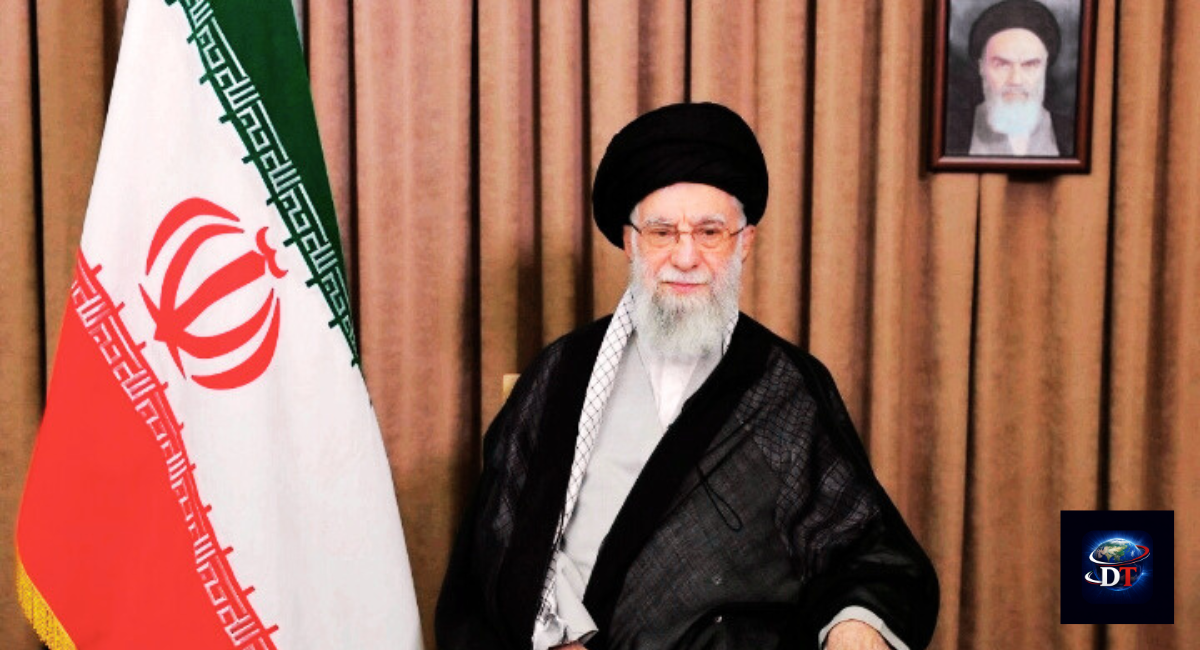
Khamenei’s assassination has pushed the Middle East to the edge of a major regional war. Iran confirmed the death of Supreme Leader Ayatollah Ali Khamenei in a joint US and Israeli airstrike, triggering nationwide mourning and immediate retaliation. The situation has shaken global markets, disrupted oil routes, and raised fears of a wider international conflict.
Khamenei Assassination Shocks Iran’s Power Structure
The killing of Ayatollah Ali Khamenei marks the most dramatic political development in Iran since 1989. As the country’s supreme leader for decades, he held ultimate authority over the military, judiciary, and key state institutions.Iran declared 40 days of national mourning following the attack.
Reports indicate that several senior officials were also killed, including top commanders of the Islamic Revolutionary Guard Corps. This leadership vacuum has created uncertainty about Iran’s immediate political future and internal stability.
Experts believe the assassination could reshape Iran’s decision-making process, but it may not automatically weaken the entrenched power of the Revolutionary Guards.
Iran–US-Israel Conflict Intensifies After Strike
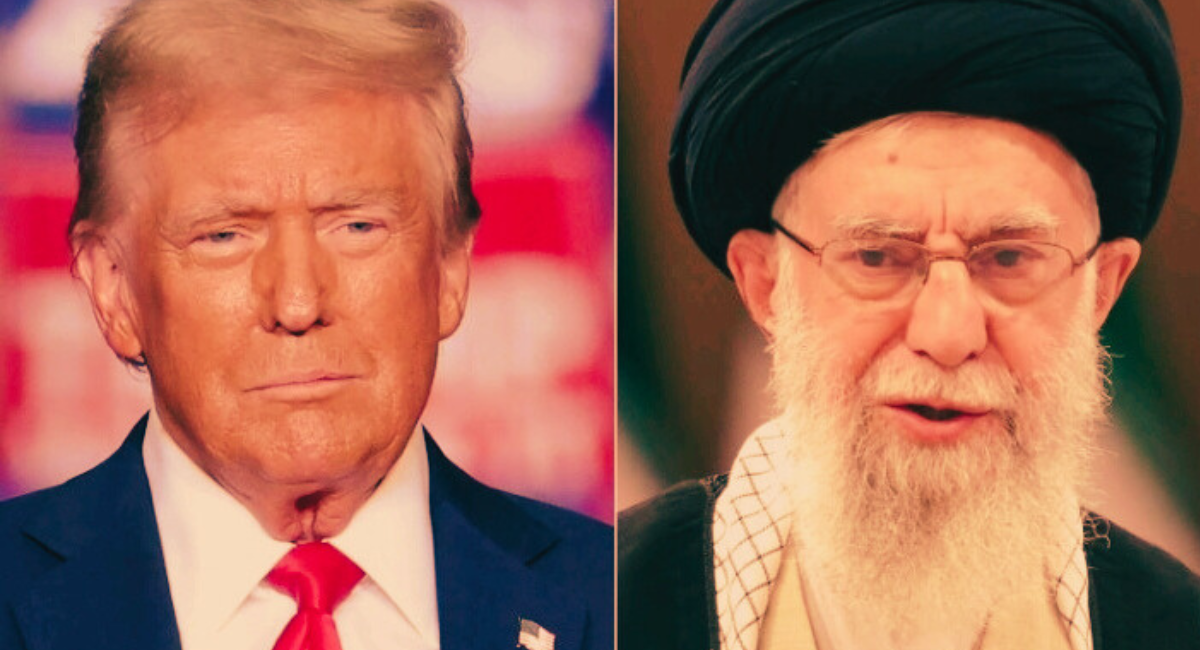
The Khamenei assassination has sharply escalated the Iran–US-Israel conflict. US President Donald Trump described the operation as part of a broader military campaign that could last weeks. American officials claimed strikes targeted missile facilities and naval assets.
Israeli Prime Minister Benjamin Netanyahu confirmed that Israeli forces expanded operations under a coordinated assault. Israeli military sources said dozens of high-ranking Iranian officials were eliminated in the strike campaign .
In response, Iran launched missile attacks on Israeli cities. Casualties were reported, and emergency services confirmed multiple deaths and injuries. The rapid exchange of fire has increased fears of a prolonged war.
Strait of Hormuz Crisis Disrupts Global Oil Supply
One of the most serious consequences of the Khamenei assassination crisis is the disruption in the Strait of Hormuz. The Islamic Revolutionary Guard Corps announced restrictions on the strategic waterway, which handles a large share of global oil shipments.
Shipping companies suspended operations in the region as tensions rose. Oil prices surged in international markets, reflecting concerns about supply shortages. Analysts warn that prolonged disruption could damage fragile global economic recovery.
Energy-dependent countries in Asia and Europe are closely monitoring the situation, as any extended blockade may lead to fuel price spikes worldwide.
Diplomatic Channels Still Open Amid Escalation
Despite intense military exchanges, diplomatic efforts have not completely collapsed. Oman has reportedly continued back channel communication between Tehran and Washington.
European leaders have called the Khamenei assassination a turning point in regional politics. Some see it as a moment that could either deepen conflict or open space for new negotiations.
Iranian officials insist their actions are defensive, while the US maintains its campaign is aimed at reducing security threats. The gap between both sides remains wide, but international mediators are pushing for de-escalation talks.
What Comes Next for the Middle East
The Khamenei assassination has created a fragile and unpredictable moment for the Middle East. With leadership losses in Tehran and rising military pressure, the region stands at a crossroads.
If diplomatic efforts fail, the conflict could expand beyond Iran and Israel, pulling in regional and global powers. However, sustained international pressure may still prevent a full scale war.
conclusion
The Khamenei assassination has transformed an already tense standoff into a dangerous confrontation with global consequences. Military escalation, economic disruption, and political uncertainty now define the crisis. Whether this moment leads to prolonged war or renewed diplomacy will shape the future of the Middle East and global stability.
FAQs – Khamenei Assassination Crisis
1. What happened in the Khamenei assassination?
Iran confirmed that Supreme Leader Ayatollah Ali Khamenei was killed in a joint US Israeli airstrike. The attack targeted senior leadership and key military sites in Tehran.
2. How did Iran respond to the assassination?
Iran launched missile strikes on Israeli cities and warned of further retaliation. The government also declared 40 days of national mourning.
3. Did the US officially confirm involvement?
US President Donald Trump stated that American forces targeted Iranian military facilities and naval assets as part of a wider campaign.
4. How has Israel reacted?
Israeli Prime Minister Benjamin Netanyahu confirmed expanded military operations, saying strikes would continue if necessary.
5. Why is the Strait of Hormuz important in this crisis?
The Strait of Hormuz is a critical oil shipping route. Any disruption affects global energy prices and international trade.
6. Could this conflict turn into a regional war?
Yes, experts warn that continued escalation could involve more regional and global powers if diplomacy fails.

I am the founder and writer at Duniya Time.com, a news website focused on national and international news, social issues, and history. With a background in Islamic History, I write research-based articles in a clear and honest style. My goal is to share accurate information, thoughtful analysis, and meaningful stories that help readers stay informed and understand the world better.