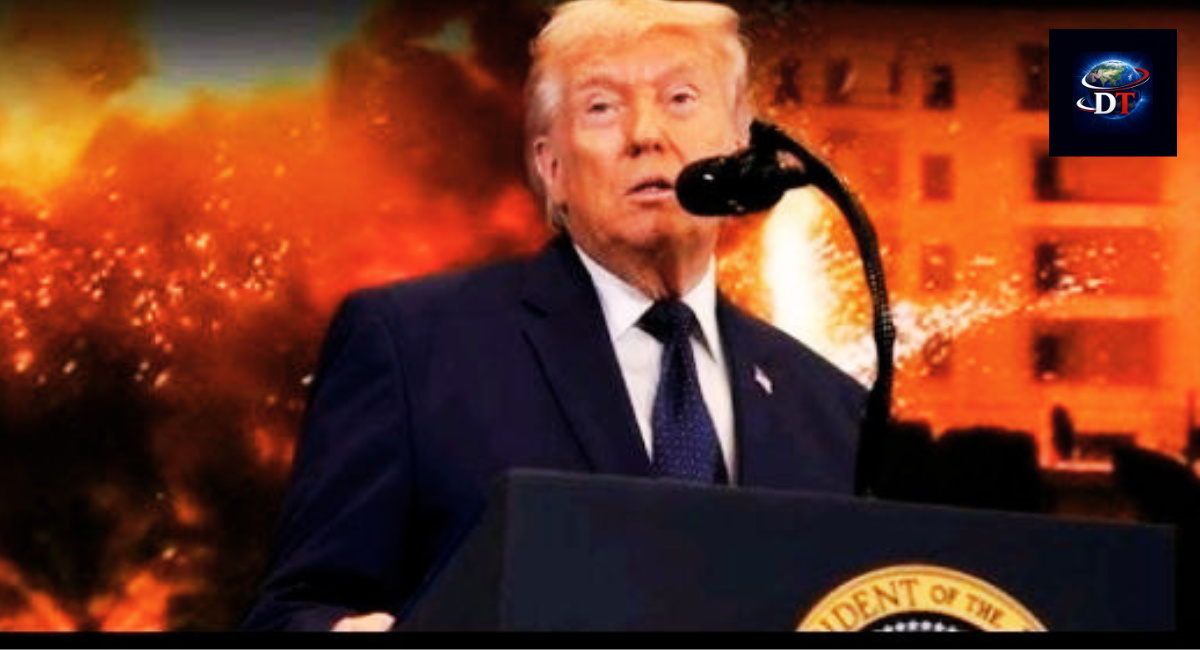
The Iran War NATO crisis is no longer a distant political debate. It is now shaping global alliances, raising serious questions about unity, trust, and the future of Western defense cooperation.
Table of Contents
Iran War, NATO Crisis and Growing Tensions
The Iran War NATO crisis has exposed deep cracks within the alliance. European countries are no longer fully aligned with U.S. military actions. This shift is creating tension that could reshape global power dynamics.
Why Europe Is Distancing Itself
Many European governments are choosing a cautious path. They fear economic damage, energy shortages, and political instability. The war is not seen as their fight, which adds pressure on leaders to stay neutral.
Public Opinion Is Driving Policy Changes
Across Europe, public opposition to the war is strong. Citizens are questioning involvement in conflicts that bring more risks than benefits. This growing pressure is forcing governments to rethink their strategic choices.
Energy Crisis and Economic Concerns
The Iran War NATO crisis is also about survival for many economies. Rising oil prices and disrupted supply chains are creating fear of recession. European nations are prioritizing stability over military alignment.
Disputes Over Military Bases
One major issue is the use of U.S. military bases in Europe. Some countries are now restricting access. They do not want to be seen as part of the conflict, which could make them targets.
Political Divisions Inside NATO
The alliance is facing internal disagreements like never before. Some members support the U.S., while others openly resist. This division weakens NATO’s overall strength and credibility.
Leadership Style and Diplomatic Fallout
The current leadership approach has added fuel to the fire. Harsh statements and lack of consultation have damaged trust. Allies expect coordination, not pressure or threats.
Historical Crises vs Current Situation
NATO has survived disagreements in the past. However, the Iran War NATO crisis feels different. Earlier conflicts did not directly threaten European economies or political stability at this level.
Impact on Future Security Strategies
Countries are now thinking independently about defense. The idea of relying fully on one partner is fading. Europe may move toward a more self-reliant security system.
Could NATO Actually Collapse?
The possibility is no longer unthinkable. If disagreements continue, the alliance could lose its purpose. Without unity, NATO risks becoming ineffective in global conflicts.
Conclusion
The Iran War NATO crisis is a turning point. It highlights changing priorities, rising independence, and weakening trust. The future of NATO depends on whether unity can be rebuilt or not.
Frequently Asked Questions
What is the Iran War NATO crisis?
It refers to growing tensions between NATO members due to differing views on the Iran conflict, affecting unity and cooperation.
Why are European countries distancing from the war?
European nations are concerned about economic risks, energy shortages, and public opposition, so they prefer a cautious approach.
How does the Iran conflict affect NATO?
The conflict is creating disagreements among members, weakening trust and making joint decisions harder.
Can NATO survive this crisis?
NATO can survive if members rebuild trust and improve coordination, but continued divisions may weaken the alliance.
Why is public opinion important in this situation?
Public pressure influences government decisions, especially in democratic countries where leaders respond to voter concerns.
What role do military bases play in this crisis?
Some countries are restricting the use of their bases to avoid being involved directly in the conflict.
Could this crisis impact global politics?
Yes, it may shift alliances, reshape defense strategies, and influence future international relations.

I am the founder and writer at Duniya Time.com, a news website focused on national and international news, social issues, and history. With a background in Islamic History, I write research-based articles in a clear and honest style. My goal is to share accurate information, thoughtful analysis, and meaningful stories that help readers stay informed and understand the world better.