Pakistan Afghanistan Talks have entered a critical phase as Islamabad presented firm demands during high-level discussions in Urumqi. These negotiations reflect rising security concerns and regional diplomatic pressure.
Table of Contents
Background of Urumqi Negotiations
The recent dialogue between Pakistan and Afghanistan did not happen overnight. It is part of a broader effort to stabilise a tense border situation that has affected both countries for years. The choice of Urumqi, a key city in China’s Xinjiang region, highlights Beijing’s growing involvement in regional peace efforts.
China has stepped in as a mediator, quietly facilitating talks between Islamabad and Kabul. This reflects its strategic interest in regional stability, especially due to concerns about militancy spilling over into its territory.
Pakistan Afghanistan Talks and Core Demands
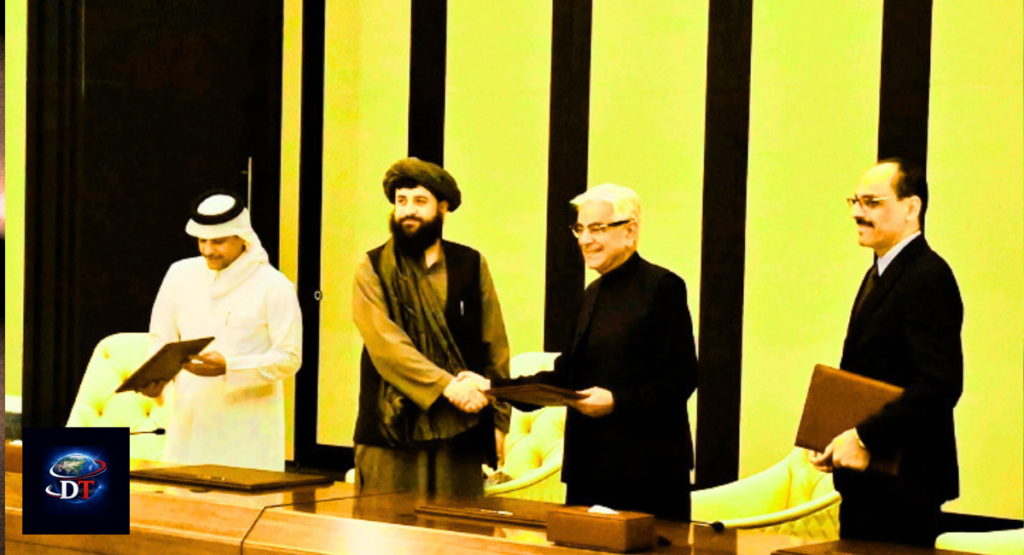
At the centre of Pakistan Afghanistan Talks are three clear and firm demands presented by Islamabad:
- Afghanistan must officially declare Tehreek-e-Taliban Pakistan a terrorist organisation.
- It must dismantle all operational and logistical networks linked to the group.
- It must provide verifiable proof of action taken.
These conditions are not symbolic. They represent Pakistan’s hardened stance after repeated security incidents linked to cross-border militant activity.
Security Concerns Driving Pakistan’s Position
Pakistan Afghanistan Talks are heavily influenced by ongoing security threats. Islamabad has consistently raised concerns about militant safe havens across the border. These concerns have intensified in recent months, pushing Pakistan to adopt a stricter negotiating posture.
Officials have made it clear that national security is non-negotiable. The focus remains on preventing cross-border attacks and ensuring long-term peace.
Limited Scope of Negotiations
One important aspect of Pakistan Afghanistan Talks is their limited scope. Pakistan has deliberately restricted discussions to counterterrorism and border security.
There is no broader political engagement at this stage. This shows Islamabad’s priority is immediate security rather than long-term political alignment. It also signals caution in dealing with the Afghan Taliban government.
China’s Role in Pakistan Afghanistan Talks
China’s involvement in Pakistan Afghanistan Talks is both strategic and significant. Acting as a mediator, Beijing has engaged in what diplomats call shuttle diplomacy.
Chinese envoy Yue Xiaoyong has been actively communicating with both sides to reduce tensions. China’s goal is clear. It wants a stable region that supports trade routes and limits extremist threats.
Proposed Five-Point Framework
Pakistan Afghanistan Talks are moving toward a possible agreement framework. Though not officially confirmed, sources suggest a five-point plan under discussion:
- Ceasefire arrangements
- Counterterrorism commitments
- Elimination of militant sanctuaries
- Secure trade route mechanisms
- Structured dialogue channels
This roadmap aims to create a balanced approach where both countries benefit from stability and cooperation.
Taliban’s Response and Willingness
Afghanistan’s stance in Pakistan Afghanistan Talks appears cautiously positive. Foreign Minister Amir Khan Muttaqi has acknowledged ongoing discussions and expressed willingness to resolve issues through dialogue.
However, willingness alone may not be enough. The real test lies in implementing concrete actions, especially regarding militant groups.
Technical-Level Engagements
Pakistan Afghanistan Talks are currently being handled at a technical level. This means experts and officials, rather than top political leaders, are leading discussions.
Pakistan’s delegation is headed by Syed Ali Asad Gilani, while Afghanistan’s team includes senior representatives from defence and intelligence sectors.
This operational approach suggests the talks are focused on practical solutions rather than political statements.
Strategic Importance of Urumqi
The location of Pakistan Afghanistan Talks is not random. Urumqi lies in China’s Xinjiang region, an area sensitive to militant activity.
Groups like the East Turkestan Islamic Movement have been a concern for Beijing. Hosting talks here sends a strong message about China’s interest in counterterrorism cooperation.
Challenges and Trust Deficit
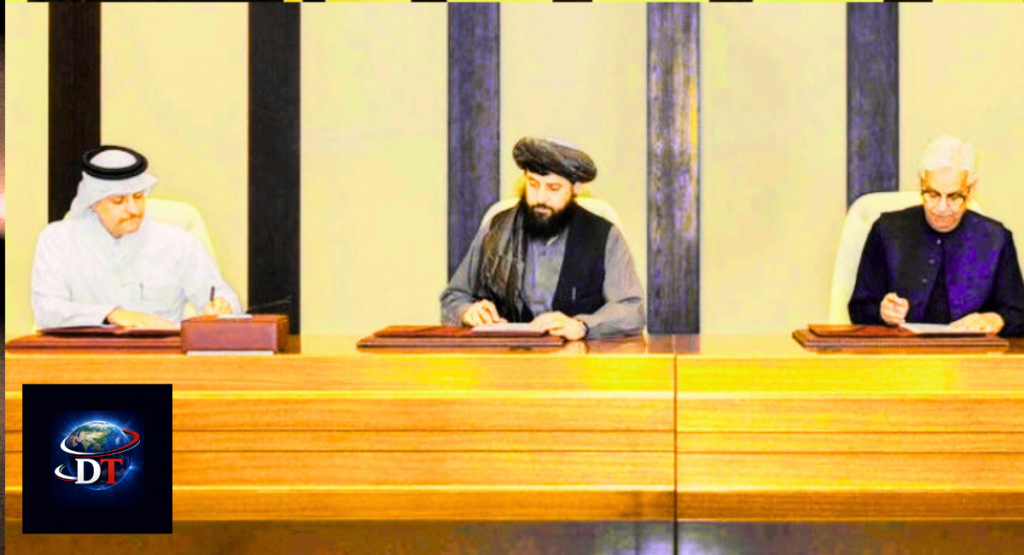
Despite progress, Pakistan Afghanistan Talks face serious challenges. Trust between the two sides remains fragile.
Pakistan demands verifiable action, not promises. Afghanistan, on the other hand, may face internal limitations in dealing with militant groups.
Bridging this gap will require consistent effort, transparency, and international support.
Future Outlook of Pakistan Afghanistan Talks
The outcome of Pakistan Afghanistan Talks could shape regional stability for years. If successful, these negotiations may lead to reduced violence, improved trade, and stronger diplomatic ties.
However, failure could deepen mistrust and escalate tensions further. Much depends on how seriously both sides take their commitments.
Conclusion
Pakistan Afghanistan Talks represent a cautious yet important step toward resolving long-standing tensions. With clear demands, active mediation, and a structured framework, there is potential for progress. Still, real change will depend on action, not just dialogue.
FAQs – Pakistan Afghanistan
What are Pakistan Afghanistan Talks about?
Pakistan Afghanistan Talks focus on security issues, especially action against militant groups like Tehreek-e-Taliban Pakistan and improving border stability.
Why are Pakistan Afghanistan Talks happening in Urumqi?
The talks are being held in Urumqi because China is mediating and wants to promote regional peace and security cooperation.
What are Pakistan’s main demands in Pakistan Afghanistan Talks?
Pakistan has demanded that Afghanistan declare TTP a terrorist group, dismantle its network, and provide proof of action taken.
What role is China playing in Pakistan Afghanistan Talks?
China is acting as a mediator, helping both countries reduce tensions and move toward a structured agreement through diplomatic efforts.
What is the expected outcome of Pakistan Afghanistan Talks?
The talks aim to reduce cross-border terrorism, improve relations, and create a framework for long-term peace and cooperation.

I am the founder and writer at Duniya Time.com, a news website focused on national and international news, social issues, and history. With a background in Islamic History, I write research-based articles in a clear and honest style. My goal is to share accurate information, thoughtful analysis, and meaningful stories that help readers stay informed and understand the world better.