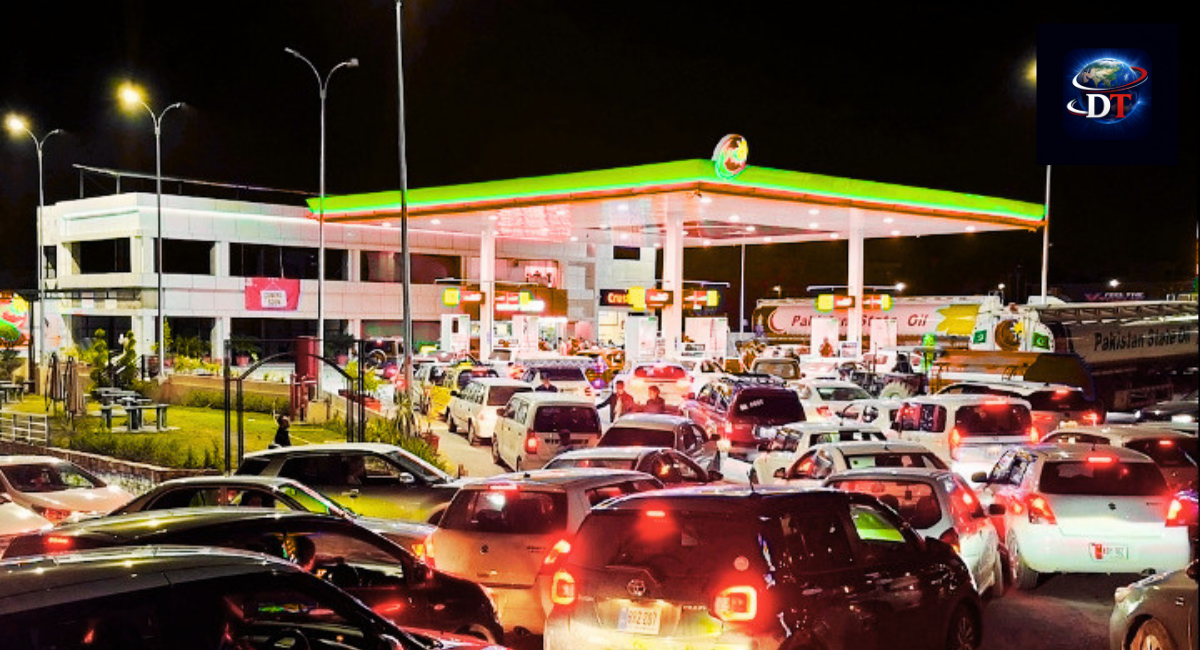
Pakistan’s fuel price hike has triggered fresh economic concerns as global oil rates surge due to Middle East tensions. The sudden increase is expected to impact inflation and daily life across the country.
Table of Contents
Pakistan Fuel Prices Hike Shocks Consumers
The latest increase in fuel rates has created anxiety among citizens. Petrol and diesel prices jumped sharply, marking the second rise within a month. Many people are already struggling with high living costs, and this decision adds more pressure.
Key Reasons Behind the Price Increase
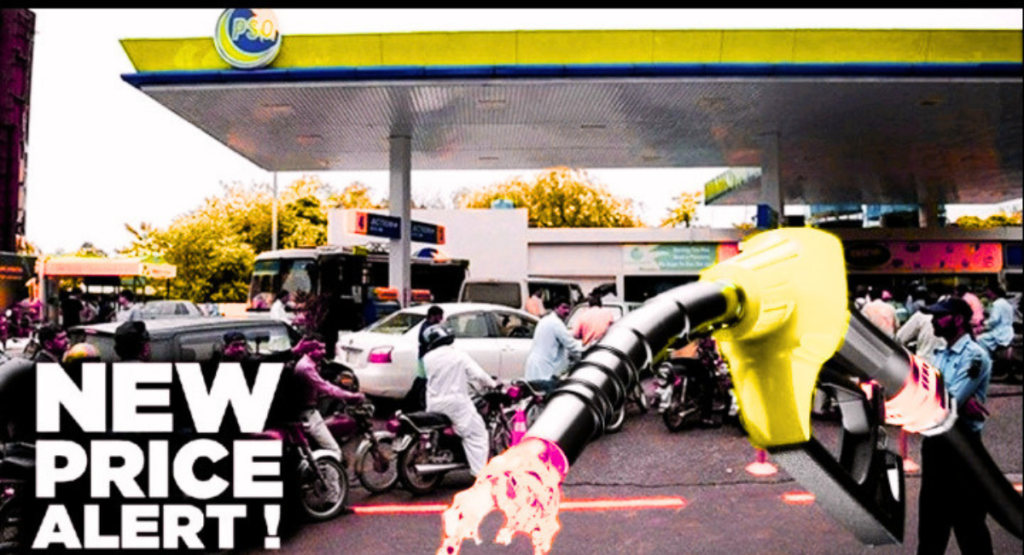
The government linked the hike to rising international oil prices. Ongoing conflict in the Middle East has disrupted supply chains, pushing global crude rates higher. Pakistan, being an oil-importing country, is directly affected by these fluctuations.
Impact of Middle East Conflict on Oil Markets
Tensions involving the United States and Iran have shaken energy markets. After statements from Donald Trump about intensifying military action, oil prices surged globally. This created a ripple effect for countries dependent on imports.
New Petrol and Diesel Prices Explained
The government raised diesel prices by nearly 55% and petrol by over 42%. These are among the steepest increases in recent times. Transport, agriculture, and daily commuting costs will rise significantly.
Inflation Pressure on Pakistani Economy
The Pakistan fuel prices hike is expected to push inflation even higher. When fuel becomes expensive, transportation and production costs increase. This eventually leads to higher prices for food and essential goods.
Government’s Justification and Response
Officials stated that continuing subsidies was no longer possible. Limited financial resources forced the government to pass the burden to consumers. Authorities also highlighted that there is no clear end to the ongoing global crisis.
Relief Measures for Vulnerable Groups
To reduce the impact, the government announced targeted subsidies. Small farmers, motorcyclists, and public transport sectors may receive some financial relief. However, many experts believe this support may not be enough.
Dependency on OilImports
Pakistan imports most of its oil from Gulf countries like Saudi Arabia and the UAE. These supplies pass through the Strait of Hormuz, a region sensitive to geopolitical tensions. Any disruption here directly affects local fuel prices.
Public Reaction and Daily Life Impact
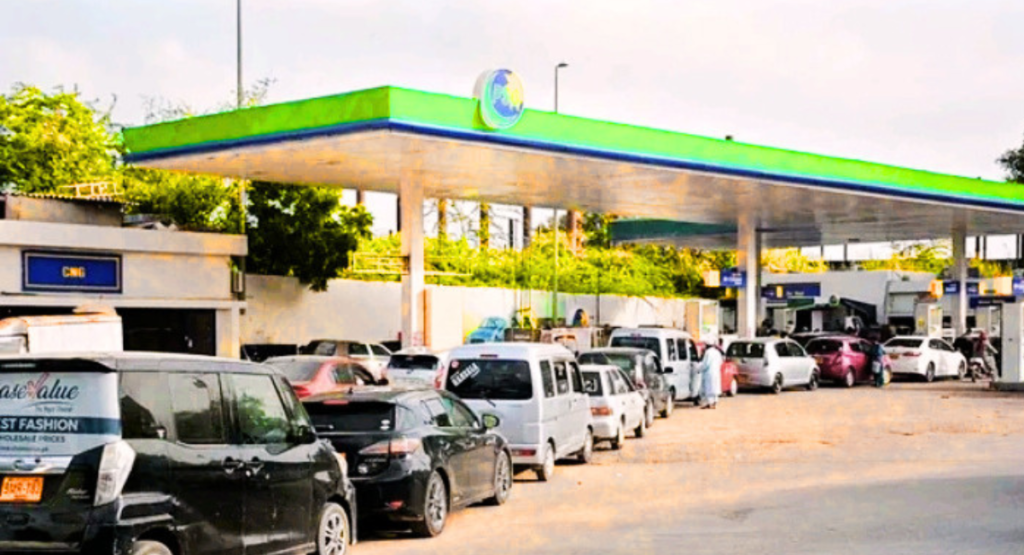
The Pakistan fuel price hike has led to frustration among citizens. People are worried about rising transport fares and increased utility bills. Businesses may also pass additional costs to customers, worsening the situation.
Global Oil Price Trends and Future Outlook
International oil prices have shown extreme volatility. Experts warn that if tensions continue, prices could rise further. This uncertainty makes it difficult for countries like Pakistan to stabilize their economies.
Economic Challenges Ahead
The Pakistan fuel price hike highlights deeper economic challenges. Currency weakness, reliance on imports, and global instability are major concerns. Long-term solutions are needed to reduce dependency on external energy sources.
Conclusion
The Pakistan fuel price hike reflects how global conflicts affect everyday life. Without stable oil markets, economic pressure will continue, making energy reforms and planning more important than ever.
Frequently Asked Questions
1. What is the reason behind Pakistan fuel prices hike?
The main reason is rising global oil prices due to ongoing Middle East conflict and supply disruptions.
2. How much have petrol and diesel prices increased?
Petrol increased by over 42% while diesel saw a rise of nearly 55%, making it one of the biggest hikes in recent times.
3. How will this affect inflation in Pakistan?
Higher fuel costs increase transportation and production expenses, leading to overall inflation and higher prices of goods.
4. Is the government providing any relief?
Yes, targeted subsidies have been announced for farmers, motorcyclists, and public transport sectors.
5. Will fuel prices decrease soon?
It depends on global oil market stability. If tensions reduce, prices may stabilize, otherwise they could rise further.

I am the founder and writer at Duniya Time.com, a news website focused on national and international news, social issues, and history. With a background in Islamic History, I write research-based articles in a clear and honest style. My goal is to share accurate information, thoughtful analysis, and meaningful stories that help readers stay informed and understand the world better.