Introduction
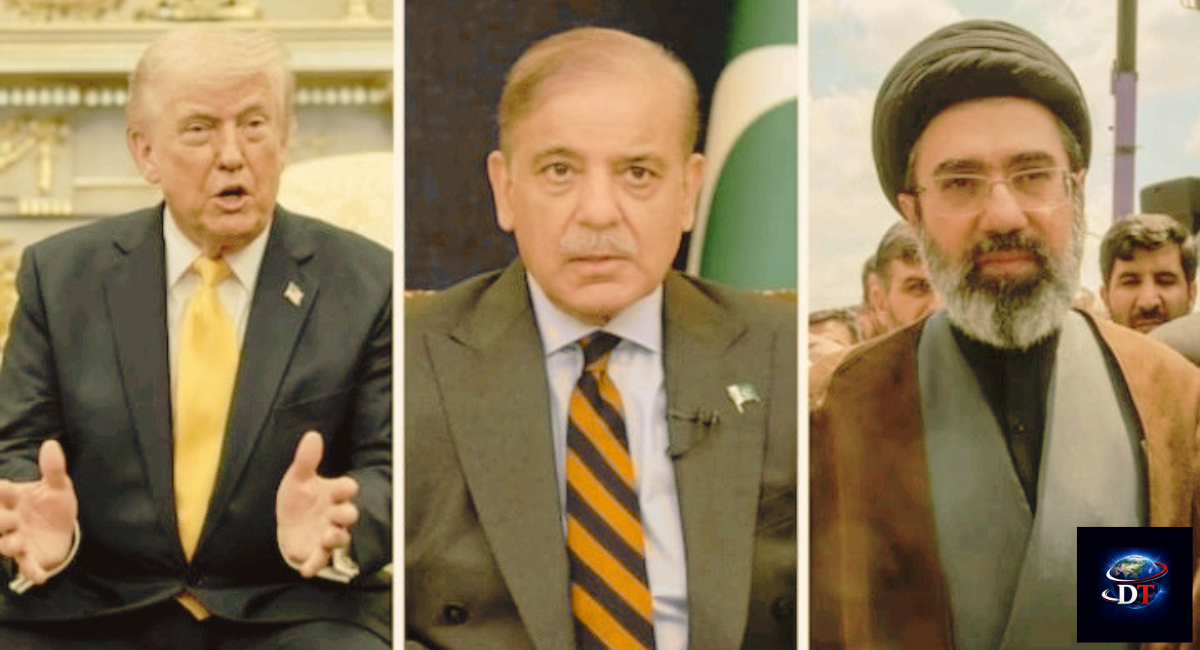
Pakistan’s mediation role is gaining global attention as tensions rise between major powers. This shift highlights Islamabad’s growing confidence in shaping regional peace efforts and influencing complex international diplomacy.
Recent discussions in Washington revealed a clear message. Pakistan is no longer just reacting to global events. It is actively trying to shape outcomes in sensitive geopolitical conflicts.
Table of Contents
Pakistan’s Mediation Role Gains Global Recognition
At a high-level symposium in Washington, experts pointed out that Pakistan’s offer to mediate between the United States and Iran reflects a new level of diplomatic maturity. This move shows that the country wants to position itself as a stabilizing force in an already tense region.
Rather than staying on the sidelines, Islamabad is stepping forward. This approach signals confidence and a desire to play a constructive role in global peace efforts.
A Strategic Location That Shapes Policy
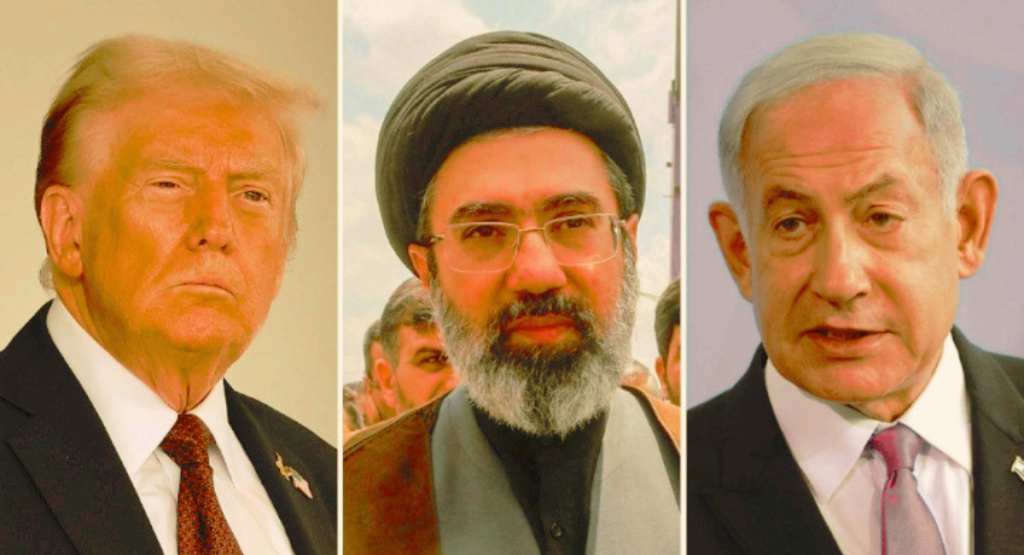
Pakistan’s geography has always influenced its decisions. Sharing borders with Afghanistan, Iran, and India places it at the center of regional dynamics.
This location brings both opportunities and challenges. Any instability nearby directly impacts Pakistan’s security and economic growth. That is why its diplomatic actions often focus on maintaining balance in the region.
US Pakistan Relations Beyond Security
Experts at the symposium stressed that relations between Pakistan and the United States should not remain limited to security concerns.
In the past, cooperation often depended on immediate geopolitical needs. This created a pattern of strong ties followed by periods of distrust. Now, both sides are being encouraged to build a more stable and long-term partnership.
From Aid to Trade and Investment
One of the strongest themes discussed was the need to shift from aid-based relations to economic cooperation.
Pakistan offers potential in sectors like minerals, renewable energy, and information technology. However, investors remain cautious due to policy uncertainty and bureaucratic challenges.
Improving transparency and consistency could unlock major opportunities for both countries.
Counterterrorism Still a Key Priority
Security remains an important part of Pakistan’s global role. Experts highlighted that militant groups are becoming more fragmented and technologically advanced.
While military action is necessary, long-term success depends on strengthening civilian institutions and the rule of law. A balanced approach is essential for sustainable peace.
Regional Tensions Remain a Risk Factor
Tensions between India and Pakistan continue to pose a serious challenge. Even with ceasefire agreements, the risk of escalation remains.
A single major incident could trigger a wider crisis. This makes diplomatic engagement and crisis prevention mechanisms more important than ever.
Pakistan’s Balanced Foreign Policy Approach
Pakistan is working to maintain relationships with multiple global powers. Its ties with China remain strong, especially in defense cooperation.
At the same time, Islamabad does not want to depend on any single partner. It continues to value its relationship with the United States, aiming for a balanced and diversified foreign policy.
Economic Challenges and Reform Needs
Despite its potential, Pakistan faces several economic hurdles. Investors often highlight issues like inconsistent policies, complex regulations, and weak legal enforcement.
Addressing these concerns requires structural reforms. Stronger institutions, reduced corruption, and better dispute resolution systems can improve investor confidence.
Social Issues Also in Focus
The symposium also touched on social challenges, including bonded labor in the brick kiln industries. Efforts are being made to address these issues through legal reforms and better enforcement.
Collaboration between government bodies, civil society, and international partners is essential to bring real change.
A Shift Toward Long-Term Cooperation
Speakers emphasized that cooperation between Pakistan and the United States is not optional. Both countries have significant influence and shared interests.
Conclusion
Pakistan’s mediation role reflects a clear shift toward proactive diplomacy and global engagement. With consistent reforms and balanced policies, the country can strengthen its position as a key player in regional and international peace efforts.
FAQs (Frequently Asked Questions
1. What is Pakistan mediation role in global politics?
Pakistan mediation role refers to its efforts to act as a neutral facilitator in conflicts, especially between major powers like the US and Iran, to promote peace and stability.
2. Why is Pakistan offering to mediate between the US and Iran?
Pakistan aims to reduce regional tensions and strengthen its diplomatic position by helping both sides move toward dialogue instead of conflict.
3. How does Pakistan’s location impact its foreign policy?
Pakistan’s borders with key countries make it highly sensitive to regional instability, which pushes it to adopt a balanced and cautious diplomatic approach.
4. What challenges affect US Pakistan relations?
The relationship often faces ups and downs due to shifting geopolitical interests, lack of long-term planning, and trust issues.
5. Can Pakistan become a major global mediator?
Yes, if it continues diplomatic engagement, strengthens institutions, and maintains neutrality, Pakistan can play a bigger role in global peace efforts.

I am the founder and writer at Duniya Time.com, a news website focused on national and international news, social issues, and history. With a background in Islamic History, I write research-based articles in a clear and honest style. My goal is to share accurate information, thoughtful analysis, and meaningful stories that help readers stay informed and understand the world better.