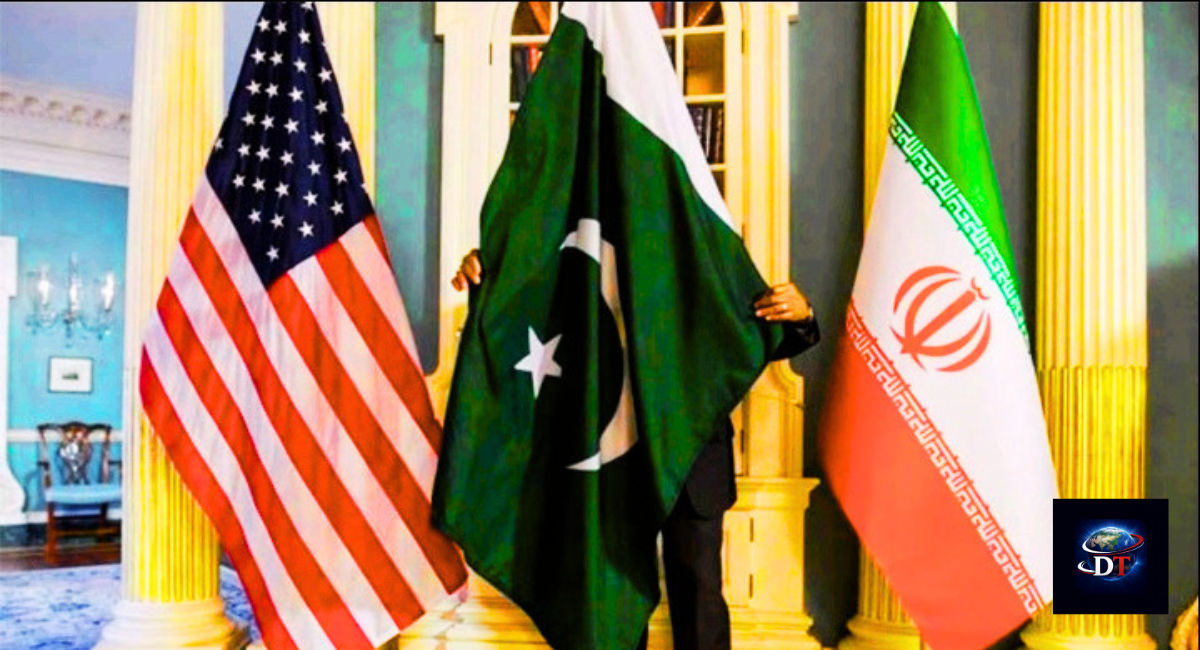
Pakistan peace diplomacy is once again in focus as Islamabad takes a central role in easing rising tensions in the Middle East. Prime Minister Shehbaz Sharif has actively engaged global partners to promote dialogue over conflict.
Table of Contents
Pakistan peace diplomacy gains global attention
Pakistan is positioning itself as a key mediator in the ongoing tensions between the United States and Iran. The recent quadrilateral meeting in Islamabad brought together influential Muslim countries aiming to prevent further escalation. This effort reflects Pakistan’s growing diplomatic relevance in global peacebuilding.
High level meeting in Islamabad
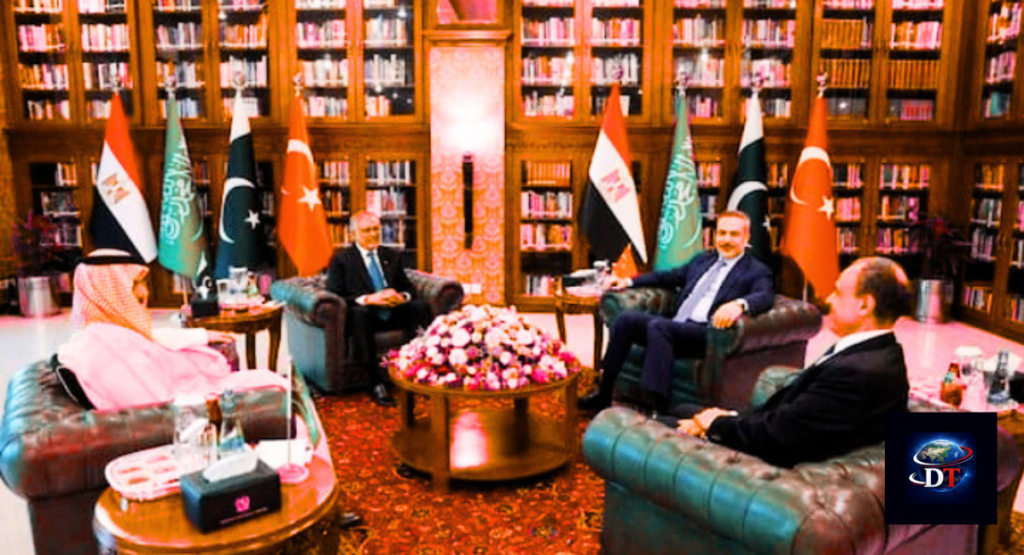
The meeting, chaired by Ishaq Dar, included foreign ministers from Saudi Arabia, Turkiye, and Egypt. The discussions focused on reducing hostilities and finding a peaceful solution to the crisis. Islamabad emerged as a neutral and trusted venue for dialogue.
Role of Saudi Arabia in regional stability
Saudi Foreign Minister Faisal bin Farhan Al Saudparticipated actively, showing the Kingdom’s commitment to restraint and stability. Pakistan appreciated Saudi leadership in the Muslim world and emphasized unity during challenging times.
Turkiye and Egypt support peace efforts
Foreign ministers Hakan Fidan and Badr Abdelatty also backed Pakistan’s initiative. Their involvement highlights a collective effort among key regional players to avoid further destruction and economic disruptionhttps://duniyatime.com/is-pakistan-hosting-us-iran-talks/
Pakistan offers to host US Iran talks
A major development is Pakistan’s willingness to host direct negotiations between Washington and Tehran. This offer shows confidence in Pakistan’s diplomatic neutrality. It also signals Islamabad’s ambition to become a bridge between conflicting powers.
Ongoing Middle East crisis background
The conflict began after strikes involving the United States and Iran, escalating tensions across the region. Retaliatory actions have raised fears of a broader war. Energy markets and global stability are already feeling the impact.
Diplomatic outreach across global capitals
Pakistan has not limited its efforts to one meeting. It is actively engaging with multiple countries, including Gulf nations and Western powers. This multi-directional outreach increases the chances of creating space for meaningful dialogue.
Possible ceasefire and negotiations
Diplomatic sources suggest a possible ceasefire could align with upcoming talks. Such a move would act as a confidence-building step. However, the situation remains uncertain and depends on developments in the coming days.
Strategic importance of Pakistan’s role
Pakistan’s involvement strengthens its image as a responsible global actor. Acting as a mediator enhances its diplomatic credibility. It also opens doors for stronger international partnerships in the future.
Challenges in achieving peace
Despite positive signals, several challenges remain. Trust deficits between the United States and Iran are deep. External pressures and regional alliances could complicate negotiations further.
Conclusion
Pakistan peace diplomacy reflects a serious effort to reduce conflict through dialogue and cooperation. If successful, it could reshape regional dynamics and reinforce Pakistan’s role as a peace facilitator on the global stage.
Frequently Asked Questions (FAQs)
1. What is Pakistan peace diplomacy in the current crisis?
Pakistan peace diplomacy refers to Islamabad’s efforts to reduce tensions between Iran and the United States by promoting dialogue and hosting high level talks with regional and global stakeholders.
2. Why is Pakistan playing a mediator role?
Pakistan is seen as a neutral country with strong ties across Muslim nations and global powers. This makes Pakistan peace diplomacy effective in bringing conflicting sides closer for negotiations.
3. Which countries joined the Islamabad meeting?
The quadrilateral meeting included Pakistan, Saudi Arabia, Turkiye, and Egypt. These countries supported Pakistan peace diplomacy to push for stability in the Middle East.
4. Can Pakistan host US Iran peace talks?
Yes, Pakistan has offered to host direct talks between the United States and Iran. This step strengthens Pakistan peace diplomacy and shows its commitment to peaceful conflict resolution.
5. How does this conflict impact global stability?
The Iran US tensions can affect oil prices, global markets, and regional security. Pakistan peace diplomacy aims to prevent further escalation and economic disruption.
6. What challenges does Pakistan face in mediation?
Major challenges include trust issues between Iran and the US, geopolitical pressures, and ongoing military actions. These factors can slow down Pakistan peace diplomacy efforts.
7. What is the expected outcome of these efforts?
If successful, Pakistan peace diplomacy could lead to a ceasefire and formal negotiations, helping restore peace and stability in the region.

I am the founder and writer at Duniya Time.com, a news website focused on national and international news, social issues, and history. With a background in Islamic History, I write research-based articles in a clear and honest style. My goal is to share accurate information, thoughtful analysis, and meaningful stories that help readers stay informed and understand the world better.