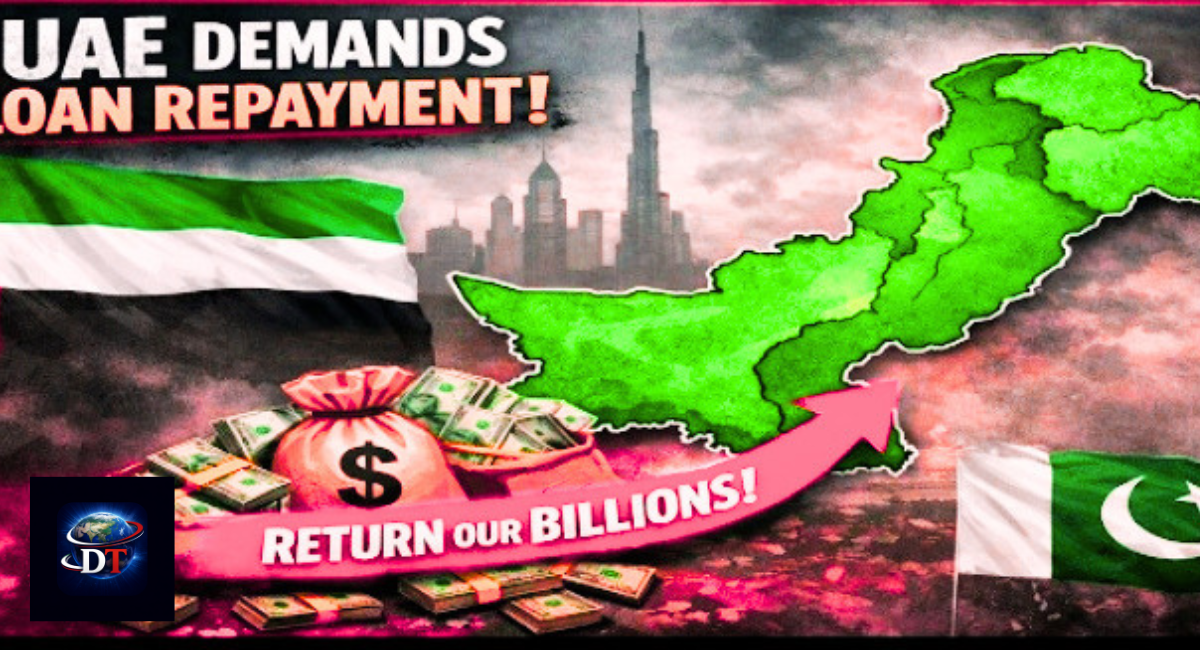
Pakistan is facing a serious financial test as it prepares to repay a $3.5 billion loan to the United Arab Emirates. This step comes at a time when foreign reserves are already under stress. The Pakistan UAE Loan situation has raised questions about economic stability, diplomacy, and future financial planning.
Table of Contents
Growing burden on foreign reserves
The repayment of this loan is not a simple financial move. It directly impacts Pakistan’s foreign exchange reserves, which are already limited. With reserves hovering around $16 billion, returning such a large amount creates pressure on the country’s ability to manage imports and stabilize its currency.
Experts warn that this repayment could weaken the rupee and increase inflation. The Pakistan UAE Loan issue highlights how dependent the economy remains on external financial support.
IMF targets and rising challenges
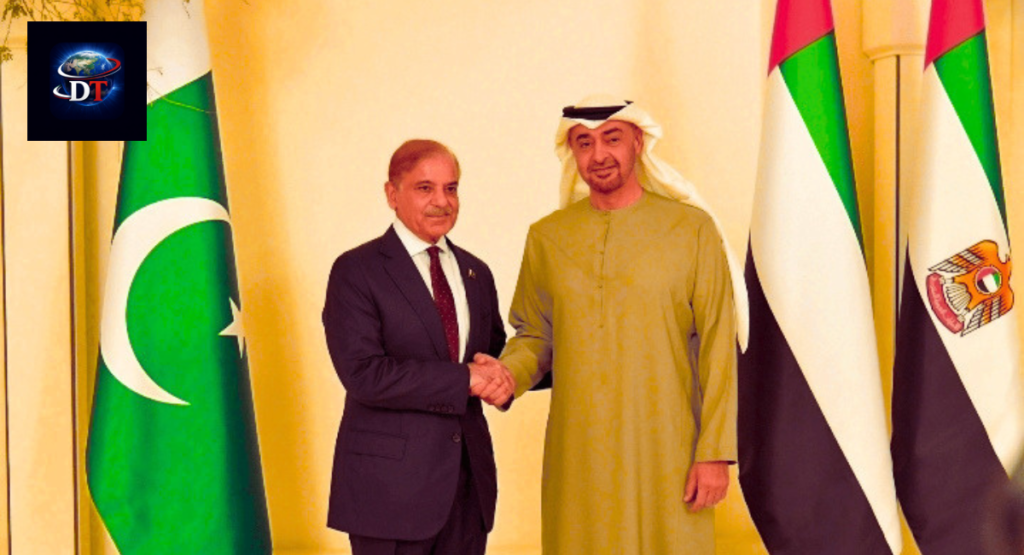
Pakistan is currently working under a $7 billion program with the International Monetary Fund. This agreement requires the country to maintain reserves above a certain level, around $18 billion.
Repaying the UAE loan without immediate replacement funds could lead to a breach of IMF conditions. This makes the Pakistan UAE Loan situation even more critical, as it could affect future funding and international trust.
Political controversy adds fuel
The situation became more sensitive when Pakistani Senator Mushahid Hussain made controversial remarks about the UAE. He described the country as weak and dependent, which sparked debate across media platforms.
Such statements can damage diplomatic relations, especially at a time when financial cooperation is crucial. The Pakistan UAE Loan issue is no longer just economic, it has turned political as well.
Long history of financial support
The UAE has been a key financial partner for Pakistan for years. Since 2018, the loan has been rolled over multiple times, helping Pakistan avoid immediate repayment pressure.
However, the recent decision to return the full amount marks a shift. The Pakistan UAE Loan repayment signals a change in financial strategy, though the risks remain high.
Additional debt obligations ahead
The UAE loan is not the only challenge. Pakistan also faces a $1.3 billion Eurobond repayment due soon. Combined, these obligations push total external payments close to $5 billion.
This creates a difficult situation for policymakers. Managing multiple repayments while maintaining economic stability is a major test linked closely with the Pakistan UAE Loan crisis.
Impact on inflation and daily life
Economic pressure does not be limited to government accounts. It directly affects everyday citizens. Rising fuel costs, increased import prices, and currency depreciation all lead to higher inflation.
The Pakistan UAE Loan repayment could indirectly increase living costs, making it harder for people to manage basic expenses.
Role of regional geopolitics
The repayment also comes during a tense period in the Middle East. Conflicts and disruptions in oil supply have already affected global markets.
Pakistan’s close ties with countries like Saudi Arabia and the UAE make the situation more complex. The Pakistan UAE Loan issue is now linked with broader regional dynamics.
Need for friendly support
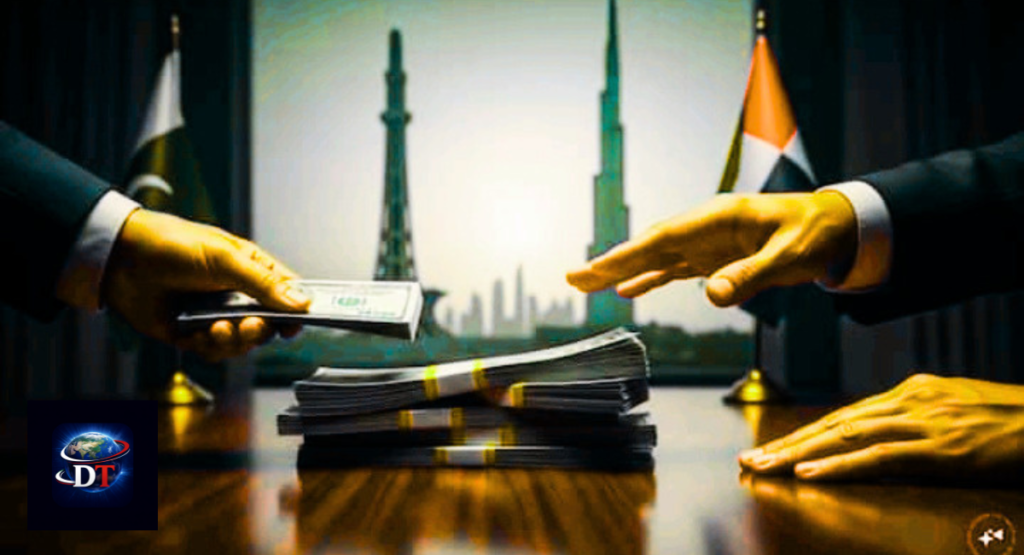
Financial experts believe that Pakistan will need support from allied nations to stabilize reserves. Countries like China and Saudi Arabia have previously provided assistance during difficult times.
Without fresh inflows, the pressure created by the Pakistan UAE Loan repayment could weaken investor confidence and slow economic recovery.
Market confidence at risk
Investor confidence plays a key role in economic stability. When reserves fall and debt obligations rise, markets react quickly.
Analysts warn that the Pakistan UAE Loan situation could create uncertainty in financial markets, affecting both local and international investors.
Future economic strategy
This situation highlights the need for long-term reforms. Pakistan must focus on increasing exports, reducing reliance on loans, and building sustainable reserves.
The Pakistan UAE Loan episode serves as a reminder that short-term financial fixes are not enough. Strong economic planning is essential for stability.
Conclusion
Pakistan’s decision to repay the UAE loan marks a turning point for its economy. While it shows commitment, it also exposes financial weakness. The coming months will decide whether stability returns or pressure continues.
Frequently Asked Questions
What is IMF?
(International Monetary Fund)The International Monetary Fund is a global financial organization that supports countries facing economic instability by providing loans and policy guidance.
Why is the Pakistan UAE Loan important?
The Pakistan UAE Loan is important because it directly impacts foreign reserves and financial stability, influencing inflation and currency value.
What happens if Pakistan cannot maintain IMF conditions?
If Pakistan fails to meet IMF (International Monetary Fund) conditions, it may face delays in funding, reduced investor confidence, and economic pressure.
How does this loan affect the economy?
The Pakistan UAE Loan affects reserves, imports, inflation, and overall market confidence, making economic recovery more difficult.
Why are foreign reserves important?
Foreign reserves help a country pay for imports, stabilize currency, and maintain economic balance during financial stress.
What role does UAE play in Pakistan’s economy?
The UAE provides financial support through loans and deposits, helping Pakistan manage short-term liquidity and economic needs.
Can this situation affect inflation?
Yes, the Pakistan UAE Loan repayment can reduce reserves, which may increase inflation due to currency pressure and rising import costs.

I am the founder and writer at Duniya Time.com, a news website focused on national and international news, social issues, and history. With a background in Islamic History, I write research-based articles in a clear and honest style. My goal is to share accurate information, thoughtful analysis, and meaningful stories that help readers stay informed and understand the world better.