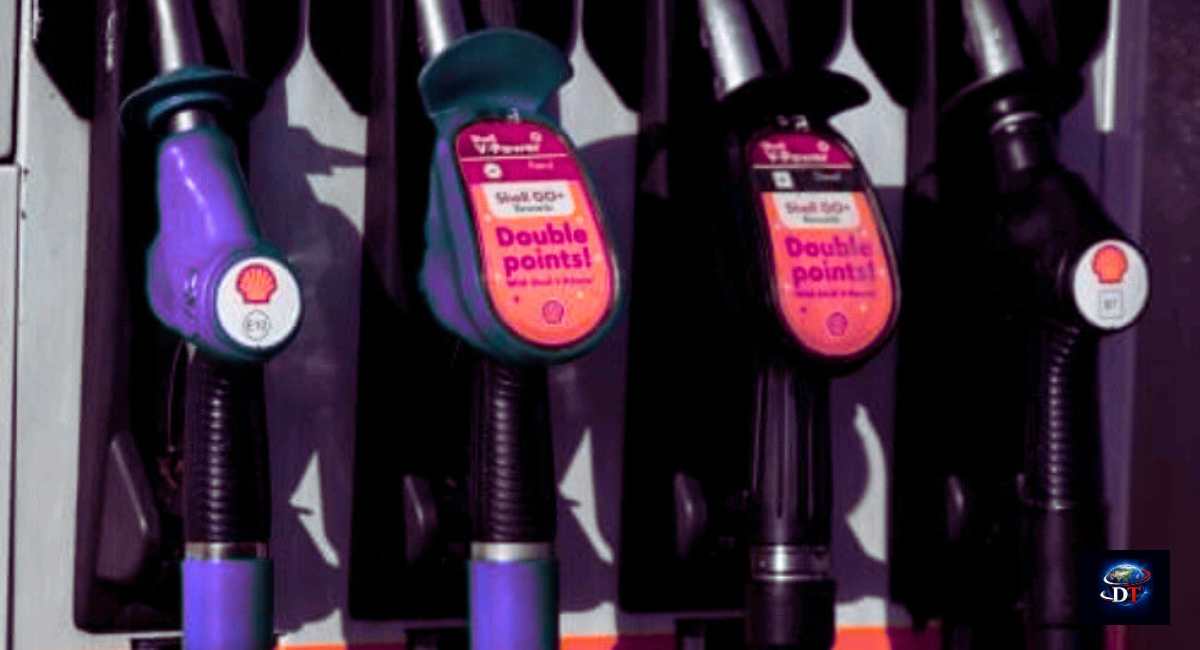
Petroleum Products Prices Increase in Pakistan as global tensions affect energy markets. The government raised jet fuel, kerosene, and light diesel prices while keeping petrol and diesel unchanged through subsidies.
Table of Contents
Middle East Crisis Impacts Energy Costs
Rising tension in the Middle East is affecting global oil supply and transportation costs. Because Pakistan depends heavily on imported fuel, international market changes quickly influence local petroleum prices.
Jet Fuel Sees Major Price Jump
The government has raised the price of jet fuel by 13 percent. The new increase of Rs45.73 per litre pushes the price to Rs388.01 per litre. This change may lead airlines to review ticket prices.
Possible Increase in Airfares
Higher aviation fuel costs usually translate into higher operating expenses for airlines. As a result, domestic and international passengers in Pakistan may soon see increased airfares.
Light Diesel Oil Becomes More Expensive
Light diesel oil has recorded the biggest increase. Its price jumped 22 percent, rising by Rs67.42 per litre. The new official rate is Rs302.52 per litre.
Kerosene Price Also Rises
Kerosene oil, which many households still use for cooking and heating in rural areas, has also become costlier. The price increased by Rs39.20 per litre, bringing the new rate to Rs358.01 per litre.
Petrol and Diesel Prices Remain Stable
Despite increases in other fuels, the government decided not to change the prices of petrol and high-speed diesel. Officials said this decision was taken to reduce pressure on the public.
Petroleum Levy Remains the Same
The petroleum levy on petrol will remain Rs105.37 per litre, while the levy on diesel stays at Rs55.24 per litre. These levies help the government collect revenue for national expenses.
Government Announces Large Subsidy
According to the Ministry of Energy, the government will provide a Rs23 billion subsidy to maintain stable petrol and diesel prices. This support will be paid to oil marketing companies.
Role of OGRA in Price Adjustment
The subsidy will be processed through the Oil and Gas Regulatory Authority. The payment will cover price differential claims for the period between March 14 and March 20.
Austerity Fund Gets Approval
The Economic Coordination Committee approved transferring Rs27.10 billion to the new Prime Minister’s Austerity Fund. Out of this amount, Rs23 billion will go to OGRA for fuel price support.
conclusion
Fuel price changes show how global crises affect Pakistan’s economy. While some petroleum products became expensive, subsidies helped keep petrol and diesel stable to protect consumers.
Frequently Asked Questions
1. Why did petroleum products prices increase in Pakistan?
Petroleum products prices increased because of rising global oil prices and instability in the Middle East which affects fuel imports.
2. Which petroleum products became more expensive?
Jet fuel, light diesel oil, and kerosene oil saw significant price increases announced by the government.
3. Did petrol and diesel prices increase?
No. The government kept petrol and high speed diesel prices unchanged to reduce pressure on the public.
How much subsidy did the government announce?
The government announced a subsidy of Rs23 billion to maintain petrol and diesel prices.
Which authority handles petroleum price adjustments in Pakistan?
The Oil and Gas Regulatory Authority manages fuel pricing mechanisms and subsidy adjustments.

I am the founder and writer at Duniya Time.com, a news website focused on national and international news, social issues, and history. With a background in Islamic History, I write research-based articles in a clear and honest style. My goal is to share accurate information, thoughtful analysis, and meaningful stories that help readers stay informed and understand the world better.