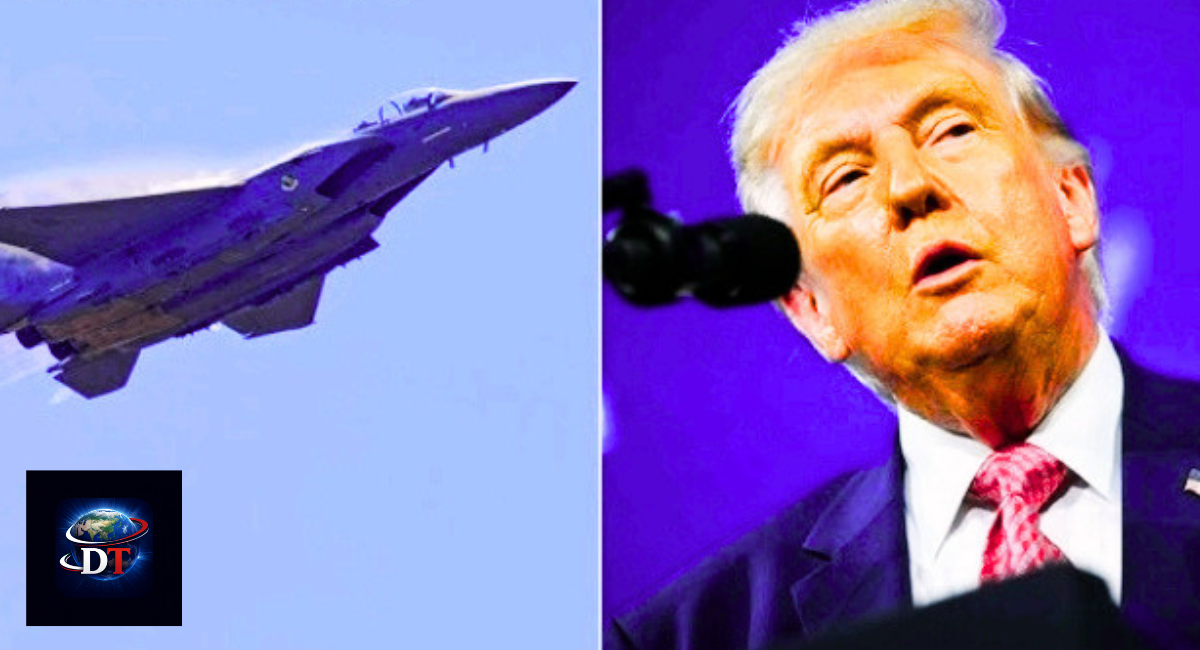
The rescue of a US Airman in Iran has quickly become one of the most intense and emotional episodes in the ongoing Middle East conflict. What started as a routine combat mission turned into a high-stakes survival story when a U.S. fighter jet was shot down deep inside hostile territory. The incident not only exposed the risks faced by military personnel but also highlighted the urgency, coordination, and human element behind rescue operations.
Table of Contents
What Happened to the Fighter Jet?
The incident began when an F-15E Strike Eagle was hit by Iranian fire during an active mission. Within seconds, both crew members were forced to eject. The aircraft crashed, marking a major moment in the conflict as one of the first confirmed losses of its kind.
The situation escalated immediately. Ejection in enemy territory is one of the most dangerous scenarios for any pilot. Survival depends not just on training, but also on how quickly rescue teams can respond.
Separation During Ejection
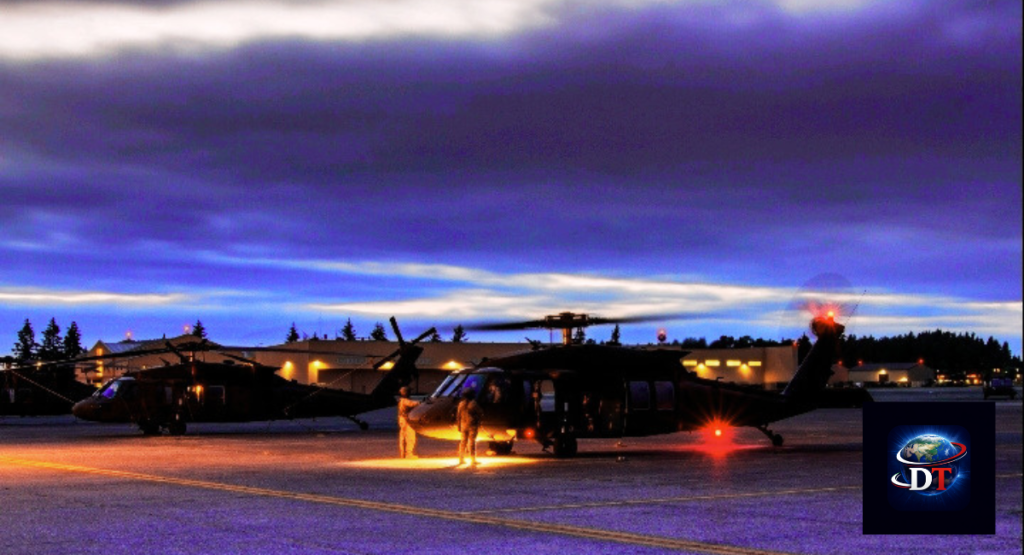
During the chaotic ejection, the pilot and weapons systems officer were separated. This created two different situations at once. One officer maintained communication and was located relatively quickly. The other went missing, triggering a large-scale search operation.
This moment became the turning point in the Rescue of a US Airman in Iran, shifting the focus from combat to recovery.
Immediate MilitaryResponse
The U.S. military launched a rapid response operation involving helicopters, surveillance systems, and fighter escorts. These missions are highly coordinated and require precise timing.
Rescue teams faced heavy fire while attempting to reach the downed personnel. Despite the risks, the operation continued, showing how seriously such missions are taken.
Why Rescue Missions Are Critical
For any military, recovering personnel is more than strategy. It is a moral responsibility. Soldiers are trained with the belief that they will not be left behind.
The Rescue of a US Airman in Iran reflects this principle clearly. Even in dangerous conditions, efforts continued for hours and then days. This kind of commitment boosts morale across the entire force.
Role of Intelligence Agencies
The search operation was not limited to the military alone. Intelligence agencies, including surveillance teams, played a major role. They monitored signals, tracked movement, and analyzed possible locations.
Accurate intelligence often makes the difference between success and failure in such missions. In this case, it helped narrow down search zones and guided rescue teams.
Challenges in Hostile Territory
Operating inside enemy-controlled areas comes with serious risks. Terrain, weather, and enemy presence all create complications.
The Rescue of a US Airman in Iran faced multiple obstacles. Rescue aircraft were exposed to fire. Ground visibility was limited. Communication had to remain secure. Every step required caution and speed at the same time.
Political and Strategic Impact
Such incidents go beyond military operations. They carry political weight as well. A captured or missing airman can become leverage in negotiations.
Iran could have used the situation for strategic advantage. This added urgency to the rescue mission. The longer the delay, the higher the risk of escalation.
Emotional Side of the Mission
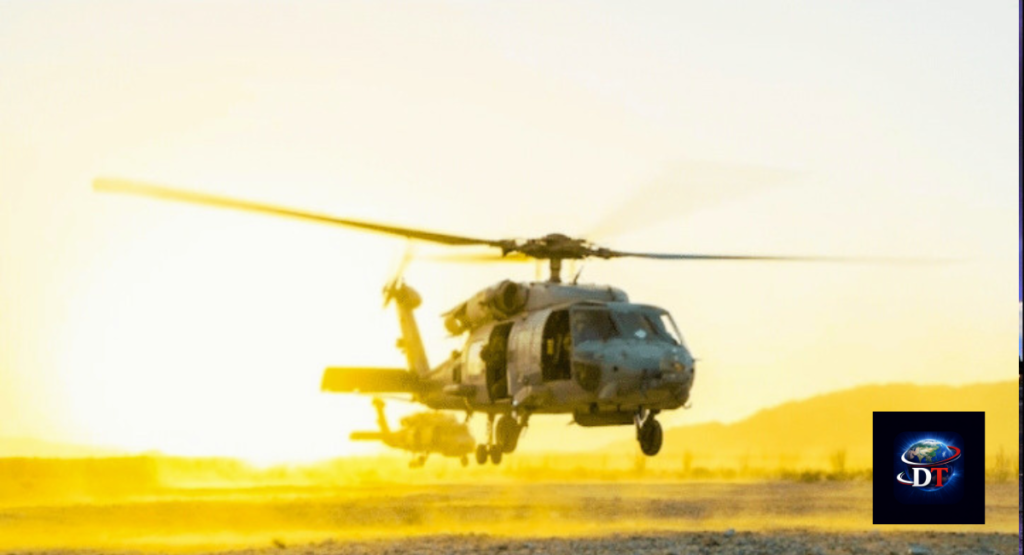
Behind all the strategy, there is a human story. A pilot alone in hostile territory, waiting for rescue, represents extreme stress and uncertainty.
The Rescue of a US Airman in Iran is not just about tactics. It is about survival, courage, and trust in the system. Families, fellow soldiers, and commanders all remain emotionally invested.
Timeline of the Rescue Effort
The pilot, who remained in communication, was rescued within six hours. This shows how fast response systems can work when conditions allow.
However, the missing officer triggered a two-day search effort. Resources across the region were redirected to locate him. This extended timeline highlights how unpredictable such operations can be.
Lessons from the Incident
Every military event provides lessons. This one emphasizes the importance of coordination, technology, and training.
The Rescue of a US Airman in Iran shows that even advanced aircraft are vulnerable. It also proves that rescue systems must evolve constantly to match modern threats.
Conclusion
The rescue of a US Airman in Iran stands as a powerful example of the realities of modern warfare. It combines danger, urgency, and human resilience in one story. From the moment the jet was hit to the ongoing search efforts, every phase reflects the complexity of military operations today.
FAQ (Frequently Asked Questions):
1. What is the Rescue of US Airman in Iran?
It refers to a U.S. military operation launched to recover a downed pilot after a fighter jet was shot down in Iranian territory during conflict.
2. What does USAF stand for?
USAF stands for United States Air Force, the aerial warfare branch of the U.S. military responsible for air operations.
3. Why was the Rescue of US Airman in Iran important?
It was important because recovering military personnel is both a strategic priority and a moral responsibility for armed forces.
4. What does CIA stand for?
CIA stands for Central Intelligence Agency, which supports operations through intelligence gathering and surveillance.
5. How long did the rescue mission take?
One airman was rescued within hours, while the search for the second officer continued for nearly two days.
6. What does F-15E stand for?
F-15E refers to the Strike Eagle fighter jet, a dual-role aircraft used for both air-to-air and air-to-ground missions.
7. What are the risks in such rescue missions?
Rescue missions in hostile areas involve risks like enemy fire, limited visibility, and communication challenges, making them highly dangerous.

I am the founder and writer at Duniya Time.com, a news website focused on national and international news, social issues, and history. With a background in Islamic History, I write research-based articles in a clear and honest style. My goal is to share accurate information, thoughtful analysis, and meaningful stories that help readers stay informed and understand the world better.