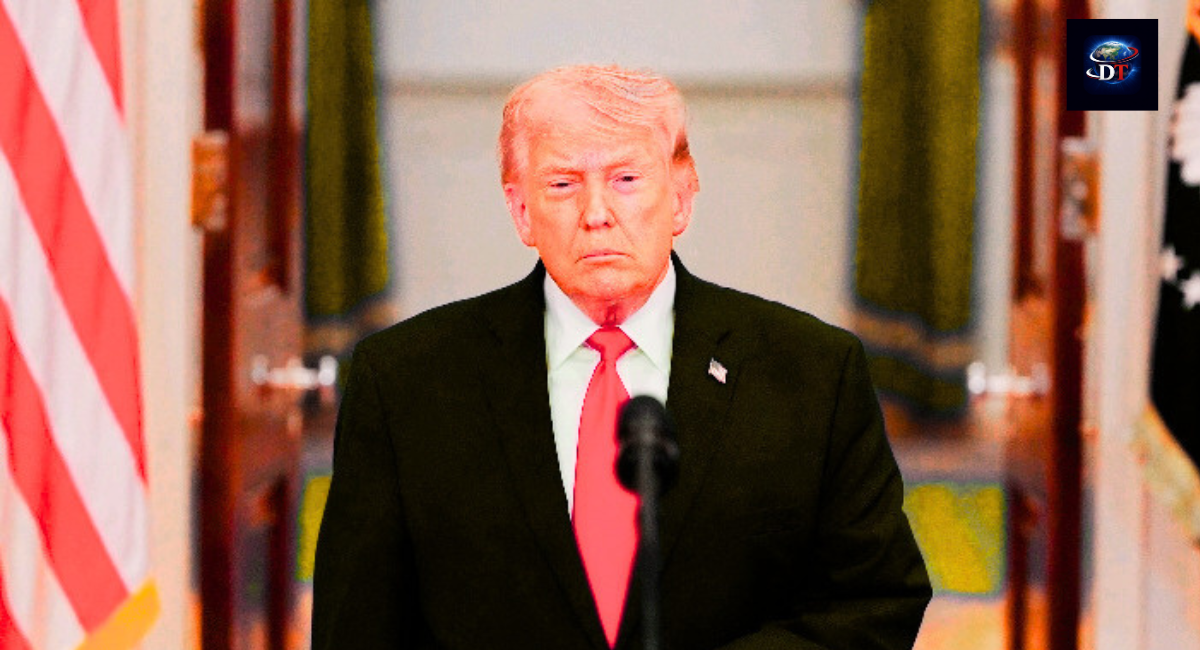
The Trump Iran war threat is again in global headlines as tensions rise fast. The latest warning signals a dangerous shift toward targeting key infrastructure, raising serious legal and humanitarian concerns worldwide.
Table of Contents
Escalation in US Iran Conflict
The situation between the United States and Iran has entered a more intense phase. Donald Trump openly warned that future strikes could focus on bridges and power plants. This signals a shift from military targets to infrastructure that supports daily life.
This move reflects growing frustration within Washington. At the same time, it raises fears of wider instability in the region. Many analysts believe this could expand the conflict beyond control.
Trump’s Direct Warning and Strategy
In a strong message, Trump said the military has not yet fully acted. He suggested that the next phase would include destruction of key facilities. These include transport routes and electricity systems.
The Trump Iran war threat here is becoming more serious because infrastructure attacks can impact millions of civilians. It is not just about military pressure anymore. It is about forcing rapid compliance.
Why Infrastructure Is Being Targeted
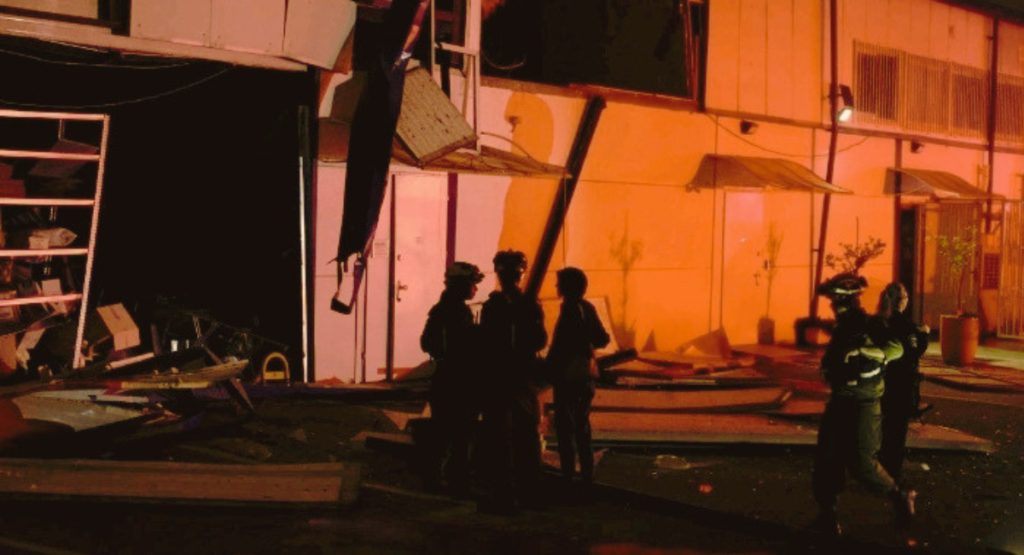
Infrastructure plays a central role in any country’s stability. Bridges connect cities. Power plants keep hospitals, homes, and industries running.
Targeting these systems can create immediate pressure. However, it also risks humanitarian disaster. Experts argue that such actions can weaken a nation quickly, but at a heavy human cost.
The Trump Iran war threat now appears to follow this high-pressure strategy. The goal seems to be faster results, but the risks are equally high.
Legal Concerns and War Crime Debate
International law experts have raised serious concerns. The Geneva Conventions clearly restrict attacks on civilian infrastructure.
These laws require armies to separate military and civilian targets. Destroying power plants and bridges may violate these rules if civilians are directly affected.
This is why the Trump Iran war threat has sparked debate among legal scholars. Some believe such actions could be classified as war crimes under international law.
Humanitarian Impact on Civilians
The biggest concern is the impact on ordinary people. If electricity systems collapse, hospitals may stop functioning. Water supply systems could also fail.
Bridges are vital for food delivery and emergency services. Destroying them can isolate entire regions.
The Trump Iran war threat is not just about military success. It carries serious risks to civilian life, especially in densely populated areas.
Economic Consequences Worldwide
This conflict is already affecting global markets. Oil prices have started rising due to instability in the Middle East.
Countries that depend on energy imports are feeling the pressure. Investors are also becoming cautious. Markets do not respond well to uncertainty.
The Trump Iran war threat could push the global economy into further stress if the conflict expands.
Mixed Signals From Washington
One key issue is the changing tone of US leadership. At times, Trump has suggested the war is close to ending. At other moments, he has warned of stronger attacks.
This inconsistency creates confusion. Allies and global partners find it difficult to plan their responses.
The Trump Iran war threat becomes harder to assess when the strategy keeps shifting. It raises doubts about long-term goals.
Regional and Global Reactions
Countries around the world are watching closely. Some are calling for peace talks. Others are preparing for possible escalation.
The United Nations may step in if the situation worsens. Regional powers are also trying to avoid a broader conflict.
The Trump Iran war threat has already increased tensions beyond the immediate region. It is no longer just a bilateral issue.
Risk of Wider War
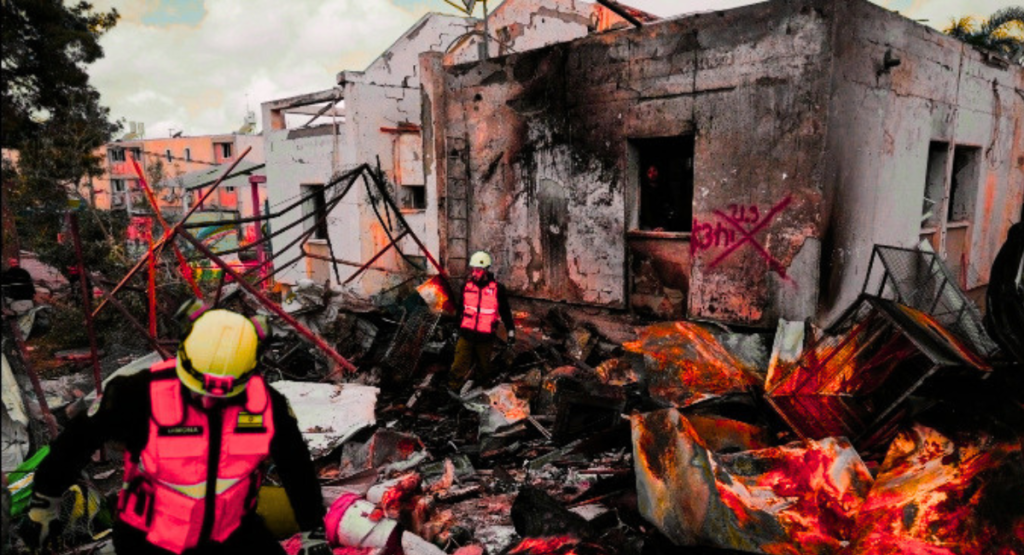
The biggest fear is that this conflict could spread. Iran has already responded with attacks in different areas. If infrastructure is targeted, retaliation could intensify.
This could pull in more countries. We may also become involved.
The Trump Iran war threat now carries the risk of turning into a larger international conflict if not controlled.
Future Outlook and Possible Scenarios
There are two possible paths ahead. One is escalation, with more aggressive strikes and wider damage. The other is negotiation, where pressure leads to talks.
Much depends on how both sides respond in the coming weeks. The situation remains highly unpredictable.
The Trump Iran war threat will likely shape global politics in the near future. Every move now carries long-term consequences.
Conclusion
Trump Iran war threat highlights a critical moment in global politics. Targeting infrastructure may bring quick results, but it risks humanitarian crisis and legal backlash, making the path ahead highly uncertain.
FAQ (Frequently Asked Questions)
What is Trump Iran war threat?
Trump Iran war threat refers to recent warnings by the US leadership about targeting Iran’s infrastructure like bridges and power plants during the ongoing conflict.
Why are bridges and power plants targeted?
These are critical systems that support daily life. Targeting them puts pressure on a country but also risks civilian harm.
Is attacking infrastructure legal in war?
According to the Geneva Conventions, attacks on civilian infrastructure are restricted and may be considered illegal if civilians are affected.
How can this impact global markets?
Such tensions increase oil prices, create uncertainty, and affect global trade and economic stability.
Can this lead to a larger war?
Yes, escalation and retaliation could involve more countries and expand the conflict regionally or globally.

I am the founder and writer at Duniya Time.com, a news website focused on national and international news, social issues, and history. With a background in Islamic History, I write research-based articles in a clear and honest style. My goal is to share accurate information, thoughtful analysis, and meaningful stories that help readers stay informed and understand the world better.