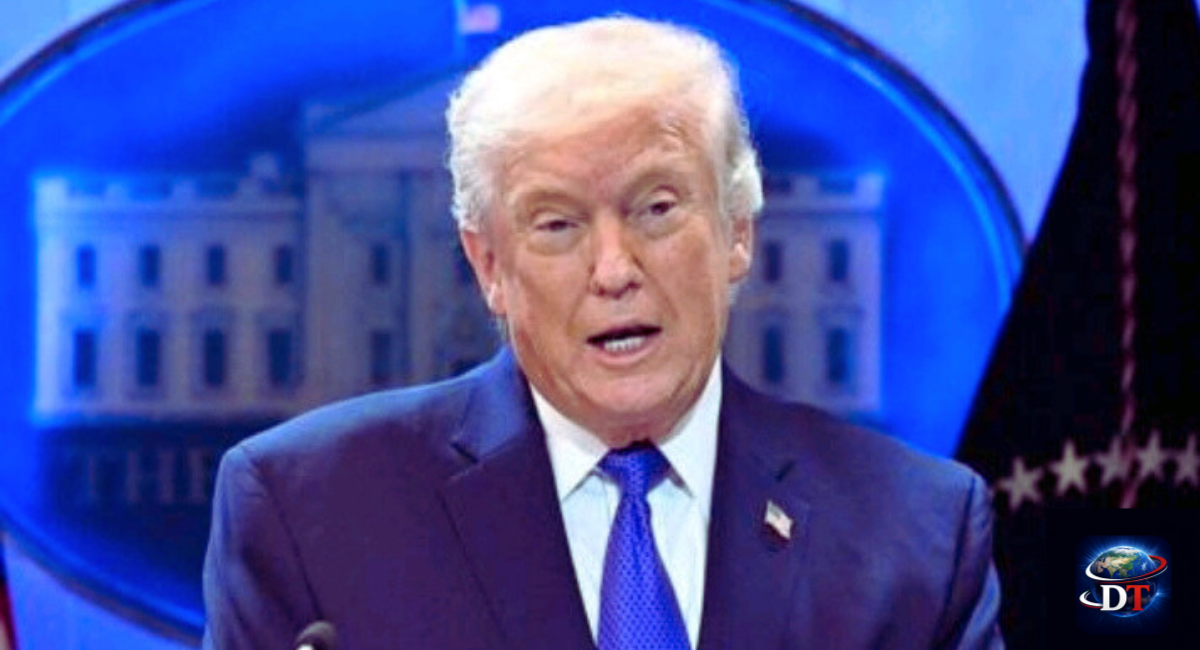
The Trump Supreme Court tariffs ruling shocked Washington and global markets. The decision blocked sweeping tariffs and triggered sharp criticism from President Donald Trump, raising new legal and political questions.
Trump Supreme Court Tariffs Ruling Explained
The Trump Supreme Court tariffs ruling came after months of legal challenges against the administration’s plan to impose broad global tariffs. The Supreme Court of the United States ruled that a president cannot use emergency powers to impose broad tariffs without congressional approval.This decision became one of the biggest setbacks of Trump’s second term. The ruling showed clear limits on presidential trade authority and confirmed that tariff policy must follow legal procedures.
Why the Court Blocked the Tariffs
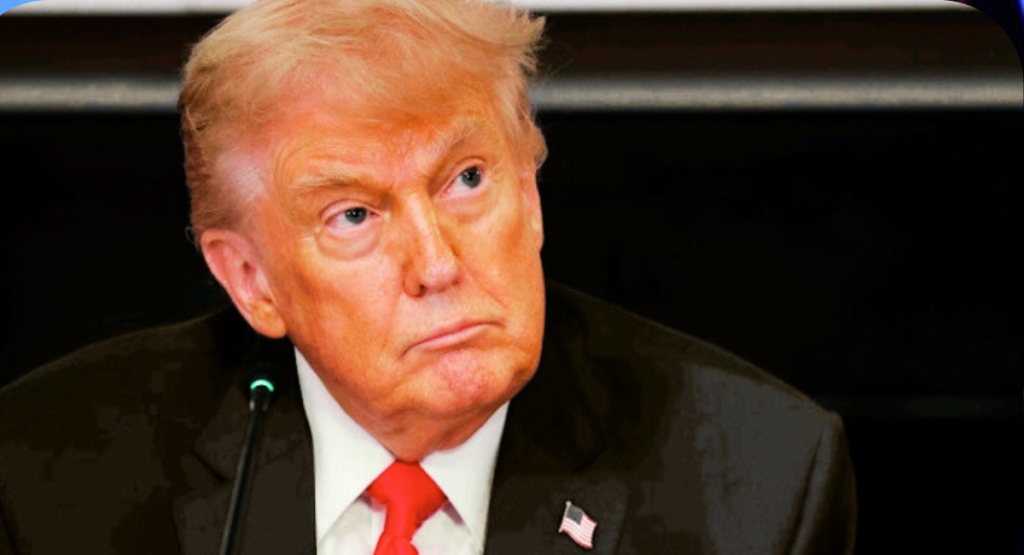
The majority opinion, written by Chief Justice John Roberts, argued that trade laws passed by Congress do not allow unlimited tariff powers. The court said that emergency authority cannot replace normal legislative processes.
Several justices joined the majority, including Elena Kagan, Sonia Sotomayor, Ketanji Brown Jackson, Neil Gorsuch, and Amy Coney Barrett. Their opinion focused on protecting constitutional balance.
Trump’s Reaction to the Tariffs Decision
Three justices supported Trump’s authority. They were Clarence Thomas, Samuel Alito, and Brett Kavanaugh.Justice Kavanaugh warned that canceling tariffs could force the government to refund billions of dollars. He said the process would be complicated and disruptive.Trump praised these justices publicly, calling them strong defenders of national interests.
Impact on US Trade Policy
The Trump Supreme Court tariffs ruling may reshape American trade policy. Without broad tariff powers, the administration must negotiate with Congress or use limited legal tools.Experts believe this will slow future tariff plans. Trade agreements, negotiations, and targeted duties may replace sweeping tariffs.The ruling also shows that courts remain an important check on executive power.
Global Economic Reactions
Global markets reacted cautiously. Businesses welcomed the decision because sudden tariffs create uncertainty. Companies often struggle to plan production and pricing when duties change quickly.Trade experts from organizations like the World Trade Organization said predictable rules are better for global commerce. Stability helps trade grow and protects smaller economies.
Legal Experts Call It a Rule of Law Victory
Many analysts praised the decision. Experts at the Cato Institute called it a victory for constitutional limits. They said presidents must respect laws passed by Congress.Legal scholars also noted that this case may influence future disputes about emergency powers. Courts could now examine executive trade actions more closely.
Political Impact Ahead of Elections
The Trump Supreme Court tariffs ruling may shape future elections. Supporters of Trump believe tariffs protect American jobs. Critics say tariffs raise prices and hurt global trade.The ruling gives opposition parties a chance to question Trump’s economic plans. At the same time, Trump may use the issue to rally voters who support stronger trade protection.
What Trump Can Do Next
Trump has several options after the tariffs ruling. He can:
1. Ask Congress to approve tariffs through legislation
2. se narrower trade laws for specific industriesNegotiate trade deals instead of tariffsAppeal or adjust policy through new legal frameworks
3. Each option requires political negotiation and careful planning
Long Term Impact on Presidential Power
This case may become a historic example of limits on executive authority. The Supreme Court decision reminds future presidents that trade policy must follow constitutional rules.It also strengthens the idea that courts can stop policies that exceed legal limits. This balance between branches protects democratic systems.
conclusion
The Trump Supreme Court tariffs ruling changed US trade politics overnight. It limited presidential tariff powers and sparked debate about law, economy, and leadership in America’s future.
FAQs – Trump Supreme Court Tariffs Ruling
What is the Trump Supreme Court tariffs ruling?
The Trump Supreme Court tariffs ruling is a decision by the Supreme Court of the United States that blocked former President Donald Trump from imposing broad global tariffs without approval from Congress.
Why did the Supreme Court reject Trump’s tariffs?
The court said trade laws do not give unlimited power to presidents. Chief Justice John Roberts explained that emergency powers cannot replace Congress in major trade decisions.
Which justices voted against Trump’s tariffs?
Six justices opposed the tariffs including Elena Kagan, Sonia Sotomayor, Ketanji Brown Jackson, Neil Gorsuch, and Amy Coney Barrett.
Which justices supported Trump’s tariff authority?
Three justices supported Trump’s position. They were Clarence Thomas, Samuel Alito, and Brett Kavanaugh.
How did Donald Trump react to the tariffs ruling?
Trump strongly criticized the justices and called the decision disappointing. He also said he would look for other ways to impose tariffs.
How will this ruling affect US trade policy?
The ruling limits presidential power on tariffs. Future trade decisions may need Congress approval, making policies slower but more stable.
. Will global businesses benefit from this decision?
Many businesses welcomed the ruling because sudden tariffs create uncertainty. Experts from the World Trade Organization say stable trade rules help global markets.-
Can Trump still impose tariffs after this ruling?
Yes, but only through limited legal tools or with Congress approval. He may also negotiate trade deals instead of broad tariffs.

I am the founder and writer at Duniya Time.com, a news website focused on national and international news, social issues, and history. With a background in Islamic History, I write research-based articles in a clear and honest style. My goal is to share accurate information, thoughtful analysis, and meaningful stories that help readers stay informed and understand the world better.