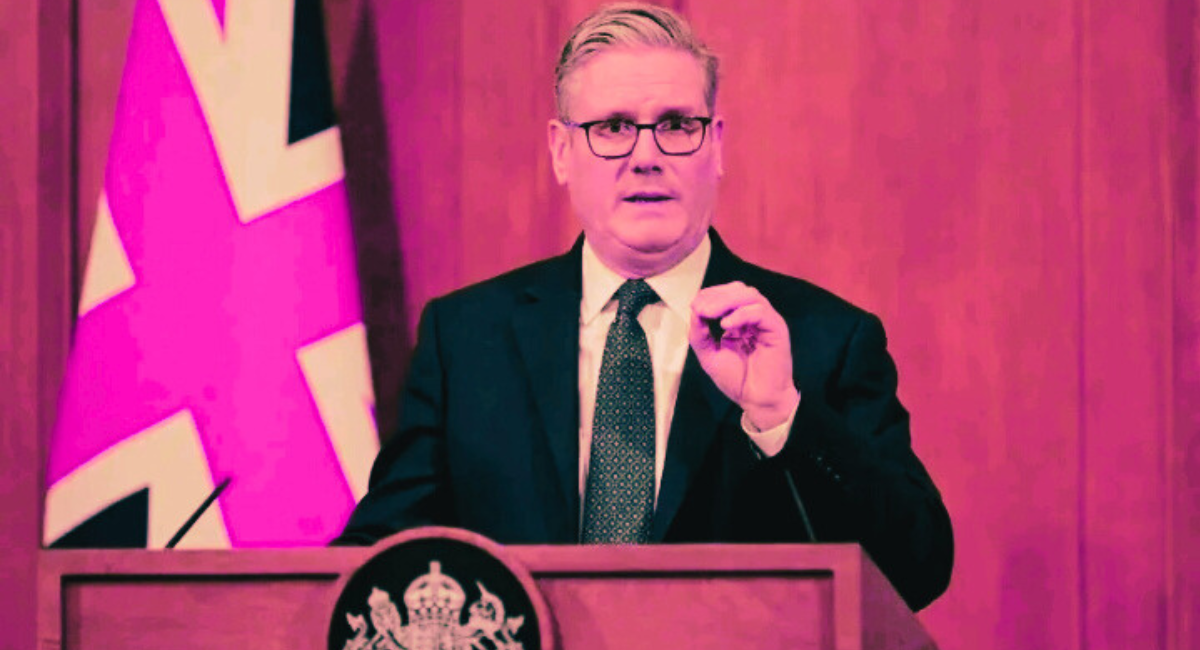
UK Will Not Join a Wider Middle East War, said Prime Minister Keir Starmer while speaking about the growing conflict linked to Iran. Britain wants stability and a quick end to tensions affecting global energy markets.
Table of Contents
Britain Signals Caution as Middle East Conflict Grows
The government of the United Kingdom has made its position clear. UK Will Not Join the Wider Middle East War despite rising pressure from international partners. Prime Minister Keir Starmer explained that the situation requires careful judgment and calm leadership.
The conflict linked to military action against Iran has increased tension across the Middle East. Several countries worry that the fighting could spread across the region. Britain wants to avoid actions that might expand the crisis.
Starmer said the UK will defend its national interests and protect allies when needed. However, the government does not want to be pulled into a large-scale regional war.
Pressure From the United States and Security Concerns
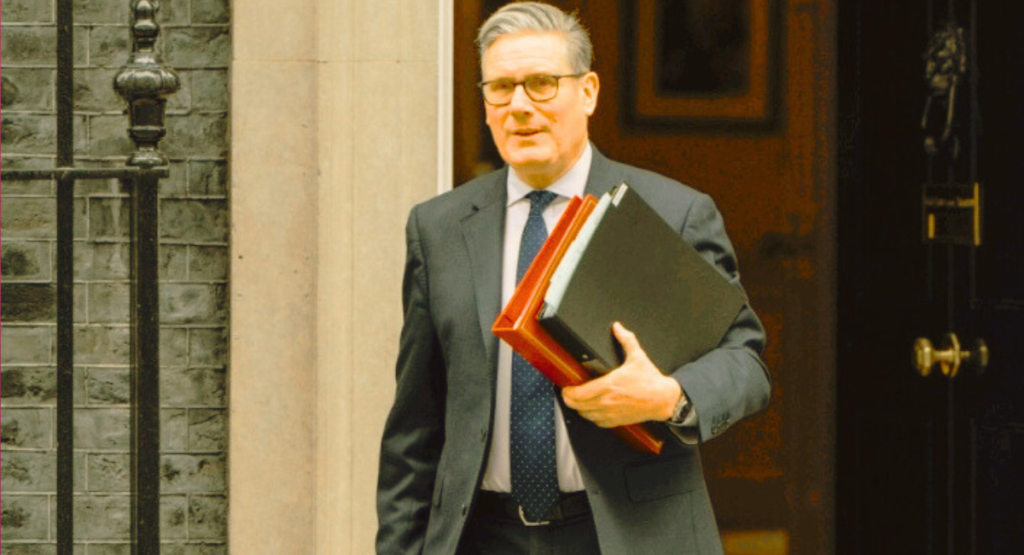
The debate intensified after Donald Trump urged allied countries to help secure shipping routes in the Gulf region. The key concern is the strategic waterway known as the Strait of Hormuz. This narrow route carries a large portion of the world’s oil supply.
Any disruption there could send global energy prices higher. That risk has pushed Western governments to discuss ways to protect ships and keep trade flowing.
The UK is reviewing several options. Officials have discussed sending naval ships or mine detection drones to help protect maritime traffic. Still, the government says discussions are ongoing, and no final decision has been made.
Energy Prices and Economic Impact
The conflict has already affected global energy markets. Oil prices rose quickly after fighting intensified. Higher fuel costs could eventually increase heating and electricity bills for many households.
To address this risk, the UK government announced financial support for families that depend on heating oil. Around £53 million in assistance will help households manage rising winter energy costs.
Starmer said the government will also monitor companies that try to unfairly increase prices. Authorities could take legal action against suppliers who exploit the crisis.
The prime minister admitted that predicting energy costs for the months ahead is difficult. The global situation may change quickly depending on how the conflict develops.
Diplomacy and Long Term Energy Plans
While military discussions continue, the British government still believes diplomacy is the best path forward. Starmer stressed that negotiations will eventually be needed to reduce tensions with Iran and restore stability.
He also warned that the conflict should not become an economic advantage for rivals such as Vladimir Putin. Energy disruptions could benefit countries seeking greater influence in global energy markets.
Alongside diplomatic efforts, Britain plans to strengthen its renewable energy strategy. Expanding wind and solar power would reduce reliance on imported fuel. Leaders believe this step will give the country more control over energy supply and pricing.
By building a stronger domestic energy system, the UK hopes to shield citizens from future global shocks.
Conclusion
UK Will Not Join a Wider Middle East War as Britain chooses caution and diplomacy. Leaders want stability in the region while protecting energy security and household finances during global uncertainty.
Frequently Asked Questions
1. Why did the UK say it will not join the wider Middle East war?
The UK government said it wants to avoid escalation in the region. Prime Minister Keir Starmer stated that Britain prefers diplomacy and stability instead of expanding the conflict linked to Iran.
2. Is the UK planning to send military forces to the Gulf?
The UK is discussing options with allies. These include protecting shipping routes in the Strait of Hormuz. However no final decision has been announced yet.
3. Why is the Strait of Hormuz important for global trade?
The Strait of Hormuz is one of the most important oil shipping routes in the world. A large amount of global oil supply passes through this narrow waterway.
4. How could the conflict affect energy prices?
Tensions in the Middle East can disrupt oil supply. When supply risks increase global oil prices usually rise which can lead to higher fuel and energy bills.
5. What support is the UK government offering households?
The government announced financial assistance for households that depend on heating oil. The support aims to reduce the burden of rising energy costs.

I am the founder and writer at Duniya Time.com, a news website focused on national and international news, social issues, and history. With a background in Islamic History, I write research-based articles in a clear and honest style. My goal is to share accurate information, thoughtful analysis, and meaningful stories that help readers stay informed and understand the world better.