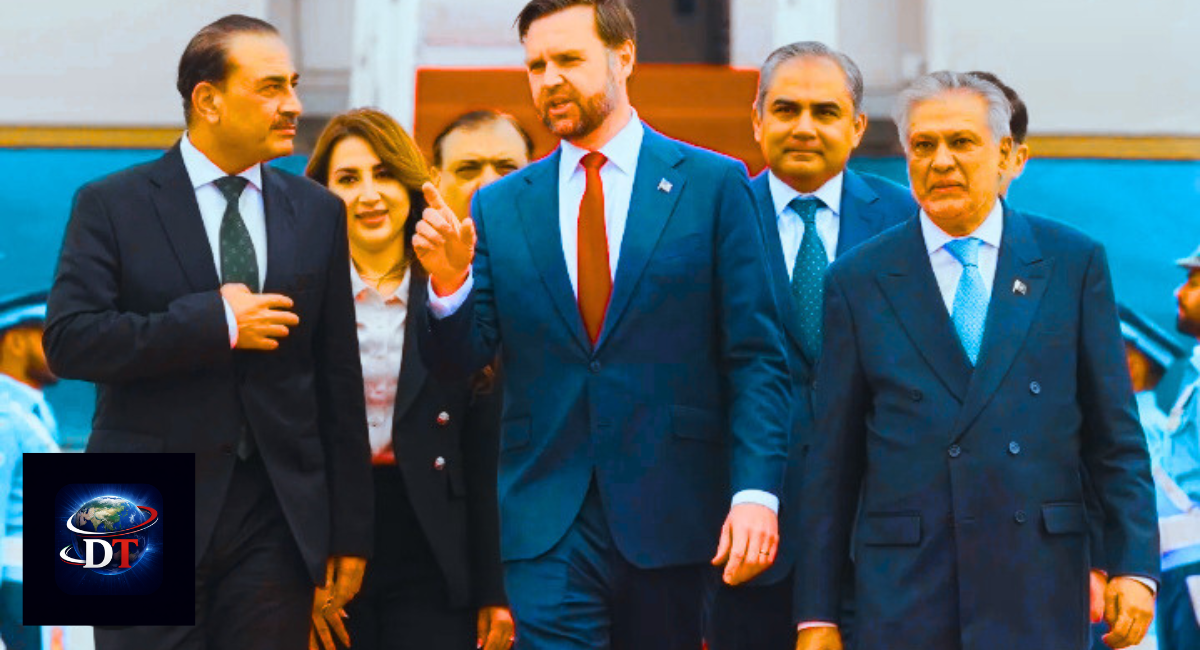
The US Iran talks in Islamabad gained global attention. After long negotiations, no deal was reached, yet dialogue continues and future talks may still lead to stability in the region.
Table of Contents
Historic meeting after decades
The recent dialogue marked one of the most important diplomatic contacts since the Iranian Revolution. For years, both nations avoided direct engagement. This meeting changed that pattern. Officials from both sides sat together and discussed critical issues. The effort itself was a strong signal that diplomacy is still possible even after decades of tension. Although the outcome was not successful, the meeting created a basis for future communication.
Why was no agreement reached?
US Iran talks with Islamabad did not produce a final deal, mainly due to deep differences. The United States wanted clear commitments on nuclear limits. Iran was not ready to accept all demands in one session. These gaps in expectations slowed progress. Negotiations often require time, and this round showed how complex such agreements can be.
US demands on nuclear issue
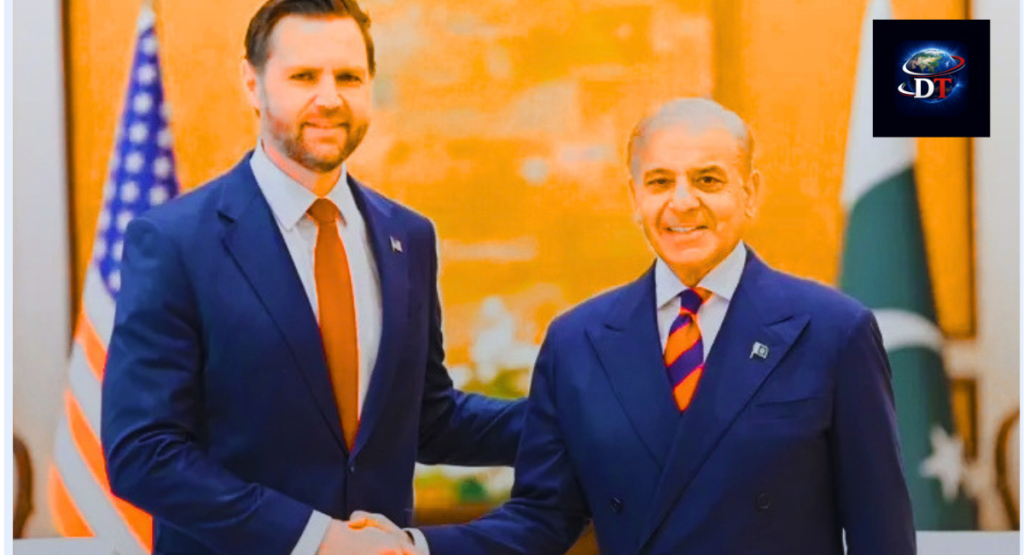
The US delegation focused on security concerns. JD Vance clearly stated that Iran must prove it will not build nuclear weapons. He emphasized the need for strong and verifiable steps. According to the US, trust can only grow when actions match promises. This firm stance shaped the direction of the talks.
Iran’s diplomatic response
Iran responded with a measured tone. Officials explained that expecting a full agreement in one meeting was unrealistic. Their approach is based on gradual negotiation. They showed willingness to continue discussions but avoided quick commitments. This strategy reflects long-term planning rather than short-term pressure.
Pakistan’s role as mediator
Pakistan played a central role in hosting and guiding the talks. Ishaq Dar appreciated both sides for choosing dialogue. He encouraged continued engagement for lasting peace. Islamabad provided a neutral platform where both countries could speak openly. This role improved Pakistan’s global diplomatic image.
Impact on regional stability
US Iran talks with Islamabad have a direct effect on the Middle East. The absence of a deal means uncertainty remains. Conflicts involving groups like Hezbollah continue to influence the situation. Stability in the region depends on successful negotiations between major powers.
Ceasefire remains under pressure
The current ceasefire is fragile. Ongoing military actions and mistrust make it difficult to maintain calm. Both sides accuse each other of not doing enough. This situation shows that peace agreements need strong follow-up actions to succeed.
Global energy concerns rise
The Strait of Hormuz plays a key role in global oil supply. Tensions in this area have affected energy markets worldwide. Any disruption can increase prices and create economic pressure. That is why US Iran talks with Islamabad are important beyond just politics. They also affect everyday life across the world.
Challenges in trust building
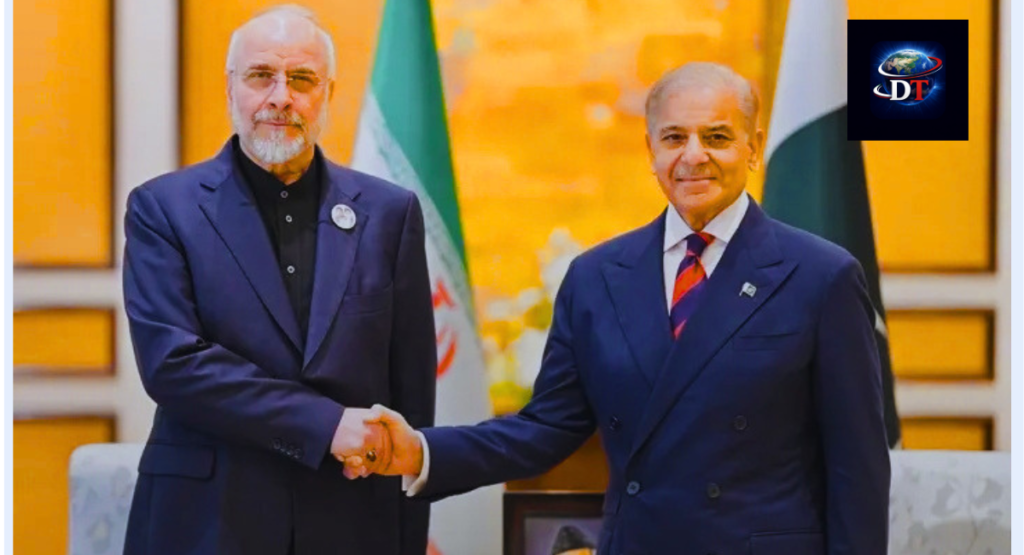
Trust remains the biggest barrier. Years of conflict have created deep suspicion. Each side wants guarantees before making compromises. Building confidence takes time and consistent effort. Without trust, even small agreements become difficult to achieve.
Future of diplomatic efforts
The US-Iran talks in Islamabad may not have ended with success, but they opened the door for future rounds. Experts believe that continued dialogue can reduce tensions. Backchannel communication and support from regional partners may help bridge gaps.
What lies ahead
The next phase will likely involve more meetings and smaller agreements. Step-by-step progress could lead to a larger deal in the future. Both countries understand that long-term peace requires patience and flexibility.
Conclusion
US Iran talks with Islamabad ended without a deal, but dialogue continues. With patience and further negotiations, both sides may still achieve peace and reduce tensions in the region.
FAQs
What are US Iran talks Islamabad?
These are high-level negotiations between the United States and Iran held in Islamabad to reduce tensions and explore a peace agreement.
Why did US Iran talks Islamabad fail?
The talks failed due to disagreements on nuclear commitments and lack of mutual trust between both sides.
Who led the US delegation in Islamabad?
JD Vance led the US delegation during the talks.
What was Iran’s position in the talks?
Iran stated that reaching a deal in one meeting was unrealistic and supported continued dialogue.
What role did Pakistan play in these talks?
Pakistan acted as a mediator and hosted the negotiations to support peace efforts.
How do these talks affect global oil markets?
Tensions linked to the Strait of Hormuz impact global oil supply, making these talks important for energy stability.
Will there be more US Iran talks in the future?
Yes, both sides are expected to continue discussions to reach a possible agreement over time.

I am the founder and writer at Duniya Time.com, a news website focused on national and international news, social issues, and history. With a background in Islamic History, I write research-based articles in a clear and honest style. My goal is to share accurate information, thoughtful analysis, and meaningful stories that help readers stay informed and understand the world better.