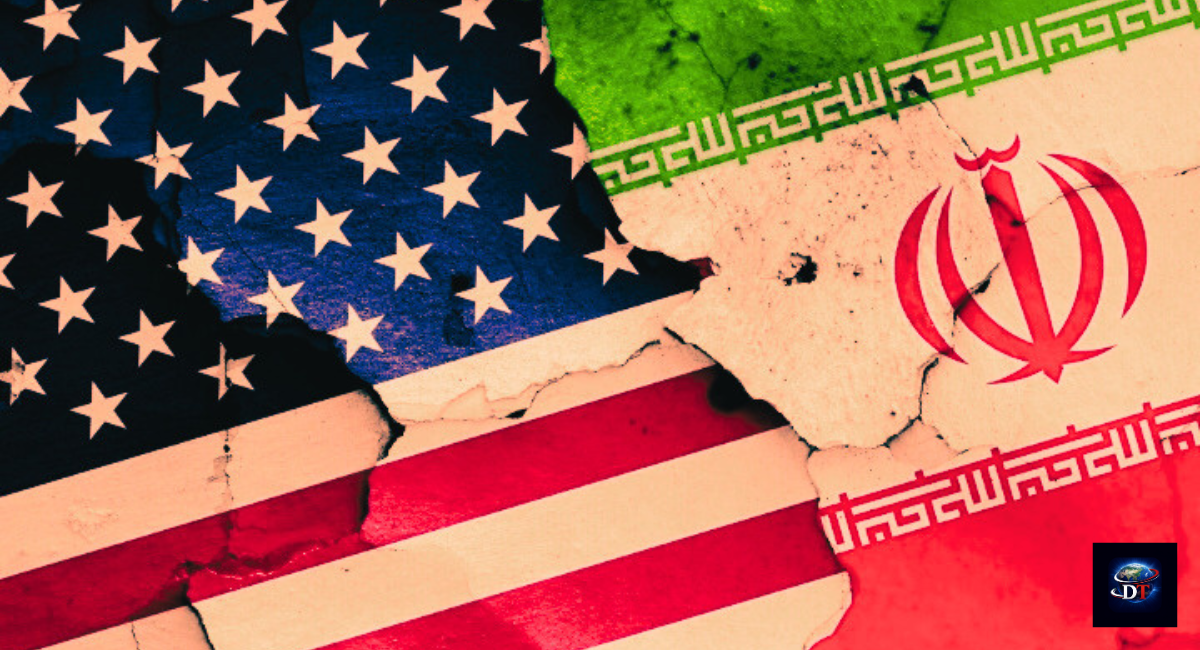
The US Iran War Escalation is now shaping a turning point in global politics. Tensions are no longer limited to airstrikes or warnings, they are moving toward direct confrontation.
The arrival of thousands of troops and new military plans suggest the conflict could expand quickly. This situation is raising serious concerns about regional stability and global security.
Table of Contents
US Iran War Escalation Signals New Military Strategy
The latest developments show a clear shift in military thinking. Reports indicate that the Pentagon is preparing for possible ground operations inside Iran. These operations may not be full-scale invasion but targeted missions using special forces.
Such strategies usually aim for quick impact. However, even limited actions can trigger wider conflict. That is why analysts are closely watching how this phase unfolds.
Growing US Military Presence in the Middle East
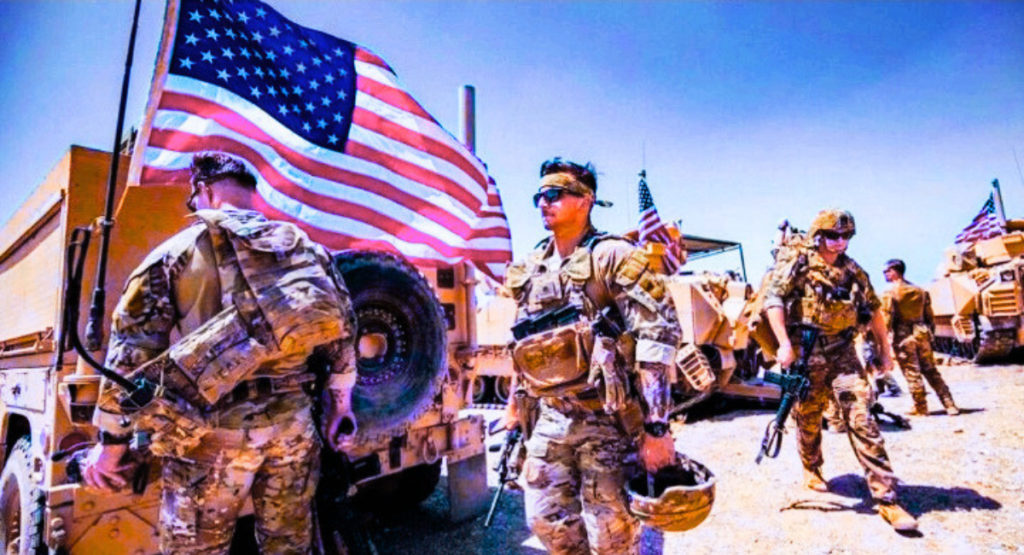
The deployment of around 3,500 additional American troops has intensified the situation. These forces are supported by naval assets, including amphibious ships.
The United States already maintains a strong presence in the region. Still, this increase signals readiness for rapid action. It also sends a message to both allies and adversaries that Washington is prepared for escalation if needed.
Political Divide in Washington
Inside the United States, leaders are not united on the issue. Some lawmakers support limited military action if clear goals are defined. Others strongly oppose any expansion without congressional approval.
This divide reflects experiences in Iraq and Afghanistan. Many fear that unclear objectives could lead to another prolonged conflict. The debate is becoming sharper as the situation evolves.
Iran’s Strong Warning and Response
Iran has reacted with strong language and clear threats. Officials have warned that any ground invasion will face severe retaliation.
Statements from Iranian leadership suggest they are prepared for direct confrontation. This increases the risk of miscalculation. Even a small incident could spiral into a larger war.
Strategic Importance of the Strait of Hormuz
One key concern in the conflict is the Strait of Hormuz. This narrow passage is critical for global oil supply.
Any disruption here could affect energy markets worldwide. Prices could rise sharply, impacting economies far beyond the Middle East. This makes the situation not just a regional issue but a global one.
Economic Impact of the Conflict
The financial cost of this conflict is already significant. Reports suggest that additional military funding requests could reach hundreds of billions of dollars.
At the same time, rising oil prices are putting pressure on consumers. Inflation risks are increasing, and markets are reacting with uncertainty. The longer the conflict continues, the deeper the economic impact will be.
Risk of a Larger Regional War
The involvement of multiple countries raises the stakes. Israel is already part of the conflict, and other regional powers are watching closely.
If alliances shift or new actors join, the conflict could expand rapidly. This would make it far more difficult to control and resolve.
Diplomatic Efforts and Challenges
Despite rising tensions, there are still calls for negotiation. Some experts believe that only diplomatic talks can prevent further escalation.
However, the gap between the positions of the United States and Iran remains wide. Trust is low, and both sides are holding firm to their demands. This makes any agreement difficult in the near term.
Public and Global Reaction
Public opinion is divided not only in the United States but globally. Some support strong action against perceived threats. Others warn against repeating past mistakes.
International organizations and leaders are urging restraint. They emphasize the need to avoid a conflict that could have long-lasting consequences.
Military Uncertainty and Strategic Risks
Even within military circles, there is uncertainty. Ground operations carry high risks, especially in a complex environment like Iran.
Urban terrain, strong defenses, and regional dynamics make any operation challenging. This adds another layer of unpredictability to the situation.
Conclusion
The US Iran War Escalation is entering a phase that could reshape global politics. The mix of military buildup, political division, and economic pressure is creating a volatile environment.
Without careful decisions and diplomatic efforts, this conflict risks becoming far more dangerous, affecting not just the region but the entire world.
Frequently Asked Questions
1. What is US Iran War Escalation?
US Iran War Escalation refers to increasing military, political, and strategic tensions between the United States and Iran, including troop deployments and possible ground operations.
2. Why is the US sending more troops to the Middle East?
The US is strengthening its military presence to prepare for potential operations, protect its interests, and respond to threats in the region.
3. Could this conflict turn into a full-scale war?
Yes, if tensions continue to rise and diplomacy fails, there is a real risk of a broader and more dangerous war.
4. How will this affect global oil prices?
Any disruption, especially in the Strait of Hormuz, can increase oil prices, impacting economies worldwide.
5. Is there any chance of peace talks?
There is always a possibility, but current positions of both countries make negotiations difficult at this stage.

I am the founder and writer at Duniya Time.com, a news website focused on national and international news, social issues, and history. With a background in Islamic History, I write research-based articles in a clear and honest style. My goal is to share accurate information, thoughtful analysis, and meaningful stories that help readers stay informed and understand the world better.