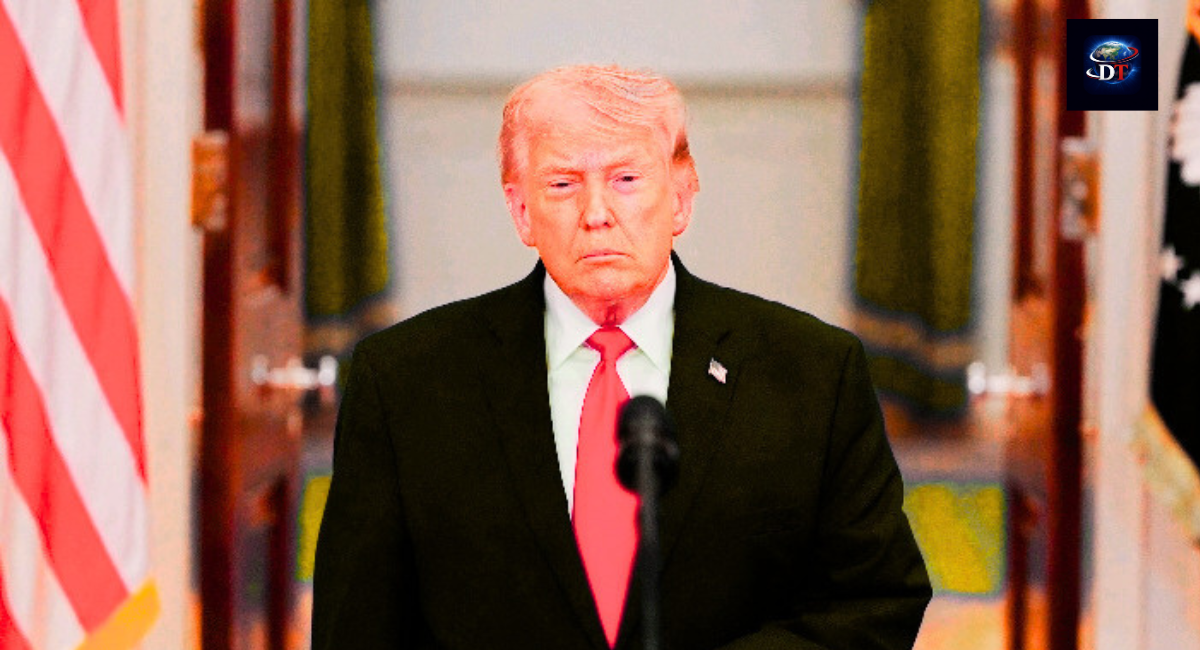
The Iran Ceasefire Deal Analysis highlights a tense moment in global politics, where diplomacy narrowly avoided escalation. A temporary pause now raises deeper questions about strategy, stability, and long-term consequences.
Table of Contents
Iran Ceasefire Deal Analysis: A Fragile Pause in Conflict
The recent agreement between the United States and Iran marks a critical turning point. This Iran Ceasefire Deal Analysis shows that while both sides stepped back from immediate confrontation, the situation remains unstable. A two-week pause is not peace, it is simply time to negotiate.
Tensions had reached a dangerous peak. Military threats, economic pressure, and global concern pushed both nations toward the edge. The ceasefire came just hours before a potential escalation, making it a high-stakes diplomatic move.
The Role of the Strait of Hormuz
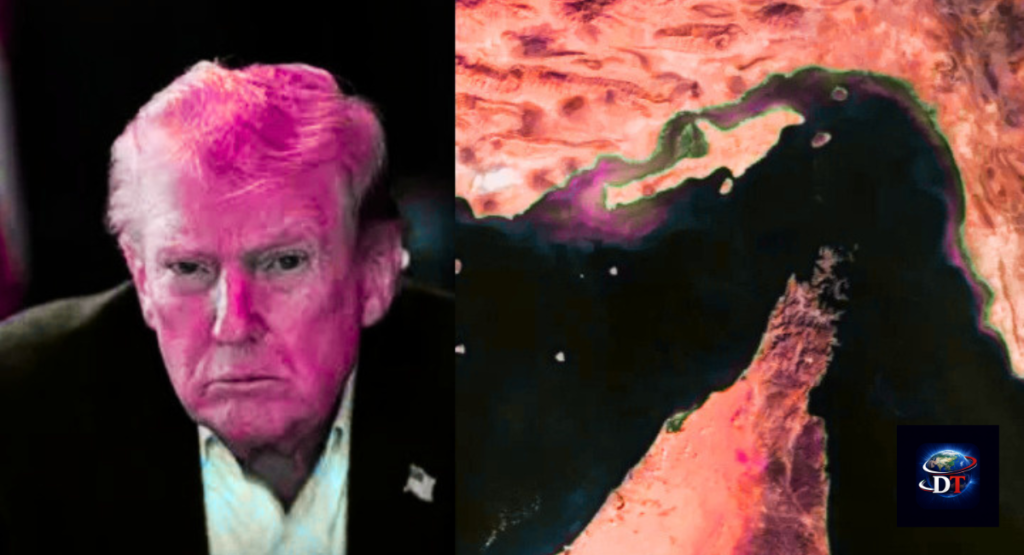
A major factor in the crisis was the Strait of Hormuz, one of the world’s most important oil transit chokepoints.
Any disruption here impacts global energy markets. Iran’s agreement to allow commercial shipping again helped calm fears of economic shock. However, its control over this route remains a powerful bargaining tool.
This highlights how geography continues to shape modern conflict and negotiations.
Trump’s Strategy Behind the Ceasefire
President Donald Trump used aggressive rhetoric and deadlines to pressure Iran. His approach focused on maximum leverage, combining military readiness with public threats.
Supporters argue this tactic worked. Iran showed willingness to pause hostilities and reopen key trade routes. Critics, however, believe such language risks long-term damage to global trust.
This Iran Ceasefire Deal Analysis suggests that the strategy achieved short-term results, but may carry deeper diplomatic costs.
Political Reactions Inside the United States
The response in Washington was sharply divided. Members of both parties voiced concerns over the president’s tone and approach.
Figures like Chuck Schumer criticized the handling of the crisis, warning about potential consequences. Even some Republicans expressed unease, showing rare internal disagreement.
This division reflects a broader debate about America’s role in global conflicts and how far leaders should go to achieve results.
Iran’s Position and Demands
Iran did not agree to the ceasefire without conditions. Officials signaled expectations that go far beyond a temporary pause.
These include sanctions relief, reduced military presence in the region, and compensation for damages. While not all demands are likely to be accepted, they set the stage for difficult negotiations ahead.
This Iran Ceasefire Deal Analysis makes it clear that both sides are entering talks with very different expectations.
Military Impact and Strategic Gains
Recent strikes weakened parts of Iran’s military infrastructure. Several key figures were reportedly eliminated, affecting command structures.
However, the broader picture is more complex. Iran still maintains influence through regional allies and proxy groups. Its strategic capabilities are reduced, but not eliminated.
This balance of power ensures that negotiations will remain tense and unpredictable.
Global Perception of US Leadership
The crisis has reshaped how many countries view the United States. Once seen as a stabilizing force, recent actions have raised concerns about unpredictability.
Allies are watching closely. Some may question long-term partnerships, while others may adapt to a more assertive American approach.
This Iran Ceasefire Deal Analysis suggests that perception matters as much as policy in international relations.
Economic Impact of the Ceasefire
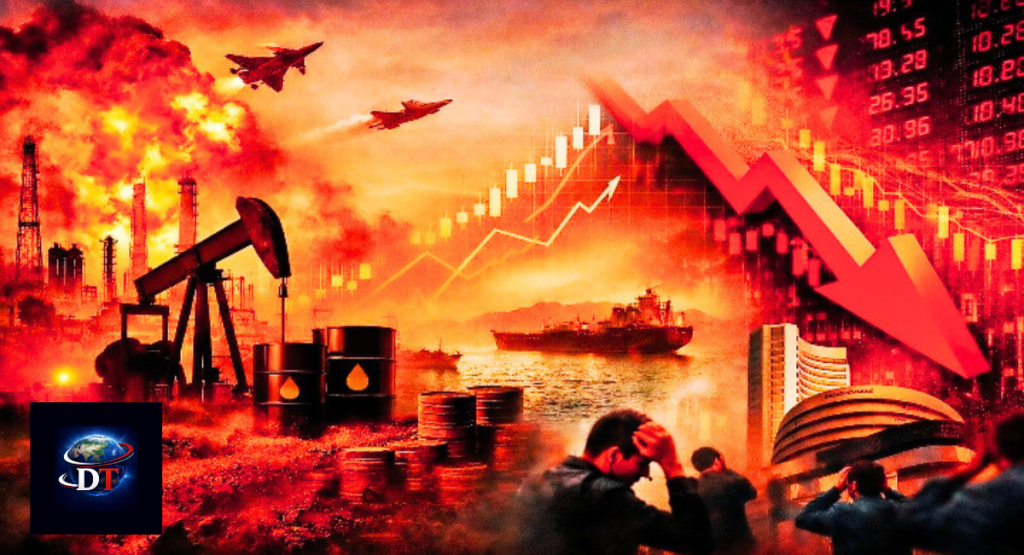
Markets reacted quickly to the news. Oil prices showed signs of stabilization after fears of disruption.
Reopening trade routes reduced to supply chains. However, uncertainty remains. Any failure in negotiations could trigger renewed volatility.
Businesses and governments are now closely monitoring every development.
Challenges in the Upcoming Negotiations
The next two weeks will be critical. Key issues include nuclear activity, regional influence, and economic sanctions.
Reaching a lasting agreement will require compromise from both sides. Given the current tensions, that will not be easy.
This Iran Ceasefire Deal Analysis indicates that even small disagreements could derail progress.
Is This a Real Victory or Just a Delay?
For now, the ceasefire can be seen as a tactical win for the US administration. It prevented immediate conflict and opened the door for talks.
But the bigger question remains unanswered. Can this pause turn into lasting peace, or is it only delaying another crisis?
History shows that temporary agreements often collapse without strong follow-through.
Conclusion
The Iran Ceasefire Deal Analysis reveals a short-term breakthrough shaped by pressure and urgency. While conflict was avoided, lasting peace depends on complex negotiations, mutual trust, and careful diplomacy in the days ahead.
Frequently Asked Questions
What is the Iran Ceasefire Deal Analysis?
Iran Ceasefire Deal Analysis refers to a detailed review of the temporary agreement between the United States and Iran to pause conflict and allow negotiations.
What does US stand for in the Iran conflict?
US stands for United States, the country involved in diplomatic and military tensions with Iran.
What is the role of the Strait of Hormuz (SOH)?
Strait of Hormuz (SOH) is a key global oil shipping route, and its control is central to the Iran conflict.
What does NATO stand for and is it involved?
NATO stands for North Atlantic Treaty Organization. While not directly involved, its member countries monitor the situation closely.
What is the meaning of GDP in this context?
GDP stands for Gross Domestic Product. Any disruption in oil trade due to conflict can affect global GDP.
What does UN say about Iran ceasefire?
UN stands for United Nations. It generally supports peaceful negotiations and reduction in conflict.
What is the impact of the Iran Ceasefire Deal Analysis on global oil markets?
Iran Ceasefire Deal Analysis shows that easing tensions helps stabilize oil prices and reduces risks to global supply chains.

I am the founder and writer at Duniya Time.com, a news website focused on national and international news, social issues, and history. With a background in Islamic History, I write research-based articles in a clear and honest style. My goal is to share accurate information, thoughtful analysis, and meaningful stories that help readers stay informed and understand the world better.