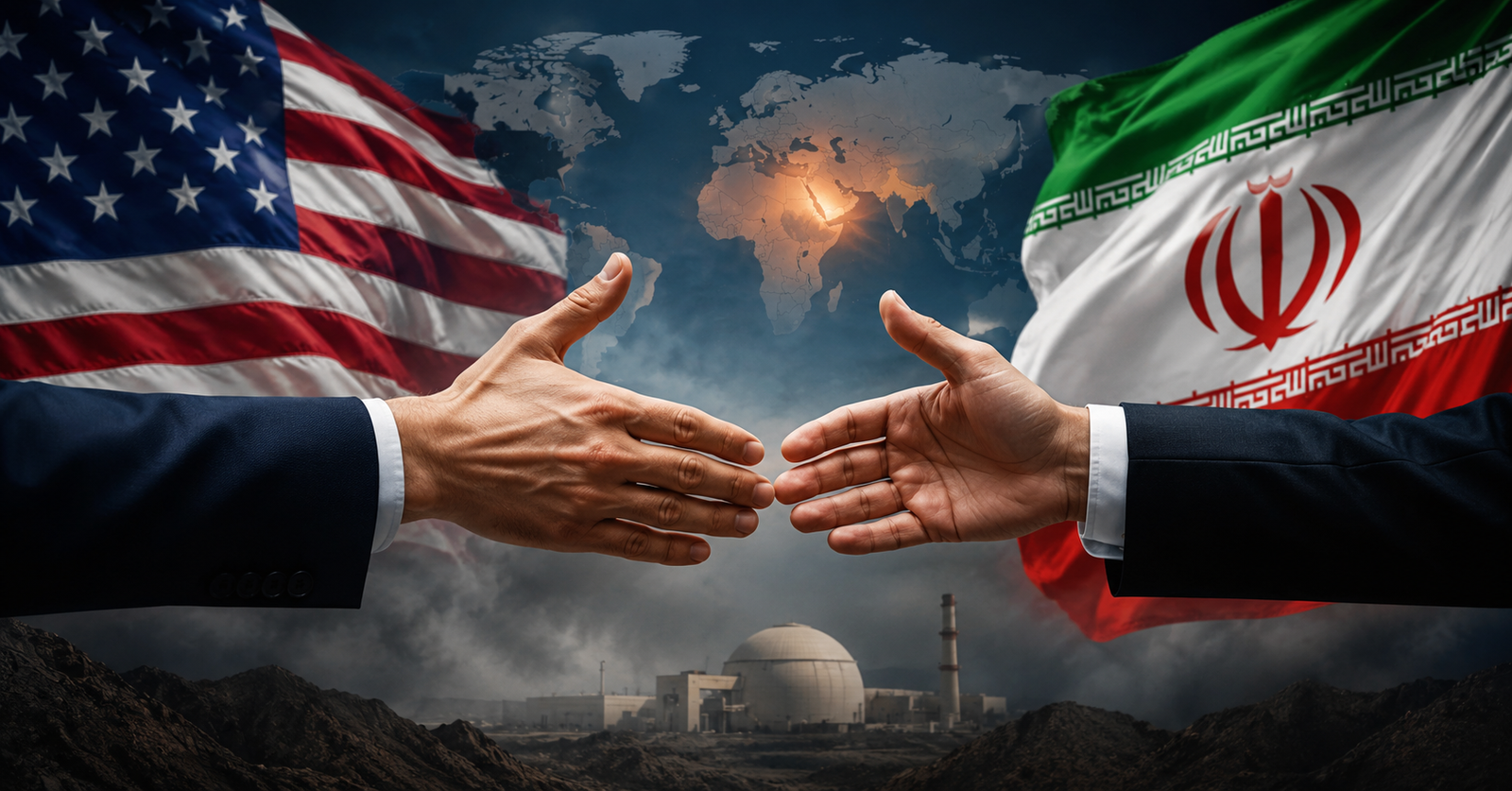
US open to negotiations with Iran, but Tehran is not showing enough seriousness to make meaningful diplomatic progress, US Secretary of State Marco Rubio said as tensions and military confrontations between Washington and Tehran continue to increase.
Rubio said the United States remains willing to engage in negotiations if Iran is prepared to honour its commitments. However, he accused Tehran of failing to show the level of seriousness needed for talks to move forward. His comments came as the conflict continued to affect regional security, international shipping and global energy markets.
Table of Contents
Rubio Repeats US Commitment to Talks
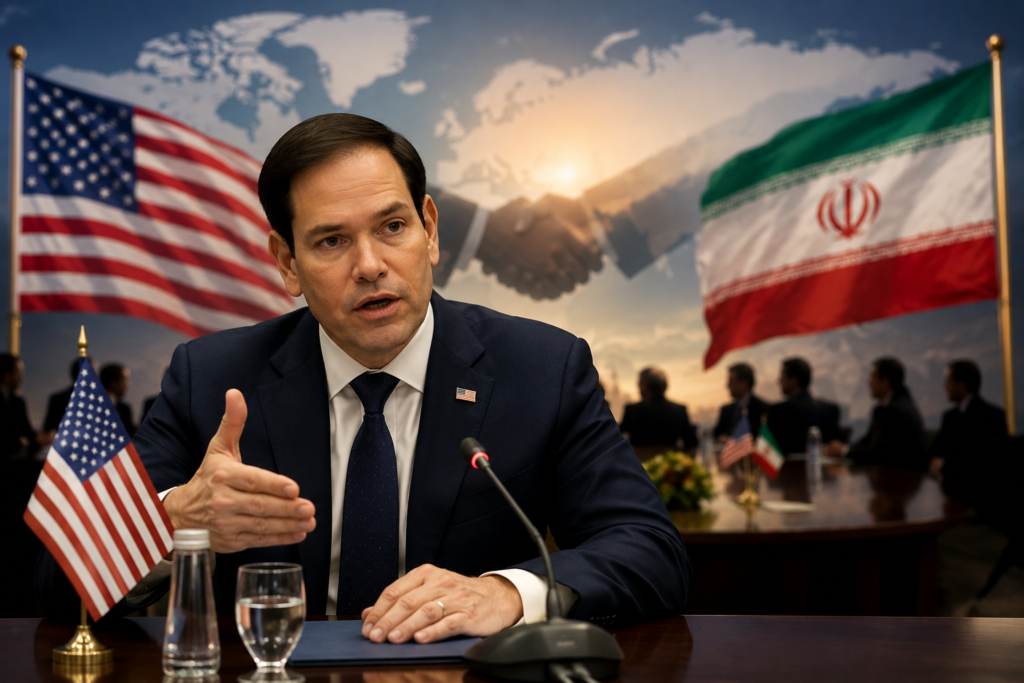
The United States remains open to negotiations with Iran, according to Secretary of State Marco Rubio. Speaking during a meeting with Southeast Asian foreign ministers in Manila, Rubio said Washington was still willing to engage in positive and constructive discussions.
However, he made it clear that the US expects Iran to follow through on any commitments made during negotiations. Rubio argued that diplomacy cannot succeed if one side agrees to commitments but later fails to honour them.
Tehran Accused of Lacking Seriousness
Rubio said the main problem is that Iran is not serious about talks. His comments reflect the growing gap between Washington and Tehran, with both sides continuing to disagree over security, military activities and regional issues.
According to Rubio, the United States is prepared to negotiate if Iran demonstrates genuine commitment. He also warned that Washington would take action to protect its interests and those of its allies if diplomatic commitments were not respected.
Strait of Hormuz Remains Key Issue
The Strait of Hormuz remains one of the most important points of disagreement between the two countries. The waterway is a major route for global energy shipments, and any disruption can affect oil supplies, shipping costs and international markets.
Rubio strongly criticised the idea of one country controlling an international waterway and imposing restrictions on commercial ships. He warned that allowing such a precedent could create wider security problems in other regions of the world.
Conflict Continues Despite Diplomatic Signals
The latest diplomatic statements have come while military tensions remain high. The United States has continued military operations against Iranian targets, while Iran has responded with attacks against US and allied positions in the region.
This creates a difficult situation for diplomacy. On one side, Washington says it remains open to negotiations. On the other side, military operations and threats continue, making it harder for both countries to build trust or establish a stable negotiating process.
US Says Commitments Must Be Honoured
A major part of Rubio’s message was the importance of keeping agreements. He said the United States would remain willing to engage in talks as long as commitments made during negotiations were respected.
The US position suggests that future negotiations could depend on clear guarantees and practical actions. Statements alone may not be enough to rebuild trust between Washington and Tehran after months of military confrontation and political tension.
Iran And US Face Major Disagreements
The two countries continue to disagree over several major issues. These include Iran’s military activities, regional alliances, the security of international shipping routes and the future of nuclear and missile-related negotiations.
The United States wants Iran to accept restrictions and commitments linked to its security policies. Tehran, meanwhile, has repeatedly opposed pressure that it considers a threat to its sovereignty. These differences make any future talks extremely difficult.
Regional Shipping Faces New Pressure

The wider conflict is also creating problems for international shipping. Threats linked to the Red Sea and the Strait of Hormuz have forced some commercial vessels to change routes or take additional security precautions.
The disruption of major shipping routes can increase transportation costs and create uncertainty for global energy markets. Oil prices have also reacted to concerns about possible interruptions to supplies from the Middle East.
Diplomacy Still Has A Narrow Chance
Despite the continuing conflict, Rubio’s comments indicate that the diplomatic door has not been completely closed. The United States says it is still ready to negotiate if Iran demonstrates a serious commitment to the process.
For diplomacy to succeed, however, both sides would need to reduce the gap between their public statements and actions. Continued military strikes could make negotiations more difficult, while a clear commitment to talks could create space for a new diplomatic effort.
What Could Happen Next
The future of US-Iran relations will depend on whether both sides can find a way to reduce military tensions and return to meaningful discussions. Rubio’s remarks show that Washington still sees negotiations as a possible option, but it is also prepared to continue protecting its strategic interests.
For Iran, the challenge will be finding a diplomatic path that protects its interests while avoiding further escalation. For the United States, the challenge will be convincing Tehran that negotiations can produce reliable and lasting commitments.
Conclusion
US open to negotiations with Iran signals that diplomacy remains possible despite rising tensions. However, Rubio’s criticism shows that Washington believes Tehran must take concrete steps before talks can make real progress. With conflict affecting security and energy routes, future negotiations could be crucial for regional stability.
FAQs
Is the US open to negotiations with Iran?
Yes. The United States has said that it remains open to negotiations with Iran if Tehran is willing to engage seriously and honour its commitments.
What did Marco Rubio say about Iran?
Marco Rubio said that the United States remains open to diplomacy, but he questioned whether Iran is serious about negotiations and warned that commitments made during talks must be respected.
Why are US and Iran struggling to reach an agreement?
The two countries have major disagreements over security, military activities, regional issues and international shipping routes. These differences have made diplomatic progress difficult.
Does US open to negotiations with Iran mean a deal is close?
No. The statement shows that diplomacy remains possible, but it does not mean that a new agreement is close. Both sides still face serious disagreements.
Why is the Strait of Hormuz important in US Iran tensions?
The Strait of Hormuz is a major international shipping route and an important passage for global energy supplies. Any disruption could affect shipping and energy markets.
What does the US want from Iran?
The United States wants Iran to make reliable commitments on key security and regional issues and to honour any agreements reached through negotiations.
What does Iran want from the United States?
Iran has traditionally demanded respect for its sovereignty and opposes pressure that it considers a threat to its national interests. Tehran also seeks protection for its own security and political positions.
Can future negotiations reduce US Iran tensions?
Yes, negotiations could help reduce tensions if both sides show genuine commitment to diplomacy. However, continued military actions and a lack of trust could make progress difficult.
Can future negotiations reduce US Iran tensions?
Successful negotiations could help reduce the risk of wider conflict, improve regional security and protect important international shipping routes.

I am the founder and writer at Duniya Time.com, a news website focused on national and international news, social issues, and history. With a background in Islamic History, I write research-based articles in a clear and honest style. My goal is to share accurate information, thoughtful analysis, and meaningful stories that help readers stay informed and understand the world better.