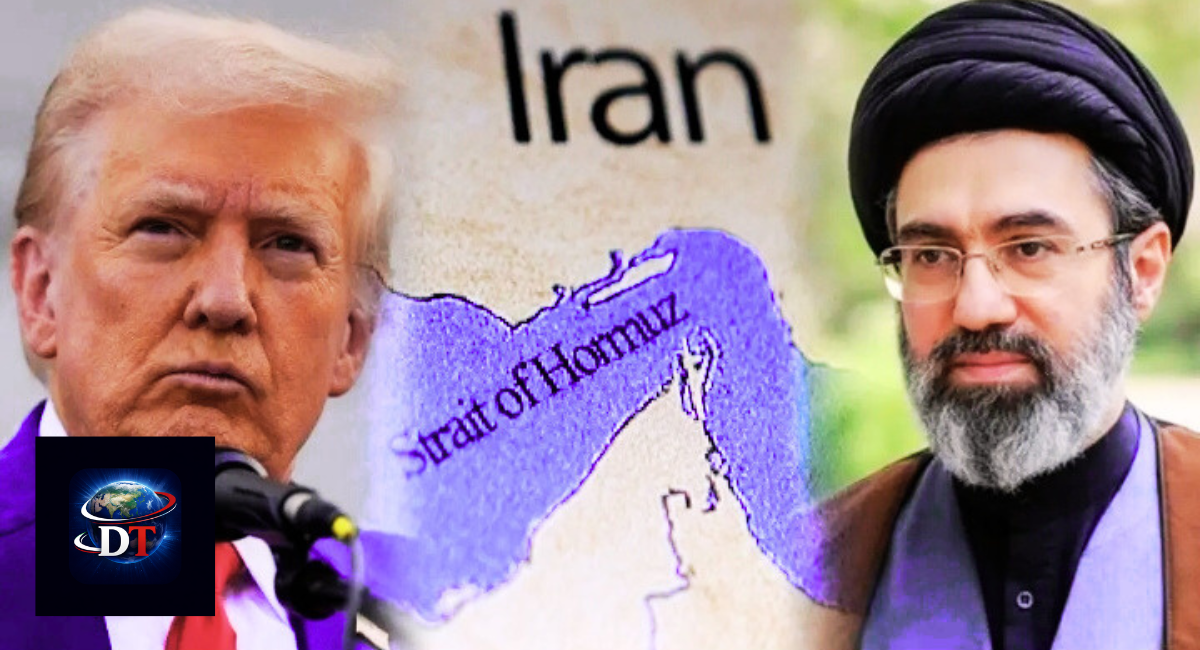
Trump’s Iran ceasefire talks are once again in focus as global attention shifts to fragile diplomacy. The current situation shows how uncertain peace efforts remain, despite pressure to avoid further escalation.
Table of Contents
Trump Iran Ceasefire Talks and Rising Tensions
The latest developments around the Trump’s Iran ceasefire talks highlight a complex and fragile moment in global politics. While a temporary pause in conflict has been discussed, trust between the parties remains extremely low. Both sides appear cautious, signaling that deeper issues still stand unresolved.
Diplomatic language may sound hopeful, but actions on the ground often tell a different story. The situation continues to evolve, keeping the international community on edge.
A Ceasefire Filled with Doubts
The proposed ceasefire has faced challenges from the very beginning. Reports suggest disagreements over its terms, raising concerns about how long it can realistically hold.
Even before full implementation, violations and conflicting statements weakened its credibility. This shows how difficult it is to achieve stability when both sides remain deeply suspicious of each other’s intentions.
Why Peace Talks Remain Fragile
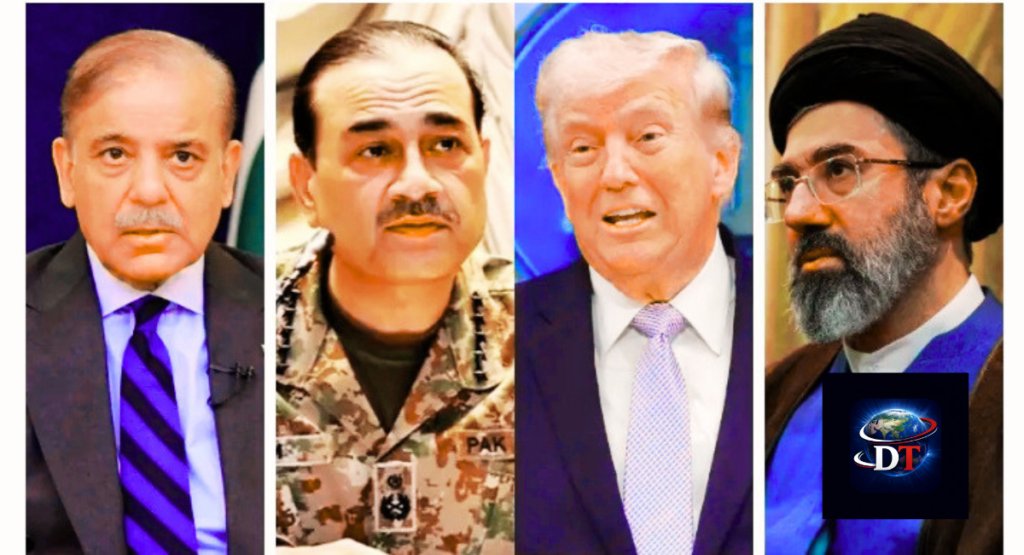
Peace negotiations are never easy, especially in conflicts with a long history of mistrust. In this case, multiple political and military factors complicate progress.
Leaders may agree to talk, but their internal pressures often limit flexibility. Public opinion, strategic goals, and regional alliances all play a role in shaping decisions.
The Shadow of the 2018 Nuclear Deal Exit
One major reason behind current tensions is the earlier withdrawal from the nuclear agreement. When former US leadership stepped away from that deal, it reshaped the entire diplomatic landscape.
The movement was seen differently across the world. Some supported it, while others believed it removed a key pathway to stability. Its impact is still visible today.
Conflicting Signals from Both Sides
Uncertainty has been a defining feature of the situation. At times, one side signals readiness for talks, while the other raises conditions or concerns.
This back-and-forth approach creates confusion and delays meaningful progress. It also makes it difficult for mediators to build momentum toward a lasting agreement.
The Role of International Pressure
Global powers and organizations are closely watching these developments. Many are encouraging dialogue to prevent a wider conflict.
Diplomatic pressure can help bring parties to the table, but it cannot guarantee results. Ultimately, success depends on the willingness of those directly involved.
Risks of Further Escalation
Without a stable agreement, the risk of escalation remains high. Any small incident could quickly spiral into a larger conflict, affecting not just the region but the entire world.
Economic impacts, security concerns, and humanitarian issues all increase when tensions rise. This is why even small diplomatic steps are considered important.
Can Diplomacy Replace Conflict?
Despite the challenges, diplomacy remains the only realistic path forward. Military solutions may provide short-term results, but they rarely bring lasting peace.
Serious negotiations require patience, compromise, and trust-building. These elements take time, especially in deeply rooted conflicts.
Expectations vs Reality
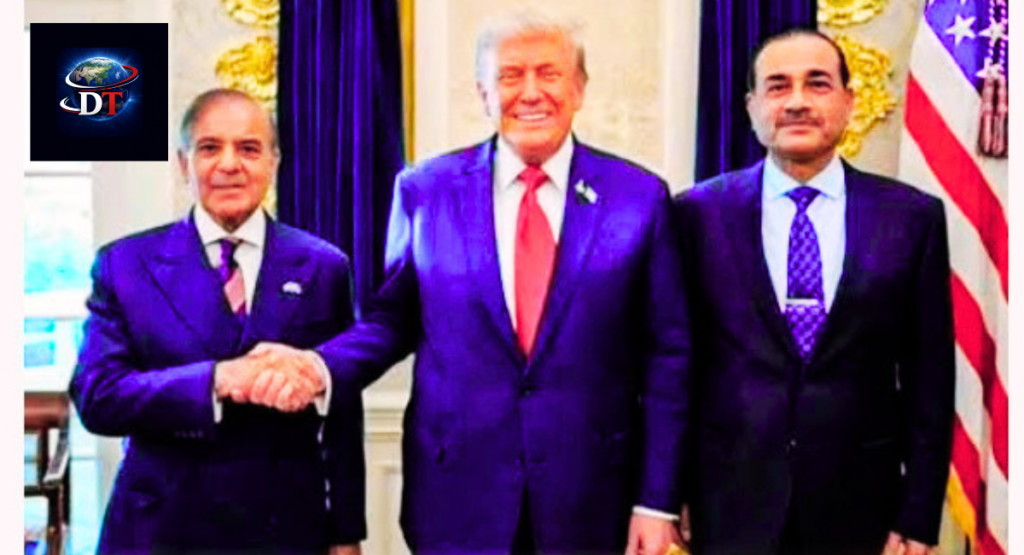
Optimistic predictions often clash with ground realities. While leaders may speak of quick agreements, the actual process is slow and uncertain.
In the case of Trump’s Iran ceasefire talks, expectations of a rapid peace deal seem unlikely. The gaps between both sides are still significant.
What Comes Next
The coming weeks will be critical. Whether talks continue or collapse will depend on how both sides handle ongoing tensions.
Observers believe that even starting sustained dialogue would be a meaningful step. It could open the door to more structured negotiations in the future.
Conclusion
The Trump’s Iran ceasefire talks reflect a delicate moment in global diplomacy. While challenges remain, continued dialogue offers a small but important hope for reducing tensions and avoiding further conflict.
Frequently Asked Questions
What are Trump Iran ceasefire talks?
Trump Iran ceasefire talks refer to diplomatic efforts aimed at reducing tensions and stopping conflict through negotiation and temporary agreements.
Why are Trump Iran ceasefire talks important?
These talks are important because they can prevent escalation, reduce global risks, and create a path toward long-term peace.
What challenges do Trump Iran ceasefire talks face?
Major challenges include mistrust, political pressure, disagreement on terms, and past conflicts affecting current decisions.
Is a permanent peace deal possible?
A permanent deal is possible but unlikely in the short term due to complex political and strategic differences.
How does the 2018 decision impact current talks?
The withdrawal from the nuclear agreement in 2018 created tension and made future negotiations more difficult.
What role do global powers play in these talks?
Global powers encourage dialogue, apply diplomatic pressure, and sometimes act as mediators.
What could happen if talks fail?
If talks fail, tensions could rise further, increasing the risk of conflict and global instability.

I am the founder and writer at Duniya Time.com, a news website focused on national and international news, social issues, and history. With a background in Islamic History, I write research-based articles in a clear and honest style. My goal is to share accurate information, thoughtful analysis, and meaningful stories that help readers stay informed and understand the world better.