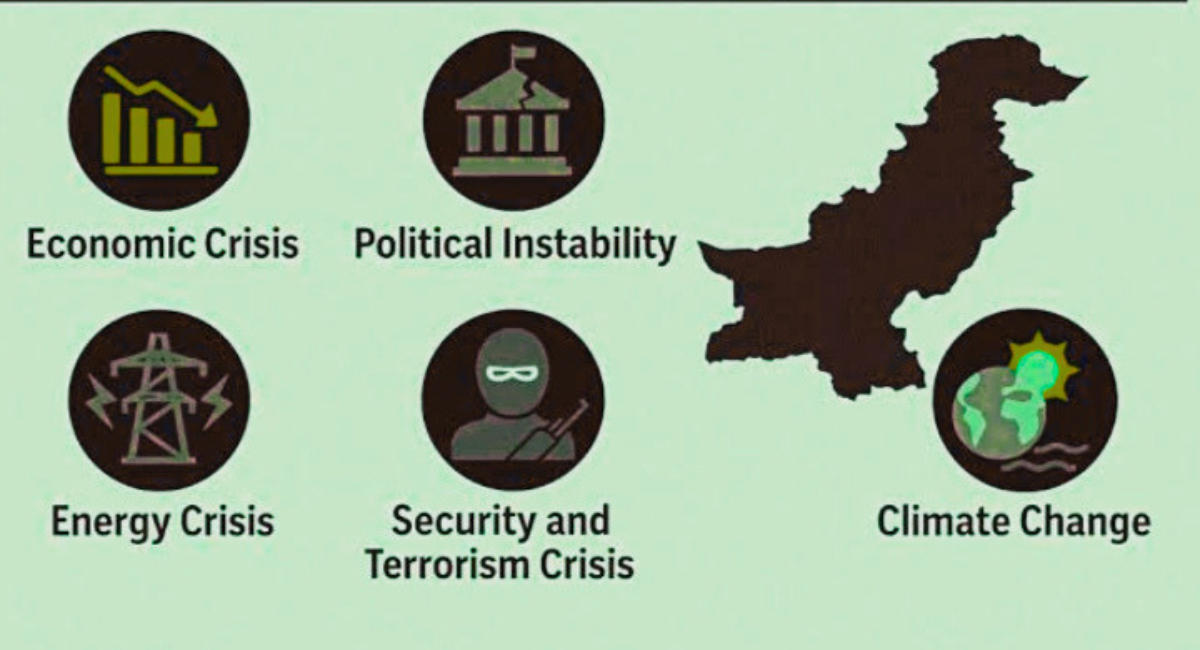
Pakistan Progress is gaining global attention as leadership highlights unity, security, and development. Despite challenges like external threats and misinformation, the country continues moving toward stability and long term growth.
Table of Contents
National unity and stability
Pakistan’s strength lies in its unity. Leadership continues to emphasize that internal cohesion is the backbone of national survival. When citizens stand together, external pressure loses impact. Stability is not only about security forces but also about social harmony. Political differences, economic concerns, and regional issues must be managed through dialogue and cooperation. The idea behind Pakistan Progress is deeply connected to unity, because without collective strength, even strong institutions struggle. A stable society supports development, attracts investment, and improves global image, making unity a practical necessity rather than just a slogan.
Role of armed forces
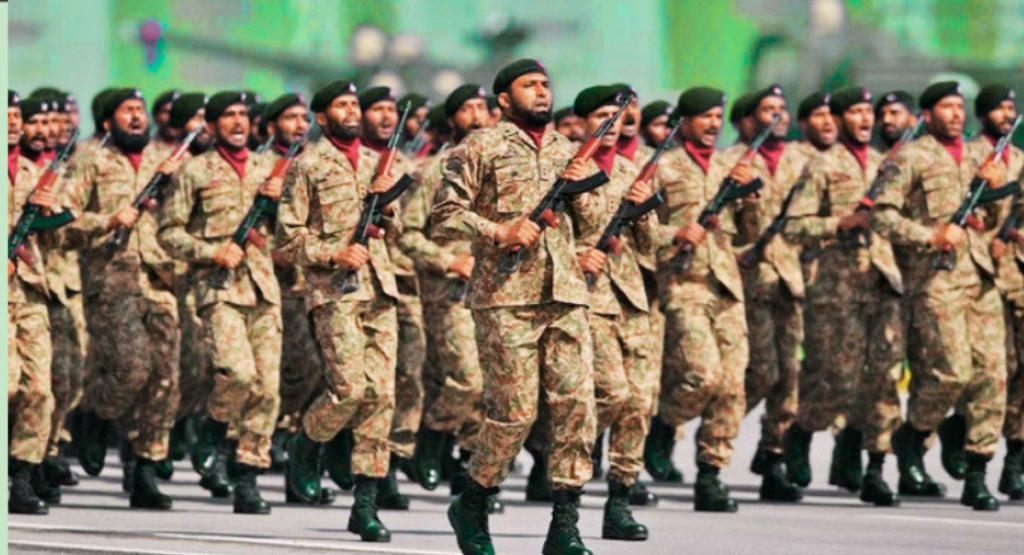
The armed forces remain central in maintaining national security. Their role goes beyond borders, including counter terrorism and internal stability. Recent statements highlight their commitment to eliminating threats in all forms. Pakistan Progress depends heavily on this security framework, because peace creates space for development. Military professionalism, training standards, and operational readiness are often highlighted as key strengths. At the same time, coordination with civil institutions is equally important. Modern defense strategies require not just force but planning, intelligence, and adaptability to ensure long term safety.
Impact of external threats
External challenges have always tested Pakistan’s resilience. From misinformation campaigns to proxy conflicts, these threats aim to create instability. However, leadership insists such efforts cannot stop Pakistan Progress. The country has faced similar situations before and adapted over time. External pressure often increases internal awareness, pushing institutions to strengthen themselves. Strategic patience and measured responses are key in dealing with such threats. Instead of reacting emotionally, a calculated approach helps maintain balance and prevents escalation, ensuring that national interests remain protected.
Fight against terrorism
Counter terrorism remains a top priority. Operations across different regions have reduced major threats, though challenges still exist. The focus now is on completely eliminating networks and preventing their return. Pakistan Progress is closely linked to this effort because security directly impacts economic and social development. The approach is no longer only military, it includes intelligence sharing, community involvement, and policy reforms. Long term success depends on addressing root causes such as poverty and lack of education, ensuring that extremism does not find space to grow again.
Development in Balochistan
Balochistan holds strategic and economic importance. Efforts are being made to improve infrastructure, education, and public welfare in the region. Leadership has stressed that sustainable peace comes from development, not just security measures. Pakistan Progress in this province requires a people centered approach. Projects focusing on roads, schools, and healthcare aim to improve daily life. At the same time, building trust between the state and local communities is essential. When people feel included and supported, stability naturally improves, reducing the chances of unrest.
Importance of governance
Good governance plays a major role in national progress. Transparent systems, accountability, and efficient administration help build public trust. Without strong governance, even the best policies fail in execution. Pakistan Progress depends on institutions that deliver results to citizens. Reforms in public sectors, digitalization, and anti corruption measures are steps in the right direction. Governance is not only about policies but also about implementation. When services reach people effectively, confidence in the system increases, leading to a more stable and productive society.
Modern warfare challenges
The nature of warfare is rapidly changing. Technology now plays a major role, including cyber systems, drones, and artificial intelligence. Military leadership has highlighted the need to stay updated with these changes. Pakistan Progress in defense requires investment in modern tools and training. Traditional methods alone are no longer enough. Multi domain operations demand coordination across air, land, sea, and digital spaces. Preparing for future conflicts means understanding these evolving threats and developing strategies that match global standards.
Role of technology growth

Technology is not limited to defense, it impacts every sector. From communication to education, digital transformation is shaping modern societies. Pakistan Progress is linked with adopting new technologies that improve efficiency and connectivity. Government initiatives in digital services, online systems, and innovation hubs are steps toward modernization. Technology also creates opportunities for youth employment and entrepreneurship. However, it requires proper planning, investment, and training to fully benefit from it. A balanced approach ensures that growth remains inclusive and sustainable.
Public support and trust
Public trust is essential for any national strategy to succeed. When people believe in institutions, they are more likely to cooperate and contribute. Leadership often highlights the importance of citizen support in achieving Pakistan Progress. Trust is built through transparency, fairness, and consistent performance. It cannot be demanded, it must be earned over time. Public engagement, open communication, and addressing concerns honestly help strengthen this relationship. A nation moves forward when its people feel heard and valued.
Future outlook of Pakistan
The future depends on how current challenges are handled. With the right balance of security, governance, and development, Pakistan Progress can continue steadily. There are opportunities in regional trade, technology, and human resources. At the same time, risks such as economic pressure and geopolitical tensions remain. Careful planning and long term vision are needed to navigate this path. If institutions stay aligned and focused, the country can move toward stability and growth, turning challenges into opportunities.
Conclusion
Pakistan Progress reflects resilience, unity, and a clear direction toward stability, showing that challenges exist but do not define the nation’s future.
FAQs
What is Pakistan Progress?
Pakistan Progress refers to the country’s efforts toward stability, development, and national growth through security and governance.
Why is national unity important for Pakistan?
Unity strengthens internal stability and helps the country face external challenges effectively.
What role does the army play in Pakistan Progress?
The army ensures security, fights terrorism, and supports stability which allows development to continue.
Why is Balochistan important for Pakistan’s future?
Balochistan is key for economic growth, resources, and regional connectivity, making it vital for long term development.
How is technology shaping Pakistan’s defense strategy?
Modern warfare now includes cyber systems, drones, and AI, making technology essential for national security.
Can external threats stop Pakistan Progress?
Leadership believes that unity and resilience prevent external threats from disrupting national growth.

I am the founder and writer at Duniya Time.com, a news website focused on national and international news, social issues, and history. With a background in Islamic History, I write research-based articles in a clear and honest style. My goal is to share accurate information, thoughtful analysis, and meaningful stories that help readers stay informed and understand the world better.