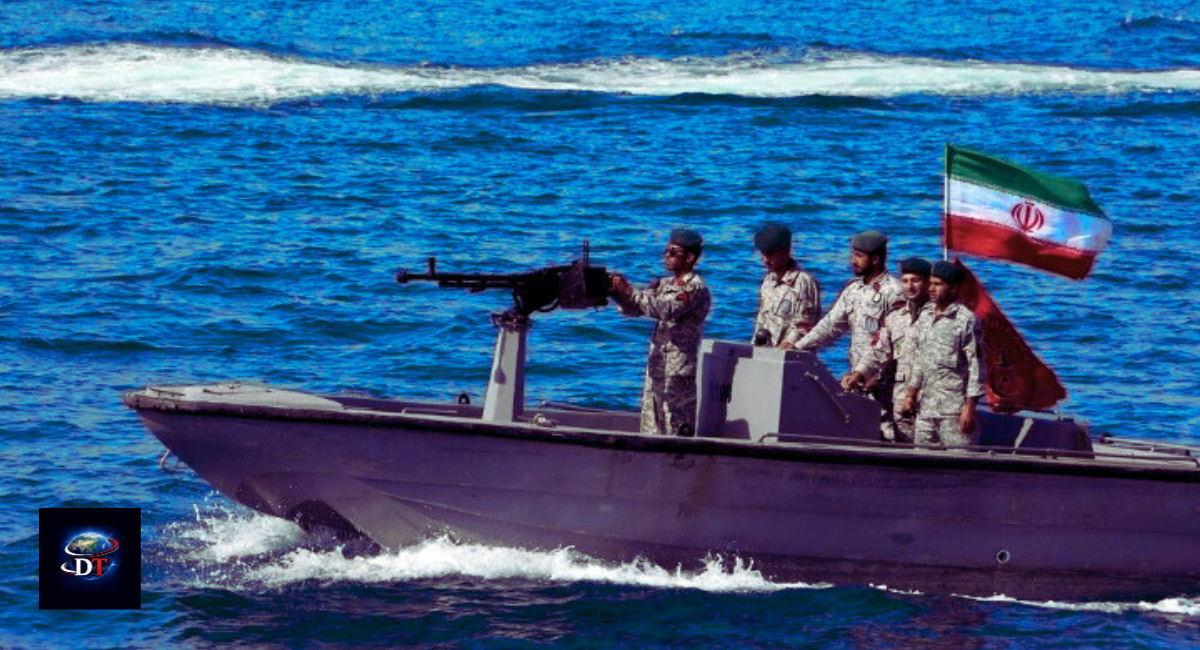
The Strait of Hormuz Crisis 2026 is rapidly escalating after the US seizure of an Iranian ship. Rising tensions, oil shocks, and failed diplomacy now threaten global stability and energy markets.
Table of Contents
US Seizes Iranian Ship, Escalating Conflict Fast
The situation intensified when the United States intercepted and seized an Iranian cargo vessel near key shipping routes. According to officials, the ship was attempting to bypass a naval blockade. This move has added pressure to an already fragile ceasefire. Iran strongly condemned the action, calling it a violation of international norms and warning of a direct response.
Iran Warns of Retaliation Against US Actions
Tehran reacted sharply, labeling the seizure as “armed piracy.” Iranian military sources indicated that retaliation is not just possible but expected soon. The Strait of Hormuz Crisis 2026 now risks shifting from controlled tension to open confrontation if both sides continue aggressive actions.
Why Strait of Hormuz Matters for Global Oil Supply
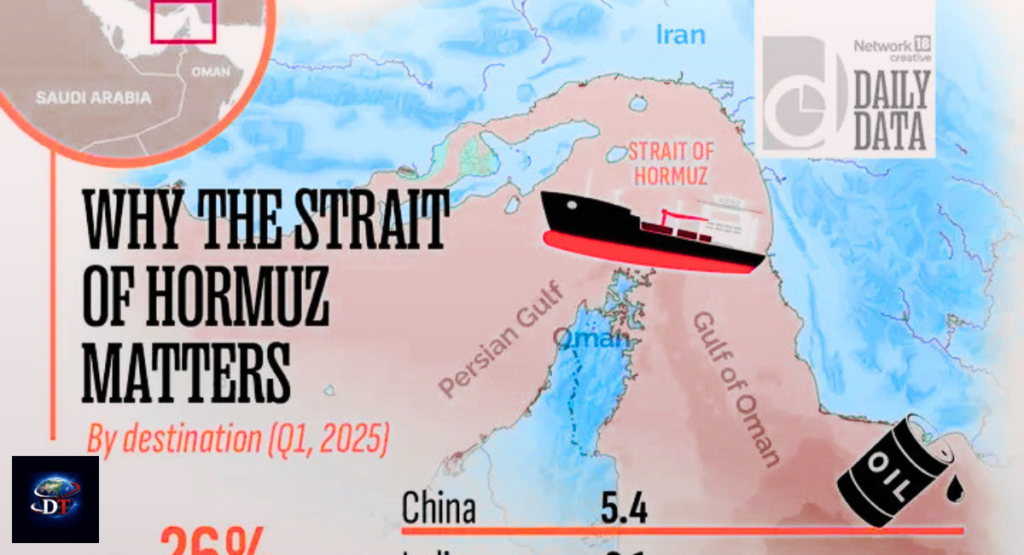
The Strait of Hormuz is one of the most critical energy chokepoints in the world. Nearly 20 percent of global oil passes through this narrow route daily. Any disruption here directly impacts oil prices, supply chains, and economies worldwide. This is why the Strait of Hormuz Crisis 2026 is being closely watched by global markets.
Oil Prices Surge as Market Reacts to Uncertainty
Following the incident, oil markets reacted immediately. Brent Crude prices jumped sharply, reflecting fears of supply disruption. Investors are uncertain about how long the tension will last. The Strait of Hormuz Crisis 2026 has once again shown how sensitive global markets are to geopolitical risks.
Ceasefire at Risk Amid Rising Military Activity
The fragile ceasefire between the US and Iran appears to be collapsing. Military movements on both sides suggest preparation for further escalation. Naval presence in the region has increased, and both countries are issuing strong warnings. The Strait of Hormuz Crisis 2026 may soon move beyond diplomatic control.
Failed Talks Add Pressure to Diplomatic Efforts
Efforts to restart negotiations have faced major setbacks. Iran has refused to join new talks, citing US pressure and inconsistent policies. This rejection has weakened hopes for a peaceful resolution. The Strait of Hormuz Crisis 2026 highlights how fragile diplomatic channels have become.
Pakistan’s Role as Mediator Gains Importance
Pakistan is stepping in as a key mediator, hosting potential peace talks in Islamabad. Security measures have been tightened, showing how serious the situation is. If successful, mediation could reduce tensions. However, failure may worsen the Strait of Hormuz Crisis in 2026 further.
Military Threats Increase Regional Instability
Both sides have issued strong warnings about targeting infrastructure. The US has hinted at striking Iranian facilities, while Iran has threatened to hit regional energy sites. These threats raise concerns about a wider conflict affecting neighboring countries.
Impact on Global Economy and Trade Routes
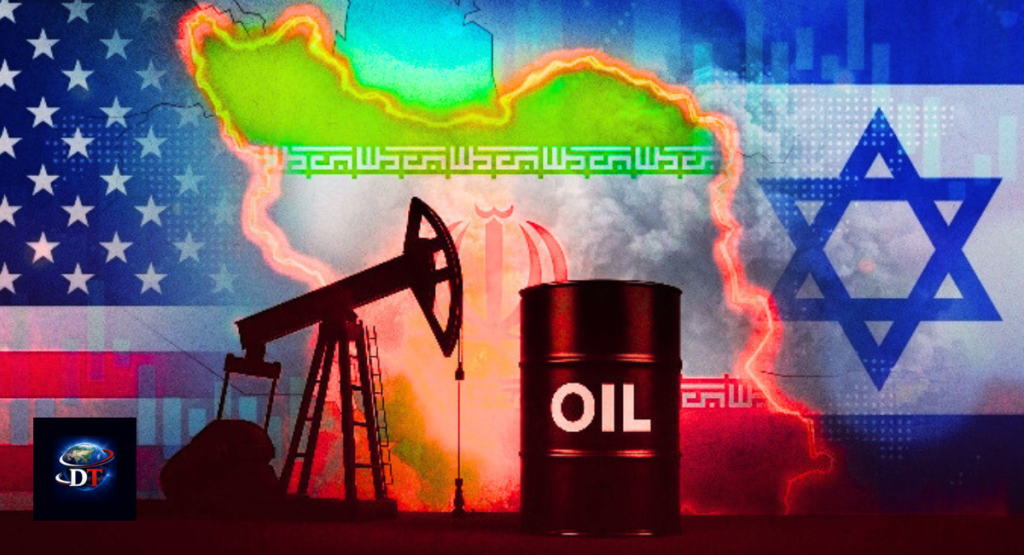
The crisis is not limited to oil. Shipping routes, insurance costs, and global trade are all affected. Delays and increased risks in maritime transport could disrupt supply chains worldwide. The Strait of Hormuz Crisis 2026 is becoming an economic challenge as much as a political one.
Future Outlook Remains Uncertain and Volatile
Experts believe the coming days are critical. If tensions continue rising, markets may see further shocks. Diplomatic success could stabilize the situation, but current signals suggest uncertainty will persist. The Strait of Hormuz Crisis 2026 remains unpredictable.
Conclusion
The Strait of Hormuz Crisis 2026 shows how quickly tensions can disrupt global systems. Without urgent diplomacy, risks will grow. The world now watches closely as events unfold.
FAQ:
What is the Strait of Hormuz Crisis 2026?
The Strait of Hormuz Crisis 2026 is a major geopolitical conflict involving the United States and Iran that has disrupted global oil supply routes and increased regional tensions.
Why is the Strait of Hormuz important?
It is one of the world’s most critical oil transit routes, with nearly one fifth of global oil passing through it daily, making it vital for global energy stability.
What triggered the latest escalation?
The recent escalation was triggered by the US seizure of an Iranian cargo ship, which Iran described as an act of aggression and vowed to respond to.
How is the crisis affecting oil prices?
Oil prices have surged due to fears of supply disruption and uncertainty in global markets as tensions continue to rise.
there a risk of a wider conflict?
Yes, rising military threats and failed diplomatic talks have increased the risk of a broader regional conflict involving multiple countries.
What role is Pakistan playing in the crisis?
Pakistan is acting as a mediator by hosting potential peace talks, aiming to reduce tensions between the US and Iran.
Will the crisis impact global trade?
Yes, disruptions in shipping routes and increased risk levels are affecting global trade, supply chains, and transportation costs worldwide.

I am the founder and writer at Duniya Time.com, a news website focused on national and international news, social issues, and history. With a background in Islamic History, I write research-based articles in a clear and honest style. My goal is to share accurate information, thoughtful analysis, and meaningful stories that help readers stay informed and understand the world better.