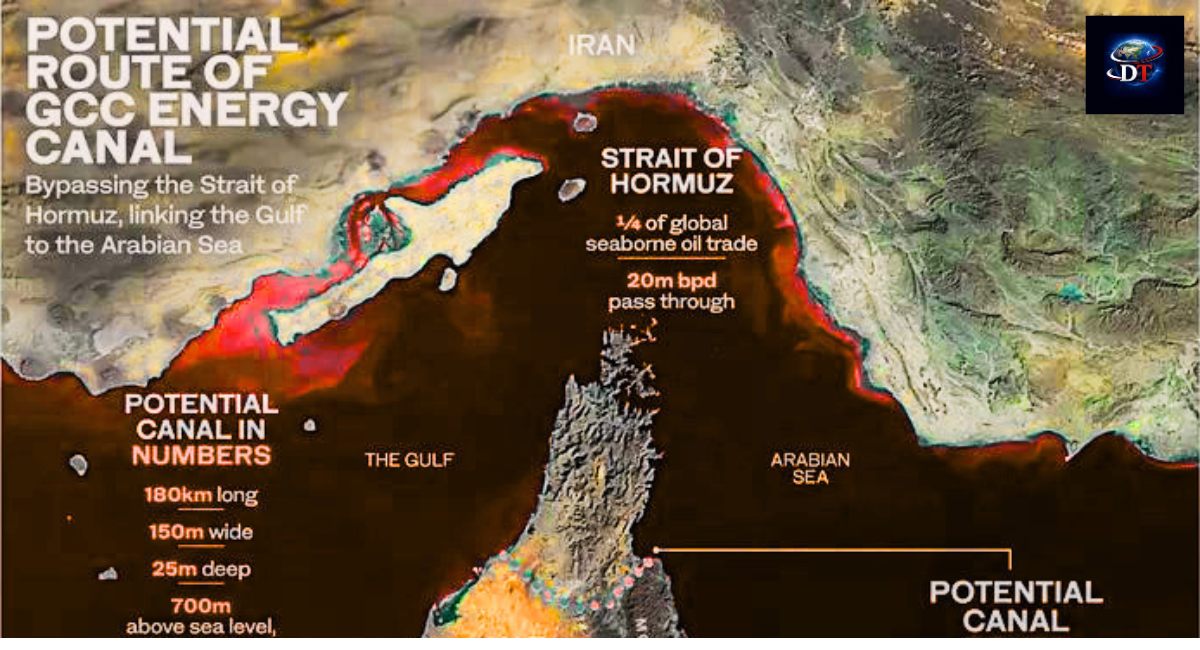
The Strait of Hormuz Crisis 2026 has shaken the global economy. Iran has demonstrated its geographical strength, deeply affecting energy supply, trade routes, and modern military strategies worldwide.
Table of Contents
Strategic Strait control dynamics
The Strait of Hormuz is one of the most critical chokepoints in the world. Around 20 percent of global oil supply passes through this narrow route. Iran’s control over this waterway has sent a strong signal that deterrence can be achieved even without nuclear weapons. This control is not only military but also a powerful economic pressure tool.
Iran’s geographic advantage leverage
Iran has a major advantage due to its geography. Located at the entrance of the Persian Gulf, it can easily influence shipping routes. This positioning acts as a natural defense system, proving more effective than traditional warfare in many ways.
Global oil supply disruption risks
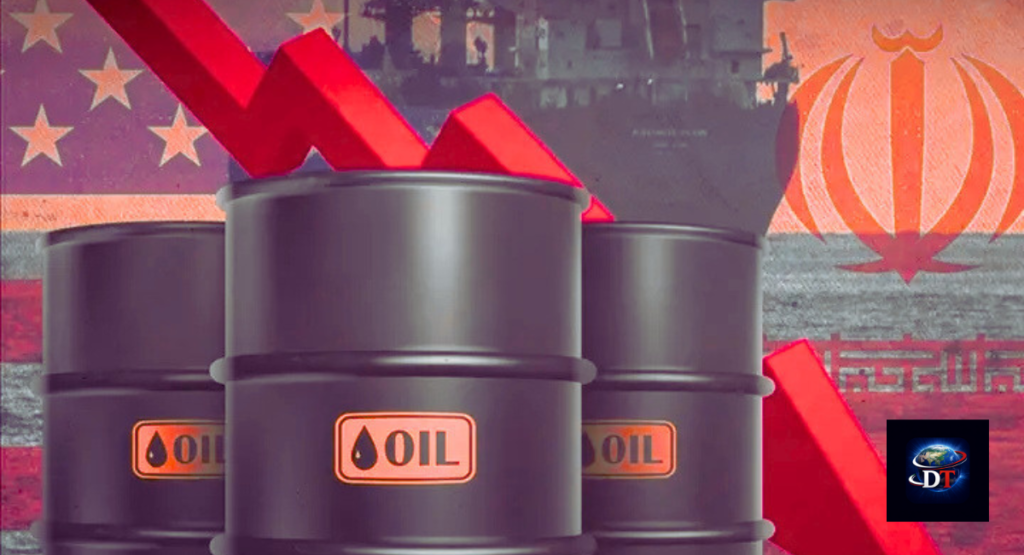
Whenever tensions rise in the Strait, oil markets react instantly. Supply chains get disrupted, shipping insurance costs increase, and energy prices surge. The impact goes beyond oil, affecting fertilizers, transportation, and even food prices worldwide.
Economic ripple effects worldwide
The economic effects of this crisis are being felt globally. Regions like Europe and Asia, along with developing countries, are facing serious consequences. Rising fuel prices increase production costs, which leads to higher inflation. Import-dependent economies are especially vulnerable.
US Israel military strategy shift
The United States and Israel have been forced to rethink their military strategies. Securing the Strait is not simple, as Iran can deploy coastal missiles, naval mines, and fast attack boats. This makes direct confrontation highly risky.
Non-nuclear deterrence strategy rise
This crisis highlights the growing importance of non-nuclear deterrence. Iran has shown that geographical control can be as powerful as nuclear capability. This approach could influence future conflicts, where location becomes a strategic weapon.
Shipping routes security challenges
For global shipping companies, this situation has become extremely challenging. Rerouting tankers is costly, and delays slow down supply chains. Increasing insurance premiums further raise transportation expenses.
Energy markets volatility surge

Strait of Hormuz open leads to sharp drop in global oil prices
Oil markets are highly sensitive to geopolitical tensions. Even minor escalation in the Strait can push prices sharply upward. Market uncertainty often leads to panic buying, increasing volatility further.
Regional power balance changes
Power dynamics in the Middle East are shifting rapidly. Iran’s influence is growing, while its rivals are adjusting their strategies. These changes could reshape long-term geopolitical alliances in the region.
Future conflict prevention scenarios
Experts believe that diplomatic solutions are the most sustainable path forward. While military action may offer short-term results, long term stability requires negotiation and cooperation at the international level.
Conclusion
Strait of Hormuz Crisis 2026 proves that geography can be a powerful weapon. Iran’s strategy has reshaped global politics and the economy, with long-lasting effects expected in the future.
FAQ :
What is the Strait of Hormuz Crisis 2026?
The Strait of Hormuz Crisis 2026 is a major geopolitical conflict in which Iran demonstrated control over this strategic waterway, disrupting global oil supply and trade routes.
Why is the Strait of Hormuz so important?
It is one of the world’s most critical oil chokepoints, with nearly 20 percent of global oil trade passing through it. Any disruption here has a direct impact on the global economy.
How did Iran use the Strait as a strategy?
Iran restricted shipping and established naval control to use its geographic position as a deterrent, creating both military and economic pressure.
What impact did the crisis have on oil prices?
Oil prices increased sharply due to fears of supply disruption, leading to higher volatility in global energy markets.
Can the Strait of Hormuz be closed completely?
Technically, Iran can create temporary closures or severe disruptions, but a complete long term shutdown is difficult due to expected international response.
What are the global economic effects of this crisis?
The crisis leads to rising fuel prices, higher inflation, and slower supply chains, affecting both developing and developed economies.
Is there any solution to this crisis?
Experts believe diplomatic talks and international cooperation are the best long term solutions, as military escalation could make the situation more complex.

I am the founder and writer at Duniya Time.com, a news website focused on national and international news, social issues, and history. With a background in Islamic History, I write research-based articles in a clear and honest style. My goal is to share accurate information, thoughtful analysis, and meaningful stories that help readers stay informed and understand the world better.