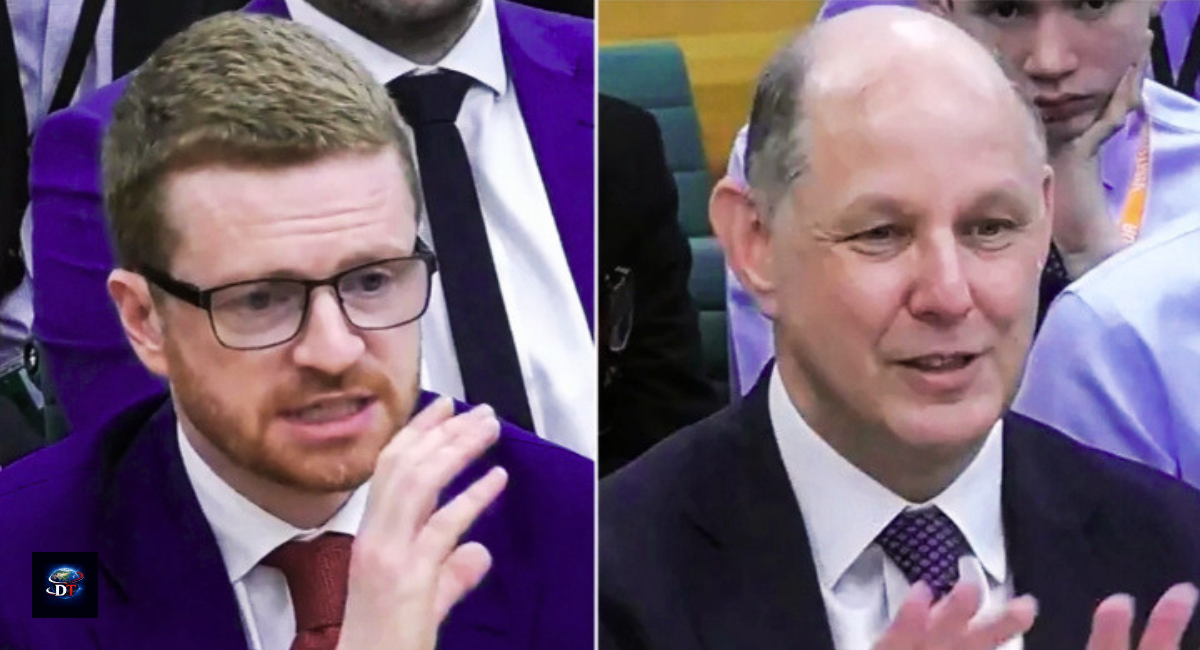
The Morgan McSweeney Vetting Hearing raised serious questions about political appointments, security checks, and government accountability. Testimony from senior officials revealed pressure, poor oversight, and concerns about judgment. The hearing offered a deeper look into how sensitive appointments can trigger wider political consequences.
Table of Contents
Pressure Over Fast Approval
Officials admitted there was pressure to move Peter Mandelson into the ambassador role quickly before Donald Trump’s inauguration. Speed appeared to be a major priority. However, witnesses argued there was no direct pressure to ignore security procedures. The issue centered on urgency, which critics say can still affect independent review standards.
McSweeney Admits Error
During the Morgan McSweeney Vetting Hearing, he accepted that supporting Mandelson’s appointment was a serious mistake. He argued his advice was based on trade experience and diplomatic goals, not personal loyalty. This admission was significant because senior aides rarely publicly accept flawed judgment in such direct language.
Questions Over Vetting Process
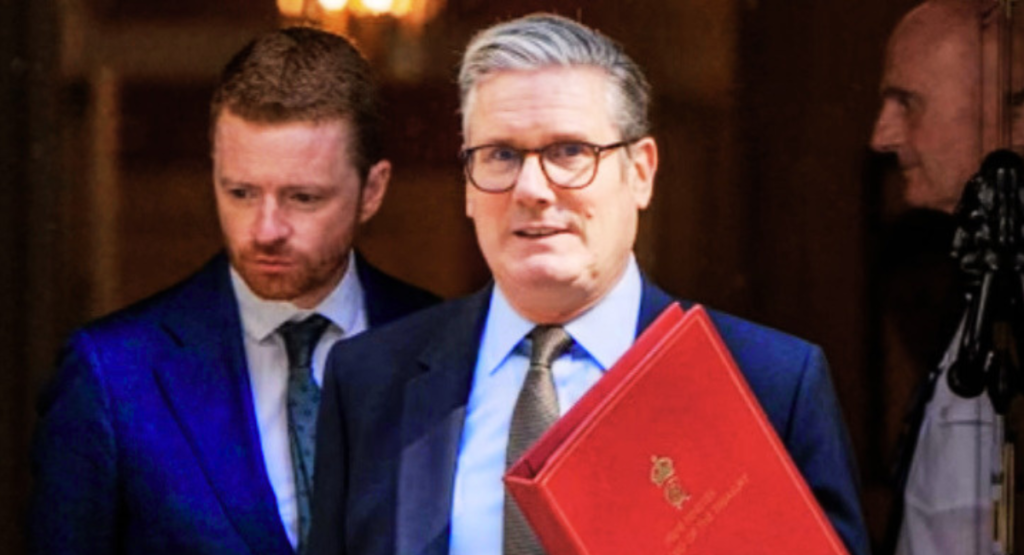
One major concern involved whether normal appointment procedures were followed. Evidence suggested the public announcement came before the full vetting process ended. That reversal drew criticism. Standard practice usually places security clearance before confirmation, making the process appear irregular and politically risky to many observers.
Epstein Links Raised Concerns
Witnesses confirmed concerns existed over Mandelson’s connection to Jeffrey Epstein. Those concerns were reportedly documented. However, officials said later revelations were much worse than expected. This issue became central because it raised questions about whether warning signs were properly weighed before recommending the appointment.
Rumored Phone Call Denied
The Morgan McSweeney Vetting Hearing also addressed a long-repeated rumor that pressure was applied through an aggressive phone call demanding approval. Both witnesses denied it happened. They described the story as false and damaging. The exchange highlighted how political rumors can shape narratives without verified evidence.
No Backup Plan Prepare
Officials admitted there was no clear contingency if Mandelson failed security vetting. That drew criticism because sensitive roles usually require alternative planning. McSweeney argued they knew failure was possible, yet there was no prepared substitute. Critics say that exposed weak strategic planning at a high government level.
Missing Official Records
Questions also focused on poor documentation of conversations. Witnesses struggled to confirm whether proper records existed for some exchanges. That created concern about transparency. Without clear records, accountability becomes harder. This issue made the hearing about governance standards as much as the appointment controversy itself.
Civil Service Under Pressure
The Morgan McSweeney Vetting Hearing revealed tension between political offices and civil servants. Testimony suggested pressure to deliver decisions quickly is routine in government. Yet critics argue speed can create indirect influence. The balance between political urgency and independent bureaucracy became a major theme in committee questioning.
Political Damage Grows
The hearing added pressure on the government by reviving debate over judgment at senior levels. Opposition figures linked the controversy to broader concerns about oversight and credibility. Even supporters admitted reputational harm has grown. The controversy now reaches beyond one appointment into wider political trust issues.
Why the Hearing Matters
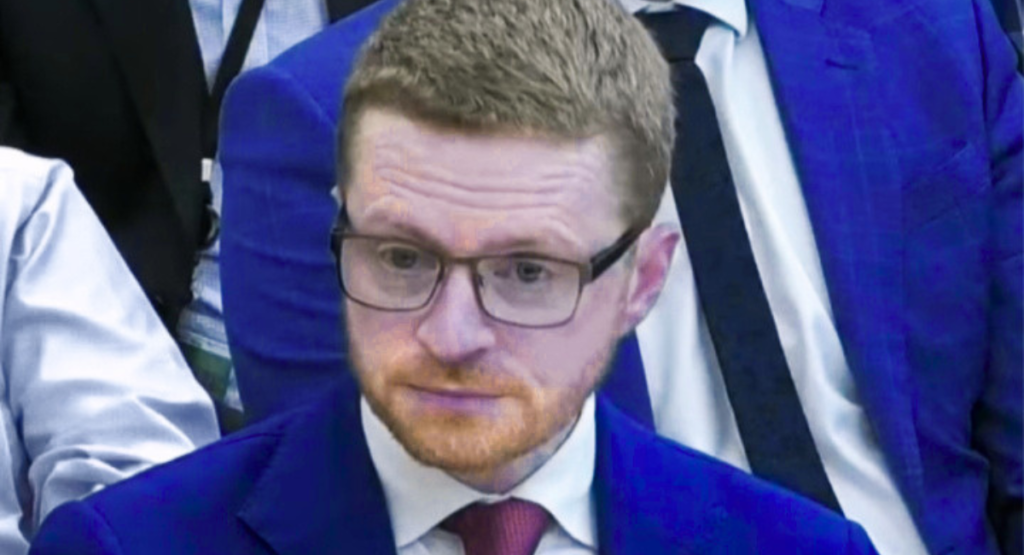
This case matters because it highlights risks when politics intersects with security procedures. The Morgan McSweeney Vetting Hearing exposed weaknesses in process, communication, and record keeping. It also showed how one controversial appointment can trigger scrutiny of institutions, not only by individuals involved.
Lessons for Future Appointments
Future governments may face pressure to tighten vetting procedures after this controversy. Experts argue clearer timelines, independent safeguards, and stronger documentation could reduce risks. The Morgan McSweeney Vetting Hearing may ultimately shape reforms designed to protect both diplomatic appointments and public confidence.
Conclusion
The Morgan McSweeney Vetting Hearing revealed mistakes, unanswered questions, and deeper concerns about process. Beyond political fallout, it offered lessons about transparency, security checks, and responsible decision-making in sensitive public appointments.
FAQ
What was Morgan McSweeney Vetting Hearing about?
It examined the Mandelson appointment, vetting concerns, and claims of political pressure.
Did Morgan McSweeney admit mistakes?
Yes, he described supporting the appointment as a serious error of judgment
Was there pressure to speed up approval?
Witnesses said there was pressure for urgency, though they denied pressure to bypass security checks.
Why were Epstein links discussed?
Concerns over Mandelson’s links were raised as part of wider questions about judgment and risk.
What could happen after the hearing?
The hearing may influence future reforms in vetting and government appointment procedures.

I am the founder and writer at Duniya Time.com, a news website focused on national and international news, social issues, and history. With a background in Islamic History, I write research-based articles in a clear and honest style. My goal is to share accurate information, thoughtful analysis, and meaningful stories that help readers stay informed and understand the world better.