
The Trump White House Dinner Shooting stunned Washington and triggered immediate security action. Gunfire near a checkpoint forced a rapid evacuation and raised new debate over political violence, venue screening, and protection failures
Table of Contents
Security Breach Fears
Investigators are examining how an armed suspect approached a protected zone inside the Washington Hilton. The incident exposed concerns about layered screening, guest access, and whether hotel security matched the level expected for a high risk political event.
Suspect and Early Probe
Authorities identified a suspect and described early signs of a lone actor scenario, though motive remains under review. Federal charges are expected to focus on assault, weapons use, and attempted violence against protected officials.
Event Turns Chaotic

Gunfire Triggers Panic
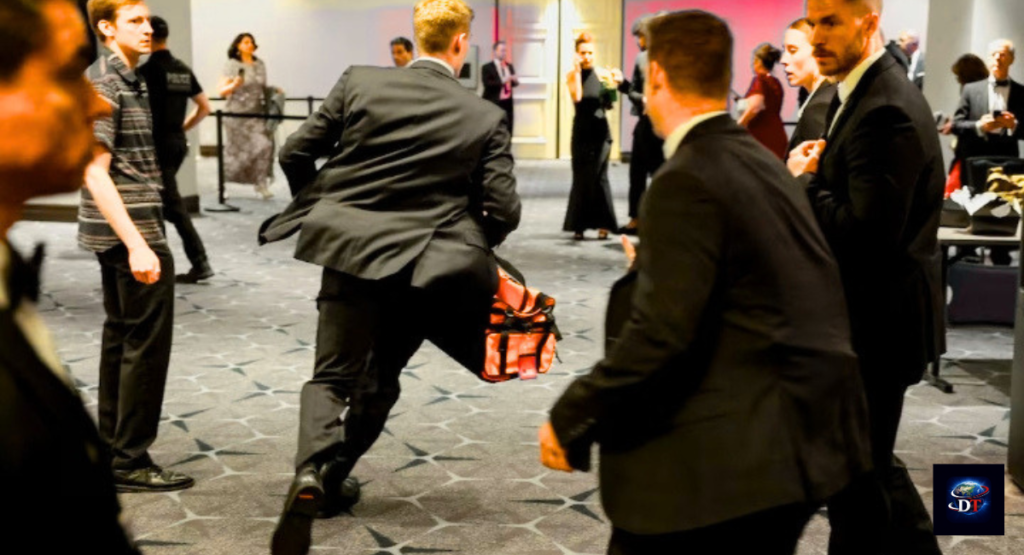
The annual correspondents dinner shifted from ceremony to emergency within seconds. Witnesses described confusion, guests taking cover, and agents moving senior officials to safety. The response prevented broader harm and limited injuries despite a dangerous breach.
President Moved Fast
During the Trump White House Dinner Shooting, Secret Service agents escorted President Donald Trump, senior officials, and the first lady from the ballroom. The speed of that response has become central to discussion about preparedness and crisis execution.
Officer Injury Report
Officials said a federal agent was struck but protected by body armor and later released. That detail shifted focus toward how close the threat came and why stronger perimeter prevention may not have stopped the attack earlier.
Political Violence Debate :
Rising Threat Climate
The incident renewed concern over political extremism in the United States. Analysts note repeated threats against public officials have increased pressure on security agencies and widened debate about prevention, intelligence sharing, and risk monitoring.
Link to Past Attempts
Because Trump survived earlier assassination attempts, the Trump White House Dinner Shooting was quickly viewed through that wider pattern. Commentators linked the event to growing instability and questions about whether threat models need revision.
Reagan Echo Returns
The Washington Hilton carries historical weight because President Ronald Reagan was shot outside the same venue in 1981. That connection intensified public reaction and revived memories of earlier failures tied to presidential protection.
Global Reaction Grows :
Allies Condemn Attack
International leaders condemned the shooting and stressed violence has no place in democratic systems. Responses focused on solidarity, institutional stability, and the danger of attacks aimed at elected leadership.
Pakistan Voices Support
Pakistan also reacted strongly. President Asif Ali Zardari and Prime Minister Shehbaz Sharif condemned the attack and expressed relief that attendees were safe. Their statements framed diplomacy and political stability as shared interests.
Security Review Ahead
Venue Protocol Scrutiny
The Trump White House Dinner Shooting has intensified review of access control, guest credentialing, weapons screening, and coordination between hotel security and federal agencies. Investigators are expected to recommend procedural reforms after the case advances.
Future Events Questioned
Questions now surround whether major political gatherings in open need redesign. Some experts argue future dinners may require hardened perimeters, stricter access zones, and new emergency evacuation layouts.
Media and Democracy
Press Event Symbolism
The correspondents dinner has symbolic value because it joins media and government in a rare public setting. Violence near that event created concern not only about security, but also about democratic spaces under pressure.
Public Trust Impact
The Trump White House Dinner Shooting may influence trust in institutions. When security breaches occur at highly protected events, citizens often question competence, resilience, and official readiness in moments of crisis.
Investigation Moves Forward
Charges and Evidence
Federal prosecutors are expected to rely on surveillance footage, witness testimony, travel records, and seized weapons evidence. Investigators are also reviewing writings linked to the suspect as part of motive assessment.
Lone Wolf Theory
Officials have described a possible lone wolf theory, but investigators remain cautious. Cases involving political violence often evolve as digital records, personal contacts, and behavioral history are examined.
Lessons for Security
Protection Model Review
The event may push agencies to reassess protective doctrine for off site presidential appearances. Experts often stress that layered defense matters only when every layer works under pressure.
Threat Detection Gaps
The Trump White House Dinner Shooting also highlights detection gaps. Screening systems can fail when access zones, movement patterns, or human response do not align with risk expectations.
What Comes Next
Policy Debate Ahead
Lawmakers may use this incident to press for broader discussion on political threats, public safety funding, and protective intelligence reform. Debate is likely to continue as court proceedings develop.
Event Legacy Forms
How this episode is remembered may depend on reforms that follow. If stronger procedures emerge, the crisis may shape security policy far beyond one night in Washington.
Conclusion
The Trump White House Dinner Shooting was more than a disrupted gala. It exposed security questions, renewed concern about political violence, and may influence how future high profile events are protected across the United States.

I am the founder and writer at Duniya Time.com, a news website focused on national and international news, social issues, and history. With a background in Islamic History, I write research-based articles in a clear and honest style. My goal is to share accurate information, thoughtful analysis, and meaningful stories that help readers stay informed and understand the world better.