Hormuz Strait crisis is creating serious global tension as ships remain stuck and oil supply risks grow. The situation is becoming critical for trade routes, raising fears of conflict escalation and economic pressure worldwide.
Table of Contents
What triggered the latest Hormuz Strait crisis
The Hormuz Strait crisis has once again placed global energy security at risk. The situation escalated after reports confirmed that several commercial ships were stuck due to rising military tensions between the United States and Iran. This narrow waterway is one of the most important oil transit routes in the world. Any disruption here creates immediate global impact.
The conflict deepened when the United States accused Iran of restricting access, while Tehran defended its position as a strategic necessity during wartime conditions. The situation quickly turned into a geopolitical flashpoint.
Trump announces “Project Freedom” mission
Former US President Donald Trump introduced a new plan called “Project Freedom.” According to his statement, the goal is to help ships safely pass through blocked routes. He described this move as a humanitarian effort aimed at protecting innocent crews stranded in difficult conditions.
Trump also warned that any resistance to this mission would face a strong response. This statement has raised concerns among global analysts who fear further escalation in the region.
Why the Strait of Hormuz matters so much
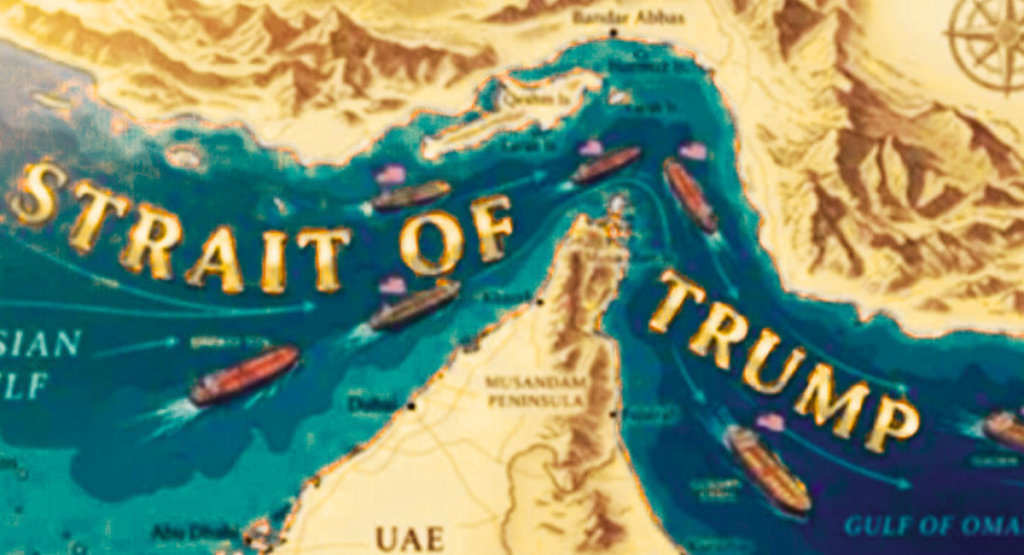
The Strait of Hormuz is not just another shipping lane. Nearly 20 percent of the world’s oil supply passes through this narrow passage. Any disruption directly impacts oil prices, global markets, and economic stability.
Because of the Hormuz Strait crisis, oil prices have already started rising. This has led to increased fuel costs in multiple countries, putting pressure on everyday consumers and businesses.
Iran’s response to US intervention plans
Iran has strongly reacted to the US announcement. Officials warned that any foreign military presence in the strait could be seen as a violation of the ongoing ceasefire. Iranian leaders emphasized that control of the region cannot be dictated by external forces.
This response highlights how sensitive the situation remains. Even a small military move could trigger a wider conflict.
Risk of breaking the fragile ceasefire
One of the biggest concerns surrounding the Hormuz Strait crisis is the possibility of breaking the current ceasefire. Although tensions had slightly cooled in recent weeks, this new development could reverse that progress.
Experts believe that sending military escorts into such a high risk zone increases the chance of direct confrontation. A single miscalculation could lead to serious consequences.
Impact on global oil prices and economy
The Hormuz Strait crisis has already started affecting global markets. Oil prices have surged due to uncertainty and supply risks. In the United States, fuel prices have noticeably increased, adding pressure on inflation.
Higher energy costs impact transportation, manufacturing, and daily life. This creates a chain reaction across economies worldwide, especially in developing countries.
Military risks and strategic challenges
Escorting ships through the strait is not a simple task. The area is narrow, heavily monitored, and within range of Iranian defense systems. This creates a high risk environment for any naval operation.
Military experts suggest that even a defensive mission could be perceived as aggressive. This makes the situation more complex and unpredictable.
Diplomatic talks still on the table
Despite rising tensions, diplomatic discussions have not completely stopped. Both sides have indicated that negotiations are ongoing. There is still hope that a peaceful resolution could be reached.
However, trust remains low. Each move is carefully analyzed, and even minor actions are seen as strategic signals.
Is this a strategy or real escalation

Analysts are divided on whether this move is a negotiating tactic or a serious military plan. Some believe it is a pressure strategy to force Iran into accepting certain terms. Others think it signals a shift toward direct confrontation.
The Hormuz Strait crisis continues to raise questions about future intentions and global stability.
What could happen next in the region
The coming days are critical. If the US proceeds with its plan, the response from Iran will determine the direction of events. A peaceful passage could ease tensions, but any clash could escalate the conflict.
Global powers are closely monitoring the situation, as the outcome will shape regional dynamics and economic conditions.
Conclusion
Hormuz Strait crisis remains a serious global concern, affecting trade, oil supply, and political stability. The next steps by major powers will decide whether the situation moves toward peace or deeper conflict.
FAQs
What is the Hormuz Strait crisis?
The Hormuz Strait crisis refers to rising tensions and blocked shipping routes in a key global oil passage, affecting international trade and energy supply.
Why is the Strait of Hormuz important?
This route handles a large portion of global oil transport, making it vital for the world economy and energy markets.
What did Trump announce about the crisis?
Trump announced a plan to help free ships stuck in the strait and warned against interference with the operation.
How does this crisis affect oil prices?
The crisis disrupts supply, which increases oil prices and impacts fuel costs worldwide.
Can the situation lead to war?
There is a risk of escalation if military actions increase, especially if tensions between the US and Iran grow further.

I am the founder and writer at Duniya Time.com, a news website focused on national and international news, social issues, and history. With a background in Islamic History, I write research-based articles in a clear and honest style. My goal is to share accurate information, thoughtful analysis, and meaningful stories that help readers stay informed and understand the world better.