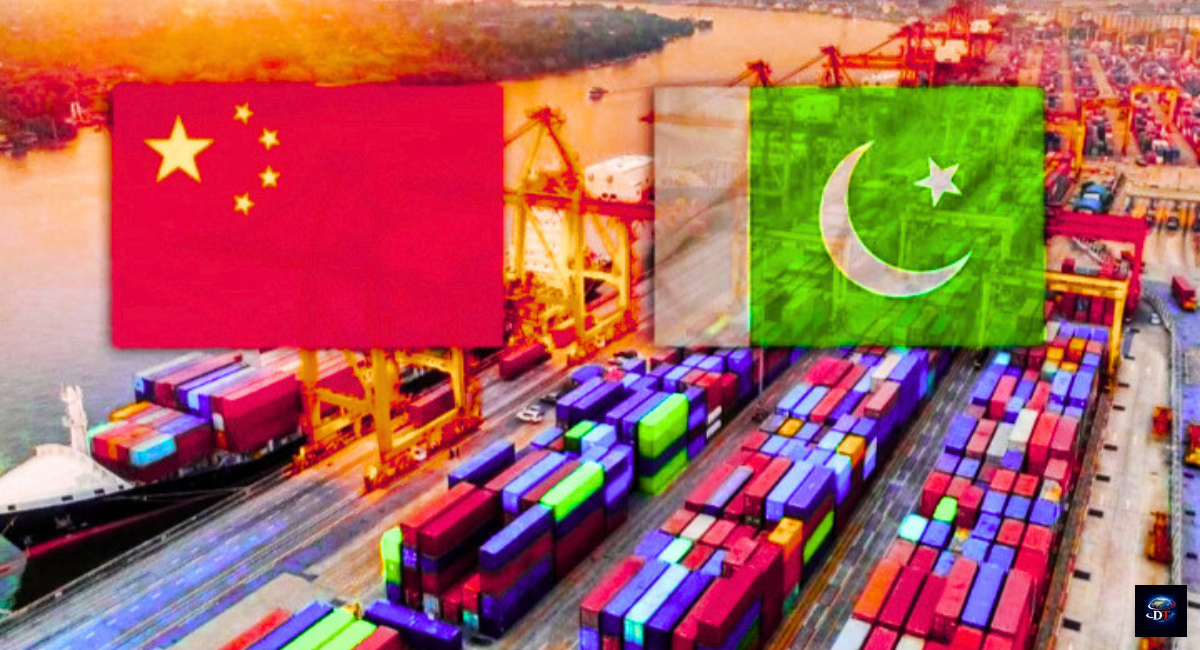
Pak-China ties are entering a fresh and decisive phase as Pakistan pushes for investment, trade, and technology cooperation with China. The latest high-level visit signals a practical shift toward economic stability and regional influence.
Table of Contents
A Strategic Reset in Bilateral Relations
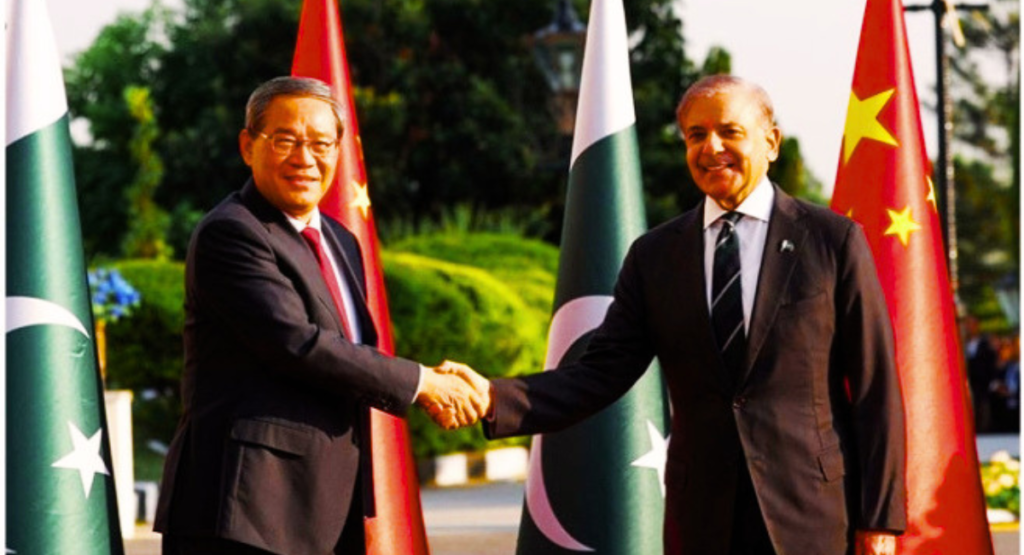
Pakistan is reshaping its foreign policy by prioritizing economic outcomes. The recent visit highlighted a move away from symbolic diplomacy toward practical cooperation. This reset focuses on attracting investment, boosting exports, and strengthening industrial capacity through deeper engagement.
Economic Priorities Take Centre Stage
The government is actively seeking financial stability through foreign partnerships. China remains a key ally due to its consistent investment record. New agreements aim to support industrial growth, improve infrastructure efficiency, and open doors for long-term economic recovery.
Focus on Investment and Industrial Growth
A major highlight of the visit was the push for industrial cooperation. Special economic zones and joint ventures are being promoted. This approach is expected to create jobs, enhance productivity, and strengthen Pakistan’s manufacturing sector in a competitive global market.
Technology Transfer and Innovation Push
Modern technology is now central to bilateral cooperation. Pakistan aims to benefit from Chinese expertise in artificial intelligence, electric vehicles, and advanced agriculture. These sectors can transform local industries and improve overall economic performance.
Role of Provinces in Economic Diplomacy
A notable shift is the involvement of provincial governments in international partnerships. Instead of relying only on federal-level talks, provinces are now engaging directly with Chinese investors. This model encourages localized development and faster implementation of projects.
Defence Cooperation Strengthens Trust
Beyond economics, defence collaboration remains a strong pillar. The commissioning of new naval assets reflects ongoing trust and shared security goals. This cooperation ensures regional stability and reinforces long-term strategic alignment between the two nations.
CPEC 2.0 and Future Opportunities
The next phase of the China-Pakistan Economic Corridor focuses on diversification. Instead of only infrastructure, attention is now on clean energy, agriculture, and technology sectors. This evolution could bring sustainable growth and reduce economic vulnerabilities.
Geopolitical Factors Driving Engagement
Regional tensions, especially in the Middle East, are influencing diplomatic strategies. Both countries are aligning their policies to respond to global challenges. This coordination strengthens their partnership and creates opportunities for deeper economic cooperation.
Challenges Slowing Progress
Despite positive developments, several issues remain. Security concerns, political instability, and policy gaps continue to affect investor confidence. Addressing these challenges is essential to fully unlock the potential of Pak-China ties in the coming years.
Growing Importance of Trade Expansion
Trade remains a critical area of focus. Efforts are being made to reduce barriers and increase exports. Improved trade relations can help Pakistan reduce its economic deficit and create a more balanced partnership with China.
Long-Term Vision for Economic Stability
The broader goal is to build a resilient economy through diversified partnerships. By focusing on innovation, investment, and regional cooperation, Pakistan aims to secure long-term growth and reduce dependence on short-term financial support.
Conclusion
Pak-China ties are evolving into a more practical and investment-driven partnership. If challenges are managed effectively, this renewed approach can bring economic stability, stronger industries, and long-term regional influence for Pakistan.
FAQS
What are Pak-What are Pak-China ties focused on now?
Pak-China ties are now focused on economic growth, investment, technology transfer, and industrial cooperation instead of only infrastructure projects.
What is CPEC 2.0?
CPEC 2.0 is the next phase of the China-Pakistan Economic Corridor focusing on sectors like agriculture, clean energy, and technology development.
Why is China important for Pakistan’s economy?
China provides investment, infrastructure support, and trade opportunities that help Pakistan stabilize and grow its economy.
What challenges affect Pak-China ties?
Security concerns, political instability, and policy gaps are major challenges that can slow down progress in Pak-China ties.
How will this partnership impact Pakistan’s future?
SStronger Pak-China ties can boost economic growth, create jobs, and improve industrial development in Pakistan.

I am the founder and writer at Duniya Time.com, a news website focused on national and international news, social issues, and history. With a background in Islamic History, I write research-based articles in a clear and honest style. My goal is to share accurate information, thoughtful analysis, and meaningful stories that help readers stay informed and understand the world better.