US-Iran truce talks have created fresh hope across the Middle East after weeks of military tension, shipping disruption, and diplomatic pressure. Pakistan is playing a central role in mediation while global markets react positively to signs of possible peace.
Table of Contents
Pakistan Emerges as Key Diplomatic Mediator
Pakistan has become an important bridge between Washington and Tehran during the current crisis. Officials in Islamabad confirmed that indirect discussions between both sides are moving forward. Diplomats believe Pakistan’s role has helped reduce tensions and open the path toward a temporary settlement.
Temporary Agreement May Prevent Wider Conflict
Negotiators are discussing a short-term arrangement designed to stop military escalation in the Gulf region. The proposed framework would focus on ending attacks, protecting trade routes, and reopening the Strait of Hormuz for international shipping activity.
Strait of Hormuz Remains Central Issue
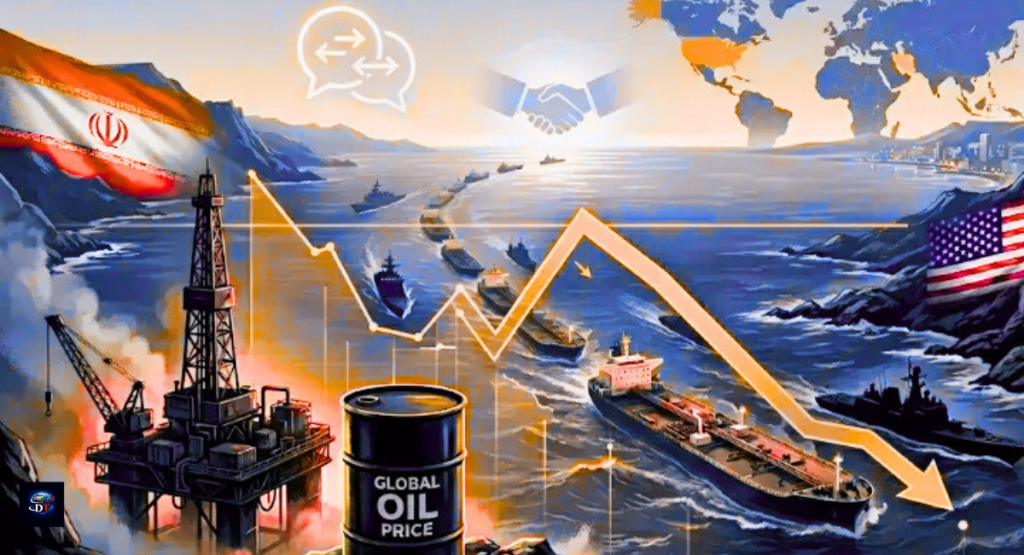
The Strait of Hormuz continues to be the most sensitive point in the conflict. This narrow waterway carries a major share of global oil and gas supplies. Any disruption in the area quickly affects energy prices, financial markets, and worldwide economic stability.
Donald Trump Pushes for Quick Resolution
US President Donald Trump has repeatedly stated that he wants a fast conclusion to the conflict. While warning Iran about possible military action, he also expressed optimism about reaching an agreement soon. His administration believes diplomacy remains the best option for avoiding another regional war.
Iran Balances Resistance and Negotiation
Iranian leaders continue to show defiance while also participating in discussions through mediators. Tehran wants economic relief, the release of frozen overseas assets, and guarantees against future attacks. At the same time, Iranian officials remain cautious about accepting American nuclear demands.
Nuclear Program Talks Remain Difficult
One of the biggest challenges in the negotiations involves Iran’s nuclear activities. The United States wants long-term restrictions on uranium enrichment, while Iran seeks a shorter compromise period. Diplomats believe both sides may eventually agree on a middle-ground solution.
Global Markets React Positively to Talks
Financial markets responded strongly to reports of progress in the negotiations. Oil prices declined sharply after investors expected shipping through the Gulf could return to normal conditions. Stock markets also moved higher because traders viewed the situation as less dangerous than before.
Regional Security Concerns Continue
Despite progress in diplomacy, military tension has not completely disappeared. Recent missile launches, drone incidents, and naval confrontations show how fragile the situation remains. Analysts warn that even a small misunderstanding could damage the ceasefire efforts.
Hezbollah and Lebanon Add More Complexity
The regional conflict also involves Hezbollah and Lebanon. Israeli airstrikes in Beirut have increased concerns that fighting could expand again. Iran may link future negotiations to developments involving Hezbollah, making the diplomatic process even more complicated.
Pakistan Hopes for Historic Breakthrough
Pakistani officials remain hopeful that a formal announcement could arrive soon. Diplomats believe a temporary arrangement would create enough stability for broader negotiations in the coming weeks. Islamabad is trying to position itself as a trusted mediator in regional diplomacy.
Conclusion
The developing US-Iran truce could reduce tensions in the Middle East and restore stability to global energy markets. Although major disagreements still exist, ongoing diplomacy offers a rare opportunity to prevent a larger regional conflict and reopen critical trade routes.
FAQs
What is the US-Iran truce?
The US-Iran truce is a proposed temporary agreement aimed at reducing military tensions and restoring stability in the Gulf region.
Why is the Strait of Hormuz important?
The Strait of Hormuz is a critical shipping route for global oil and gas supplies, making it essential for international trade and energy markets.
What role is Pakistan playing in the talks?
Pakistan is acting as a mediator between the United States and Iran to help both sides move toward a diplomatic settlement.
Why are global markets reacting positively?
Markets are responding positively because a possible agreement could reduce conflict risks and reopen important shipping routes.
What are the main disagreements in the negotiations?
The biggest disputes involve Iran’s nuclear program, sanctions relief, and long-term security guarantees.
Can the temporary agreement lead to permanent peace?
Diplomats hope the temporary arrangement will create enough trust for future negotiations on a broader and lasting agreement.

I am the founder and writer at Duniya Time.com, a news website focused on national and international news, social issues, and history. With a background in Islamic History, I write research-based articles in a clear and honest style. My goal is to share accurate information, thoughtful analysis, and meaningful stories that help readers stay informed and understand the world better.