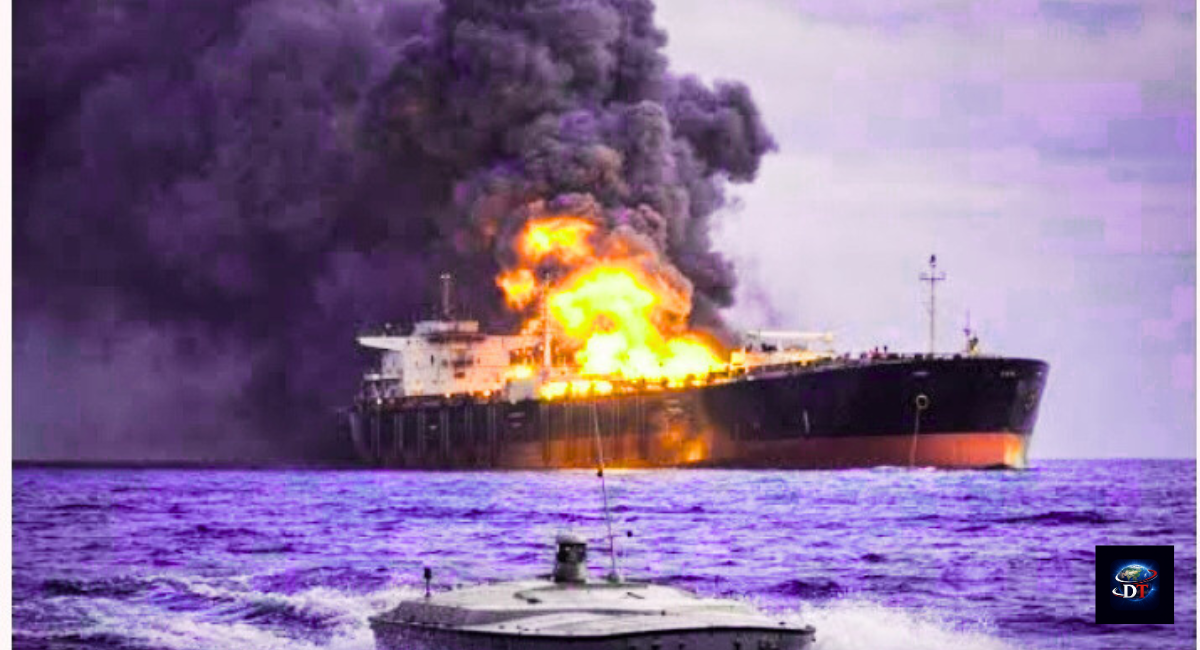
The Iran-war ceasefire crisis remains fragile as fresh military action shakes the Middle East. Despite claims of peace efforts, new attacks between Iran, the United States, and Israel are raising fears of wider instability.
Table of Contents
Ceasefire Faces Immediate Pressure
The Iran war ceasefire crisis entered a dangerous stage after reports of renewed military strikes. Officials claimed calm was holding, yet explosions and armed responses suggested tensions were far from over.
US Forces Target Iranian Tankers
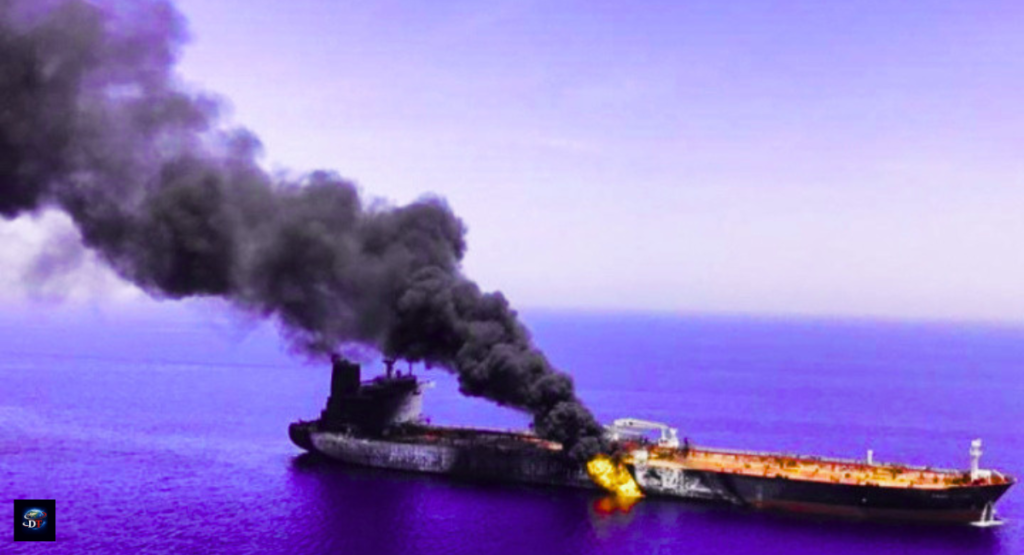
American military forces reportedly struck Iranian oil vessels near coastal waters. Officials said these actions were defensive responses after attacks on naval units along strategic sea routes.
Iran Responds With Military Action
Iranian forces reacted quickly during the Iran war ceasefire crisis, launching missiles and drones toward American naval positions. Tehran described the move as retaliation against aggression in regional waters.
Trump Calls Strikes a Limited Warning
Donald Trump described recent military action as a controlled warning rather than escalation. His statement suggested confidence that the truce could survive despite the exchange of fire.
Strait of Hormuz Remains Highly Sensitive
The Iran-war ceasefire crisis has placed the Strait of Hormuz under intense global focus. This route handles vital oil shipments, and any disruption threatens world energy markets.
Lebanon Faces Deadly Israeli Attacks
Israeli strikes continued in southern Lebanon during the Iran war ceasefire crisis, killing civilians and damaging homes. Several towns faced destruction as military pressure increased across border areas.
Hezbollah Claims Retaliatory Operations
Hezbollah announced several attacks on Israeli forces. The group said its operations addressed repeated violations and aimed to protect Lebanese communities facing bombardment.
Regional Diplomacy Struggles to Stabilize Peace
Diplomatic efforts are ongoing as international leaders attempt to reduce tension. The Iran war ceasefire crisis shows how fragile negotiations become when military action returns so quickly.
Global Markets Watch Energy Risks
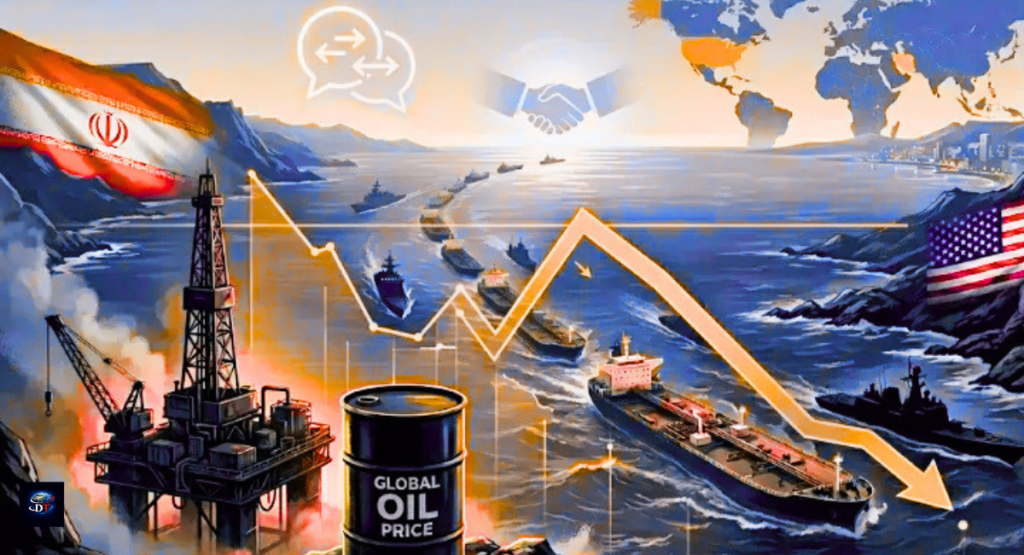
Investors remain nervous because instability threatens fuel supplies. Airlines and shipping companies are adjusting plans while governments monitor possible shortages linked to the conflict.
Civilian Lives Remain in Uncertainty
Families across affected areas continue rebuilding damaged homes. The Iran-war ceasefire crisis has left thousands uncertain about safety, stability, and what the coming days may bring.
Conclusion
The Iran war ceasefire crisis reveals how delicate peace can be in a region shaped by conflict. Without serious diplomacy, temporary calm could collapse, leading to broader confrontation and deeper humanitarian suffering.
FAQs
What is the Iran War Ceasefire Crisis?
The Iran War Ceasefire Crisis refers to rising tensions and military exchanges involving Iran, the United States, and Israel despite ceasefire claims.
Why is the Strait of Hormuz important?
The Strait of Hormuz is a key global oil route. Any conflict there can affect international energy supplies and fuel prices.
Why are Israel and Hezbollah fighting again?
Hezbollah says its attacks are responses to Israeli strikes in southern Lebanon and alleged ceasefire violations.
How is the conflict affecting civilians?
Many civilians in Iran and Lebanon are facing displacement, injuries, and damage to homes due to ongoing military activity.
Could the conflict expand further?
Analysts fear the situation may worsen if diplomatic efforts fail and military responses continue across the region.

I am the founder and writer at Duniya Time.com, a news website focused on national and international news, social issues, and history. With a background in Islamic History, I write research-based articles in a clear and honest style. My goal is to share accurate information, thoughtful analysis, and meaningful stories that help readers stay informed and understand the world better.