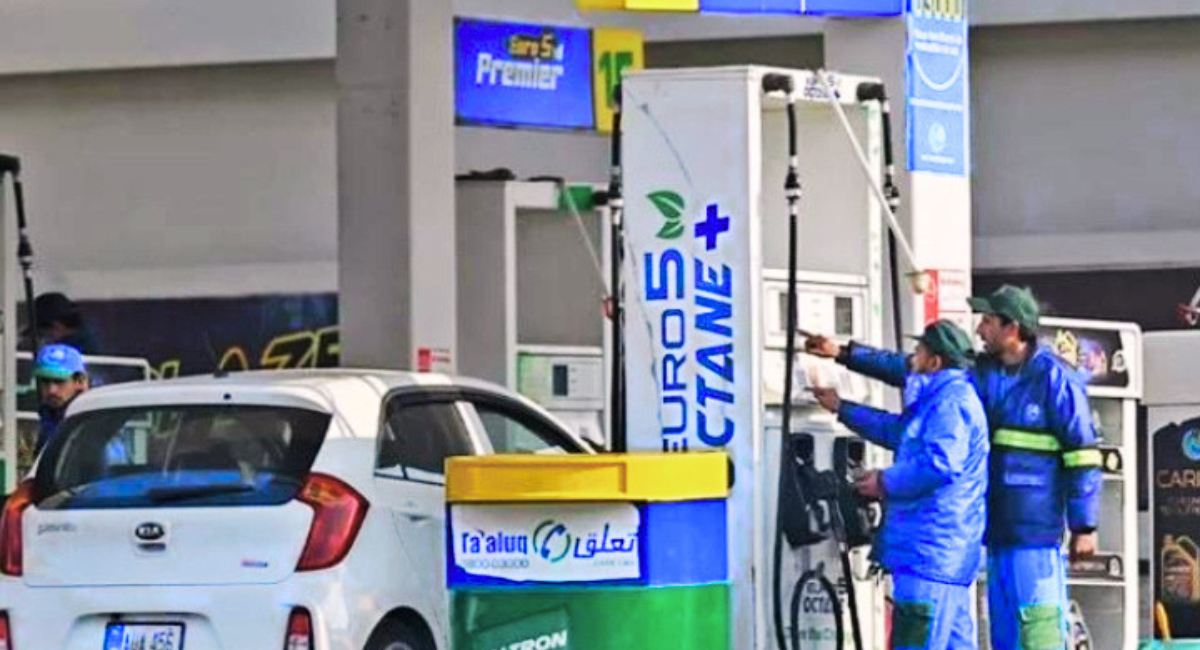
Govt reduces petrol price by Rs4 has become an important development for consumers across Pakistan. The federal government announced a reduction of Rs4 per litre in petrol prices while keeping high speed diesel rates unchanged. The decision comes after changes in international oil markets and is expected to provide some financial relief to households and transport users. Although the reduction is modest, it continues a recent trend of lower fuel prices and offers hope for reduced transportation costs in the coming weeks.
Table of Contents
Petrol Price Cut Announced
The government has officially lowered the ex depot price of petrol by Rs4 per litre. Following the revision, petrol will now be available at Rs377.79 per litre instead of Rs381.78. The new rates took effect immediately and will remain applicable until June 12. Authorities stated that the adjustment reflects fluctuations in global petroleum prices. Consumers who depend on petrol for daily travel may experience some savings, though the overall impact on living expenses may remain limited due to broader economic pressures.
Diesel Rate Remains Stable
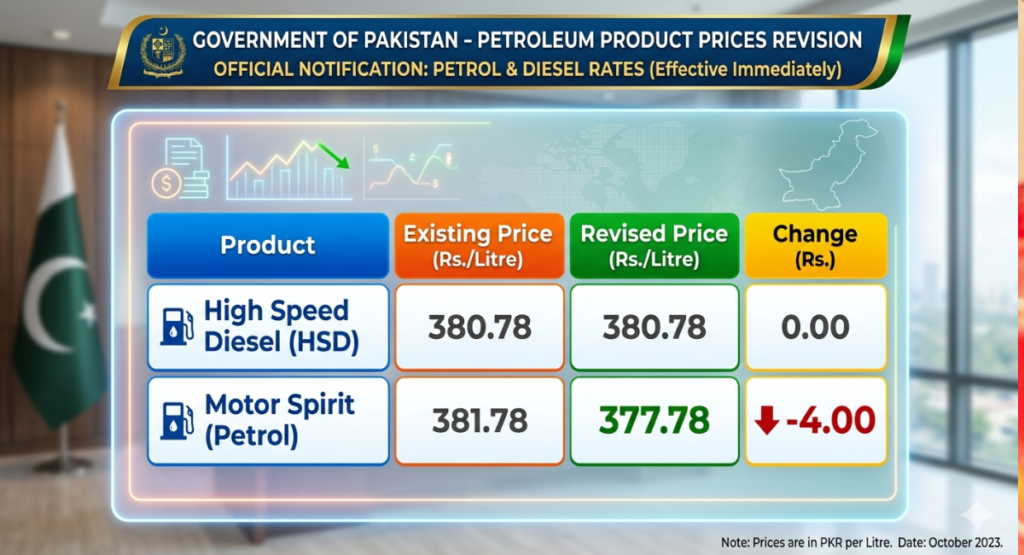
Unlike petrol, high speed diesel prices have not changed. The government decided to maintain the diesel rate at Rs380.78 per litre for another week. Officials reportedly adjusted taxes and levies to prevent any increase or decrease. Diesel plays a vital role in Pakistan’s transport and agriculture sectors. Because of its influence on freight movement and production costs, keeping diesel prices stable helps avoid sudden changes in the prices of essential goods and services.
Fourth Consecutive Reduction
This latest decision marks the fourth straight decrease in petrol prices. Over the past several weeks, fuel rates have gradually declined, bringing cumulative relief of around Rs37 per litre. The consistent downward trend reflects easing pressure in international energy markets. Consumers have welcomed the reductions, particularly those who rely on private vehicles for commuting. However, many citizens believe that broader price adjustments are needed to create noticeable improvements in their household budgets.
Impact on Household Budgets
The Govt reduces petrol price by Rs4 decision may slightly reduce transportation expenses for families. Motorcyclists, car owners and ride hailing drivers are likely to benefit the most. Lower fuel costs can help individuals manage daily commuting expenses more effectively. However, experts note that the reduction is relatively small compared to overall inflation. As a result, the direct impact on food prices, utility expenses and other household costs may not be immediately visible to the average consumer.
Effect on Transportation Sector
Transport operators closely monitor fuel price movements because they directly influence operating expenses. The latest reduction in petrol prices could ease financial pressure on passenger transport services and delivery businesses. Although diesel rates remain unchanged, lower petrol costs may benefit smaller commercial vehicles that use petrol engines. Industry observers suggest that sustained reductions over a longer period could encourage transport providers to review fare structures and operational expenses, potentially creating indirect benefits for consumers.
Taxes Behind Fuel Prices
A significant portion of fuel prices in Pakistan consists of taxes, duties and levies. Even after the latest reduction, the government continues to collect substantial revenue from petroleum products. Petrol carries various charges, including petroleum levy, customs duty and climate related taxes. These collections support government finances but also contribute to higher retail prices. Many economic analysts argue that future relief measures will depend not only on international oil rates but also on domestic taxation policies.
Global Market Influence
International crude oil trends remain the primary factor affecting local petroleum prices. Changes in global supply, demand, geopolitical developments and production decisions often influence fuel costs worldwide. Pakistan imports a large share of its energy requirements, making domestic prices sensitive to international market movements. The Govt reduces petrol price by Rs4 announcement reflects recent shifts in global oil values. Future adjustments will likely depend on whether international energy markets continue to remain stable.
Revenue and Economic Balance
Fuel pricing decisions involve balancing consumer relief with government revenue requirements. Petroleum products contribute significantly to national income through taxes and levies. Policymakers must consider fiscal targets while responding to public demand for lower prices. Reducing fuel costs provides economic relief but may also affect government earnings. This balancing act often shapes pricing decisions. Authorities therefore attempt to maintain financial stability while ensuring that consumers receive some benefit from favorable market conditions.
Public Response to the Decision
Many citizens have welcomed the latest reduction, viewing it as a positive step during a period of economic challenges. Social media discussions show mixed reactions. Some consumers appreciate the continued downward trend, while others believe the decrease should have been larger. Public expectations remain high because fuel prices affect transportation, business activity and daily expenses. The Govt reduces petrol price by Rs4 announcement has therefore attracted considerable attention across different sectors of society.
Future Outlook for Fuel Prices
Market observers believe future fuel prices will depend on international oil movements, exchange rate stability and government policy decisions. If global crude prices remain moderate, consumers may see additional reductions in coming weeks. However, any increase in international energy costs could reverse the current trend. Economic conditions, fiscal requirements and regional developments will also influence future pricing decisions. For now, consumers are watching closely to see whether the recent pattern of reductions continues.
Conclusion
The Govt reduces petrol price by Rs4 decision offers limited but welcome relief for consumers across Pakistan. While diesel prices remain unchanged, the latest reduction continues a positive trend seen in recent weeks. Fuel costs remain an important economic issue because they affect transportation, business operations and household spending. Future pricing decisions will depend on both international oil markets and domestic economic priorities.
FAQS
What is the new petrol price in Pakistan?
The new petrol price is Rs377.79 per litre after a reduction of Rs4 per litre.
Why did the government reduce petrol prices?
The reduction was made due to changes in international oil prices and market conditions.
Has the diesel price changed?
No, the government kept the high speed diesel price unchanged at Rs380.78 per litre.
How much has petrol become cheaper in recent weeks?
Petrol prices have declined by about Rs37 per litre through four consecutive reductions.
Will the petrol price cut reduce inflation?
The impact may be limited, but lower fuel costs can help reduce transportation expenses and support economic activity.
What factors affect fuel prices in Pakistan?
International crude oil prices, exchange rates, taxes, levies and government policies all influence fuel prices.

I am the founder and writer at Duniya Time.com, a news website focused on national and international news, social issues, and history. With a background in Islamic History, I write research-based articles in a clear and honest style. My goal is to share accurate information, thoughtful analysis, and meaningful stories that help readers stay informed and understand the world better.