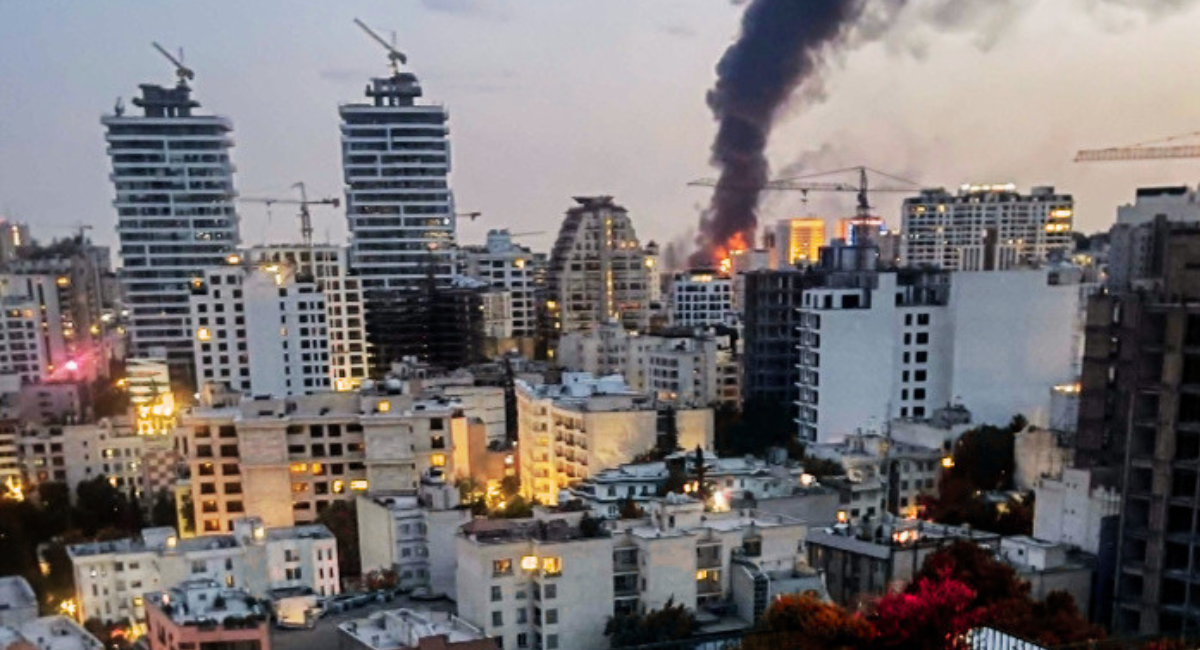
U.S. Strikes on Iran have once again pushed the Middle East into a period of uncertainty. The latest military action came after Iran allegedly shot down a United States Apache helicopter near the Strait of Hormuz. The incident has increased concerns about regional stability, global energy supplies, and future diplomatic relations between Washington and Tehran.
Table of Contents
Background Crisis
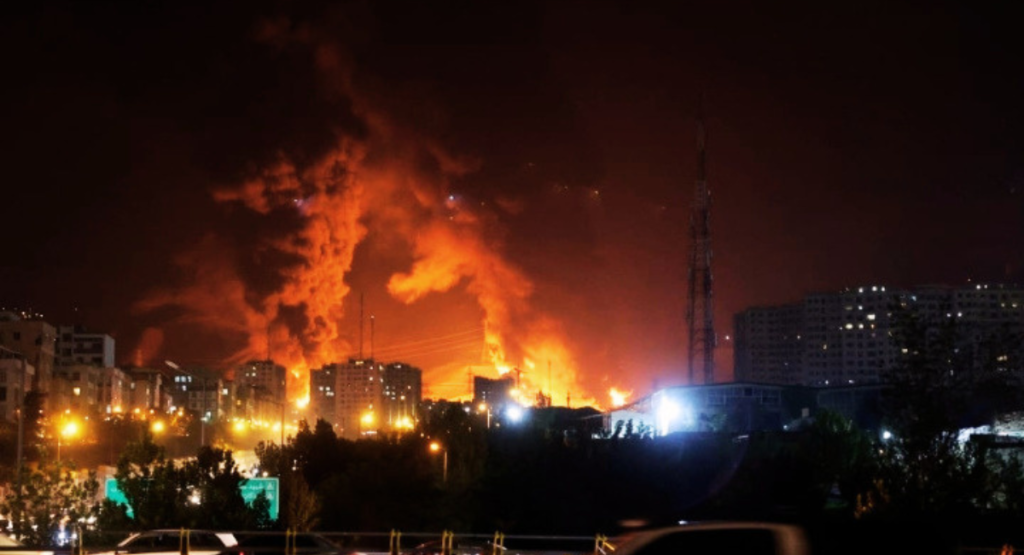
The recent conflict developed after reports that an American Apache helicopter was brought down near one of the world’s most important shipping routes. The Strait of Hormuz remains a strategic waterway through which a large share of global oil exports travels. Following the helicopter incident, American officials stated that a military response was necessary. The situation quickly attracted international attention because any confrontation in this region can affect economic and political conditions far beyond the Middle East. Governments around the world began monitoring developments closely as tensions continued to rise between both countries.
Trump Orders Action
President Donald Trump authorized the military operation in response to the helicopter incident. According to military officials, the mission was designed as a defensive measure. The administration argued that protecting American personnel and military assets remained a top priority. Supporters of the decision claimed a strong response was needed to discourage further attacks. Critics, however, warned that military retaliation could increase instability and create new risks. The decision highlighted the continuing challenge of balancing national security concerns with efforts to prevent a wider regional conflict from emerging.
Military Targets Hit
During the operation, American fighter aircraft reportedly used precision-guided weapons against selected Iranian facilities. Military statements indicated that radar systems and ground control stations were among the targets. Officials described the attack as carefully planned to reduce unintended damage while achieving strategic objectives. Precision strikes are often chosen because they allow forces to focus on specific military assets. Analysts noted that disabling radar capabilities can limit an opponent’s ability to track aircraft and coordinate defensive operations. The effectiveness of these strikes will likely be assessed in the coming weeks.
Hormuz Waterway Risk
The Strait of Hormuz remains central to discussions surrounding U.S. Strikes on Iran. This narrow waterway serves as a critical route for international energy shipments. Any disruption in the area can influence oil prices and global trade. Shipping companies often increase security measures when tensions rise. Energy markets closely watch military developments because uncertainty can affect supply expectations. Several experts have warned that prolonged confrontation could create challenges for commercial vessels operating in the region. As a result, many countries support diplomatic efforts aimed at maintaining safe navigation through this strategically important corridor.
Regional Reactions
Middle Eastern governments reacted cautiously to the latest developments. Some countries expressed concern about escalating military activity and called for restraint from all sides. Others emphasized the importance of protecting international shipping routes and maintaining regional security. Diplomatic channels became increasingly active as leaders sought to prevent further deterioration of the situation. Regional organizations also encouraged dialogue to reduce tensions. The response demonstrated how closely neighboring states monitor relations between the United States and Iran because any significant confrontation could have direct consequences for political stability and economic growth across the region.
Global Market Impact
Financial markets responded quickly to news of the confrontation. Investors evaluated potential risks to energy supplies and international trade routes. Oil prices experienced fluctuations as traders considered possible disruptions around the Strait of Hormuz. Commodity markets often react strongly to geopolitical events involving major energy-producing regions. Economic analysts noted that uncertainty can influence investment decisions and market confidence. Although prices may change rapidly, many observers believe long-term trends will depend on whether diplomatic efforts succeed. Continued stability in shipping operations remains a key factor for maintaining confidence in global energy markets.
Iran’s Response
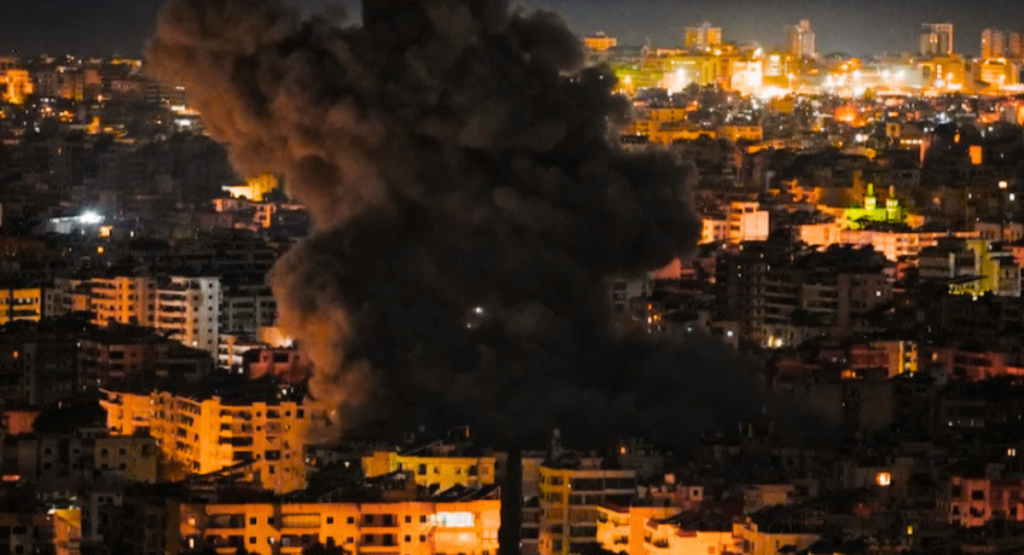
Iranian officials strongly criticized the military operation and defended their position regarding regional security matters. Government representatives accused Washington of increasing tensions through the use of force. Public demonstrations in support of national policies were reported in several areas. Iranian leaders emphasized their determination to protect national interests while also warning against additional military pressure. Observers believe Tehran will carefully evaluate its next steps because future decisions could significantly influence regional stability. International analysts continue to monitor official statements for indications about possible diplomatic or military responses in the coming days.
Diplomatic Challenges
The latest U.S. Strikes on Iran have complicated ongoing efforts to maintain dialogue between both countries. Diplomatic relations have faced repeated setbacks over the years due to disagreements on security, sanctions, and regional influence. Experts argue that rebuilding trust becomes increasingly difficult after military confrontations. Nevertheless, diplomacy remains one of the few paths available for reducing tensions and preventing further escalation. International partners may attempt to encourage negotiations and confidence-building measures. Successful communication could help avoid misunderstandings and create opportunities for addressing broader security concerns affecting the region.
Security Concerns Ahead
Security specialists believe the coming weeks will be critical. Any additional military exchanges could increase uncertainty across the Middle East. Governments, businesses, and international organizations are closely following developments because regional stability influences many aspects of global commerce and security. Defense experts stress the importance of avoiding actions that could trigger unintended escalation. Military preparedness remains high among several countries operating in the region. At the same time, diplomatic efforts continue as leaders seek practical solutions capable of reducing risks and restoring a more stable environment.
Future Outlook
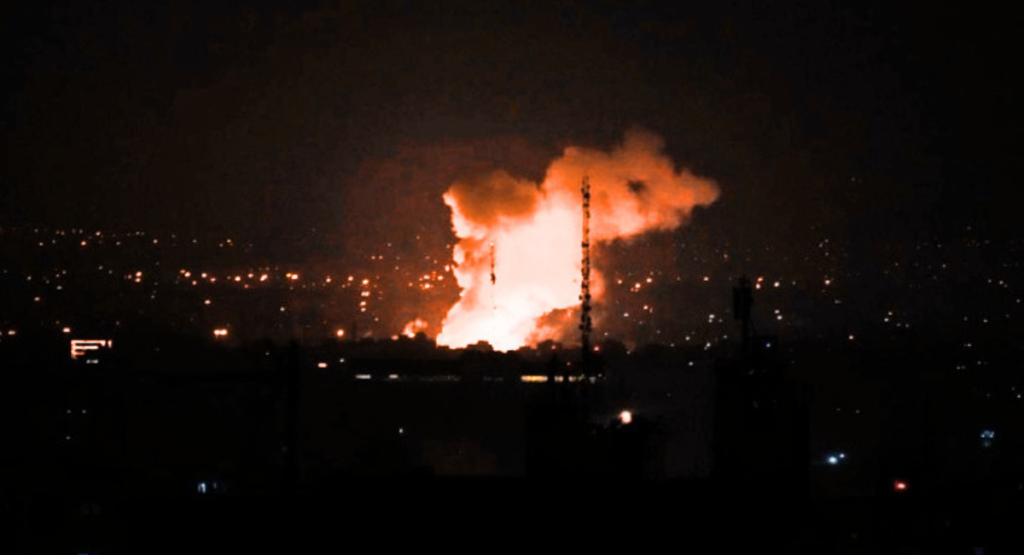
The future of U.S. Strikes on Iran and the broader relationship between Washington and Tehran remains uncertain. Much will depend on political decisions, diplomatic engagement, and security developments in the region. Analysts believe both sides face pressure to protect their interests while avoiding a larger confrontation. The coming months could shape the direction of Middle Eastern stability and international energy markets. Continued monitoring and constructive dialogue will be essential as global leaders work to manage one of the world’s most sensitive geopolitical challenges.
Conclusion
U.S. Strikes on Iran have intensified concerns about regional security, global trade, and diplomatic relations. While military leaders describe the operation as defensive, the broader consequences remain unclear. The international community continues to watch closely, hoping that dialogue and careful decision-making can prevent further escalation and support long-term stability.
FAQS
What triggered the U.S. strikes on Iran?
The strikes were launched after Iran allegedly shot down a U.S. Apache helicopter near the Strait of Hormuz.
Which targets were attacked during the operation?
According to military reports, radar installations and ground control stations were among the main targets.
Why is the Strait of Hormuz important?
The Strait of Hormuz is one of the world’s most important oil shipping routes and plays a major role in global energy supply.
How did global markets react to the strikes?
Oil prices and financial markets experienced fluctuations due to concerns about regional instability and supply disruptions.
What has been Iran’s response?
Iran criticized the military action and stated that it would continue to protect its national interests.
Could the conflict affect global energy supplies?
Yes. Any disruption around the Strait of Hormuz could impact international oil shipments and energy markets.
Is there a possibility of diplomatic negotiations?
Many international observers believe diplomacy remains essential to reducing tensions and preventing further escalation.
What are the wider implications of the crisis?
The situation could influence regional security, international trade, energy prices, and future U.S.-Iran relations.

I am the founder and writer at Duniya Time.com, a news website focused on national and international news, social issues, and history. With a background in Islamic History, I write research-based articles in a clear and honest style. My goal is to share accurate information, thoughtful analysis, and meaningful stories that help readers stay informed and understand the world better.