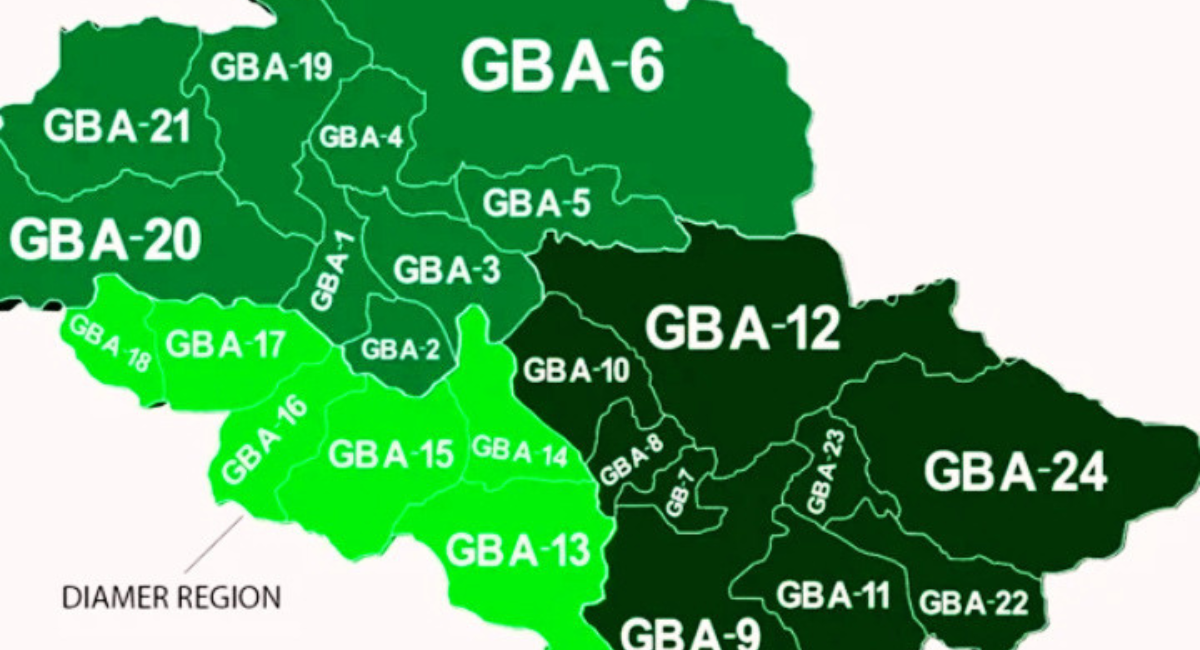
Gilgit Baltistan Elections 2026 have become one of the most important political events in Pakistan this year. Citizens across the mountainous region are casting their votes to elect representatives for the Gilgit-Baltistan Legislative Assembly. The election comes after a four month delay caused by severe winter conditions. Political parties have completed extensive campaigns, while voters now have the opportunity to shape the future leadership and development of their region through the democratic process.
Table of Contents
Election Day Begins
Polling started on Sunday morning across all designated constituencies. Voting stations opened at 8am and will remain operational until 5pm. Election officials have completed arrangements to ensure a smooth and transparent process.
The atmosphere across the region reflects public interest in choosing representatives who can address local challenges and improve living standards.
Total Constituencies in Contest
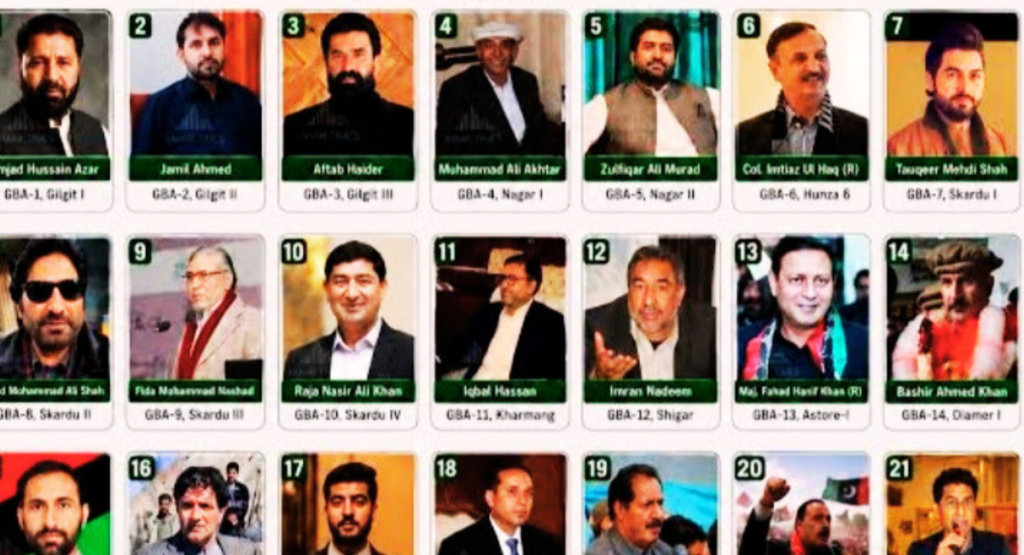
A total of 24 constituencies are being contested in this election. Candidates from major national and regional parties are competing alongside a large number of independent contenders.
The election is expected to influence the political direction of the region for the coming years. Each constituency holds strategic importance because elected members will contribute to legislation and policymaking.
Registered Voter Statistics
According to election authorities, nearly 958,480 registered voters are eligible to participate. Among them are 503,772 male voters and 454,708 female voters.
The voter list reflects growing public engagement in democratic activities. Election officials have encouraged all eligible citizens to exercise their constitutional right and participate responsibly.
Candidates and Parties
The Gilgit Baltistan Elections 2026 feature 396 candidates. Independent candidates form the largest group, with 266 individuals contesting without party affiliation.
Several political parties are actively participating. The Pakistan Peoples Party has fielded 23 candidates, while the Pakistan Muslim League-Nawaz has nominated 22 candidates. Other parties including PTI, IPP, JUI-F, Jamaat-i-Islami, MQM and MWM are also part of the electoral contest.
This broad participation demonstrates the diversity of political opinions present in the region.
Women in the Race
Female participation remains limited in this election. Only eight women are contesting for assembly seats. Five of them are running as independent candidates, while others represent political parties.
Despite the low number, their participation highlights the continuing effort to increase women’s involvement in public affairs and democratic institutions.
Greater representation can contribute to broader perspectives in policymaking and governance.
Security and Monitoring
Authorities have implemented extensive measures to maintain law and order during voting. The Chief Election Commissioner has delegated special powers to returning officers and district officials.
These measures aim to prevent disturbances and ensure compliance with election regulations. Security agencies are working closely with election staff to maintain a peaceful environment throughout the polling process.
Transparent monitoring remains a key priority during Gilgit Baltistan Elections 2026.
Importance of Public Participation
Election participation plays a vital role in strengthening democratic institutions. Citizens have been encouraged to vote freely and make decisions based on their own judgment.
Government officials have emphasized that every vote contributes to regional progress and effective governance. Public participation helps ensure accountability and strengthens trust in democratic systems.
A strong voter turnout can also reflect confidence in the electoral process.
Challenges Facing the Region
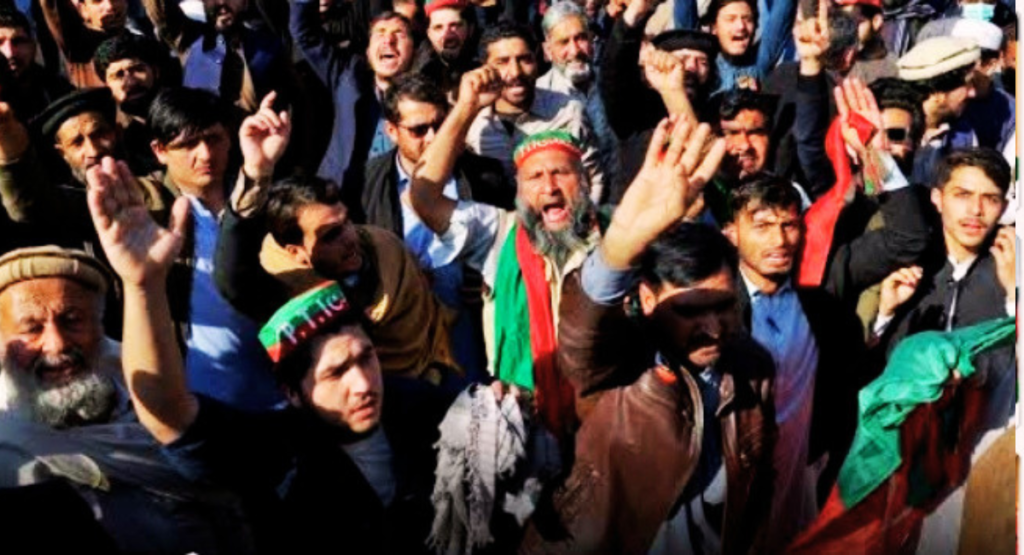
Gilgit-Baltistan faces several important issues including infrastructure development, tourism management, climate related concerns, education and healthcare improvement.
Voters are expected to consider these proposals carefully when selecting their Candidates have presented different plans to address these challenges during their campaigns representatives.
The outcome of Gilgit Baltistan Elections 2026 may influence how these issues are addressed in the future.
Political Significance
The election carries significance beyond regional boundaries. Political analysts are closely observing voting trends and party performance because the results may provide insight into broader political dynamics within Pakistan.
Success in Gilgit-Baltistan often serves as an indicator of public sentiment and can affect future political strategies adopted by major parties.
The contest therefore attracts attention from policymakers, media organizations and political observers nationwide.
Expectations After Voting
Once polling concludes, vote counting will begin under the supervision of election authorities. Results will determine the composition of the new legislative assembly.
The elected representatives will be responsible for addressing local concerns, introducing development initiatives and representing the interests of their constituents.
Citizens hope the new assembly will focus on economic growth, improved public services and long term stability.
Conclusion
The Gilgit Baltistan Elections 2026 represent an important moment for democracy in the region. Thousands of voters are participating in a process that will determine future leadership and policy priorities. With multiple parties, independent candidates and active public engagement, the election highlights the importance of democratic participation. The final results will not only shape regional governance but may also influence the wider political landscape of Pakistan in the months ahead.
FAQ
What are Gilgit Baltistan Elections 2026?
Gilgit Baltistan Elections 2026 are regional assembly elections held to elect representatives for the Gilgit-Baltistan Legislative Assembly.
How many constituencies are being contested?
A total of 24 constituencies are being contested in the election.
How many voters are registered?
There are 958,480 registered voters, including both male and female voters.
Which political parties are participating?
Major parties include PPP, PML-N, PTI, IPP, JUI-F, Jamaat-i-Islami, MQM and several regional groups.
Why were the elections delayed?
The elections were postponed for four months due to harsh winter weather conditions in the region.
What is the importance of these elections?
The elections will determine the future leadership of Gilgit-Baltistan and influence regional development and governance policies.

I am the founder and writer at Duniya Time.com, a news website focused on national and international news, social issues, and history. With a background in Islamic History, I write research-based articles in a clear and honest style. My goal is to share accurate information, thoughtful analysis, and meaningful stories that help readers stay informed and understand the world better.