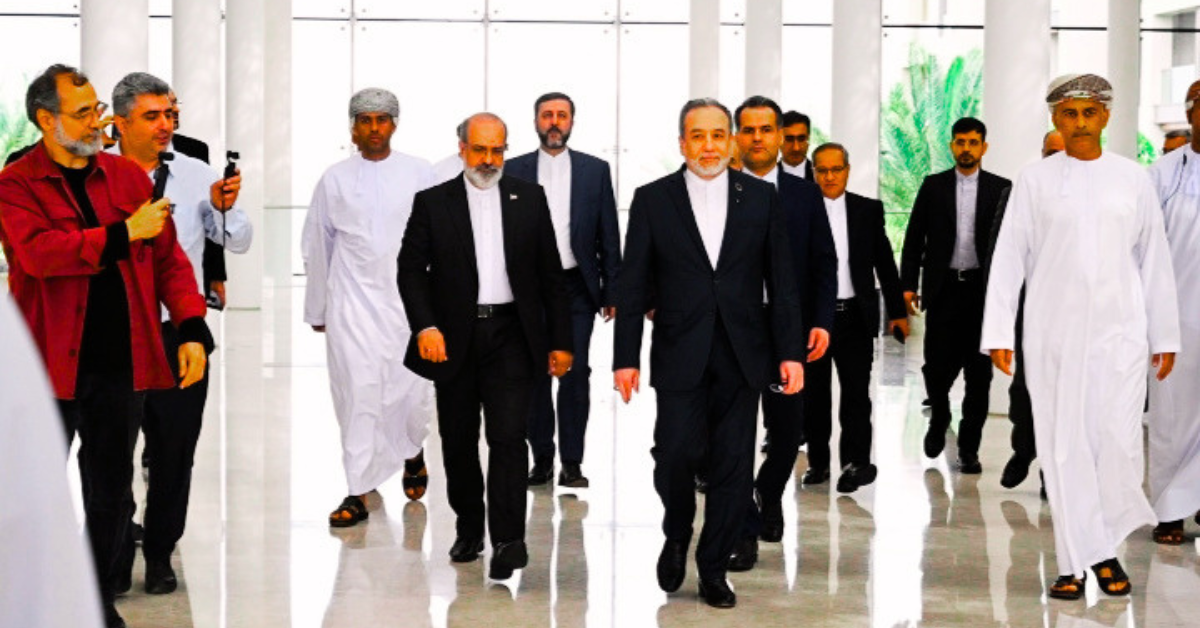
US-Iran Talks have entered a crucial phase as senior officials from both countries prepare to meet in Switzerland. The negotiations come after days of diplomatic uncertainty and renewed regional tensions.
The upcoming discussions are expected to focus on a permanent agreement, regional security, and the future of the temporary ceasefire. Several countries, including Pakistan and Qatar, are supporting diplomatic efforts.
As global attention turns to Switzerland, the outcome of these negotiations could influence stability in the Middle East, international energy markets, and future relations between Washington and Tehran.
Table of Contents
Why the US-Iran Talks Matter for the Middle East
The latest US-Iran Talks represent an important opportunity to reduce tensions that have affected the region for months. Diplomatic engagement remains the preferred path for both sides despite continuing disagreements.
The negotiations are expected to address military de-escalation, regional security, and confidence-building measures. If successful, they could open the door to broader cooperation and reduce the risk of further conflict.
Switzerland Becomes the Center of Global Diplomacy

Switzerland has once again been selected as the venue for sensitive international negotiations because of its long-standing neutrality. The peaceful environment allows both delegations to meet without unnecessary political pressure.
Officials from Iran and the United States are expected to begin technical discussions before moving toward high-level political negotiations aimed at producing a comprehensive agreement.
Pakistan Plays an Important Mediation Role
Pakistan has emerged as an active diplomatic partner by encouraging dialogue between both countries. Senior Pakistani leaders have supported negotiations while maintaining communication with regional stakeholders.
The country’s involvement highlights its growing role in promoting peace and stability across the Middle East through diplomatic engagement rather than military action.
The Main Goals of the Negotiations
The US-Iran Talks are expected to focus on several key issues. These include strengthening the ceasefire, addressing concerns over Iran’s nuclear program, and reducing military tensions across the region.
Negotiators are also expected to discuss humanitarian issues, regional security cooperation, and mechanisms to prevent future misunderstandings between both governments.
Strait of Hormuz Remains a Global Concern
The Strait of Hormuz remains one of the world’s most important shipping routes for oil exports. Any disruption in this waterway immediately attracts global attention because of its economic importance.
Energy markets continue monitoring developments closely. Shipping companies and international businesses are waiting for clear signs that regional tensions will continue to decrease.
Lebanon Situation Continues to Influence Progress
Ongoing violence in Lebanon remains one of the biggest challenges facing negotiators. Continued military operations create political pressure and make diplomatic progress more difficult.
Both sides understand that lasting peace requires reducing violence across the wider region instead of focusing on only one issue.
Challenges Facing the Peace Process
Although negotiations have resumed, several obstacles remain. Trust between both countries has been damaged by years of political disagreements and failed diplomatic efforts.
Building confidence will require practical steps, clear commitments, and continued communication throughout the negotiation period.
Global Powers Closely Watch Every Development
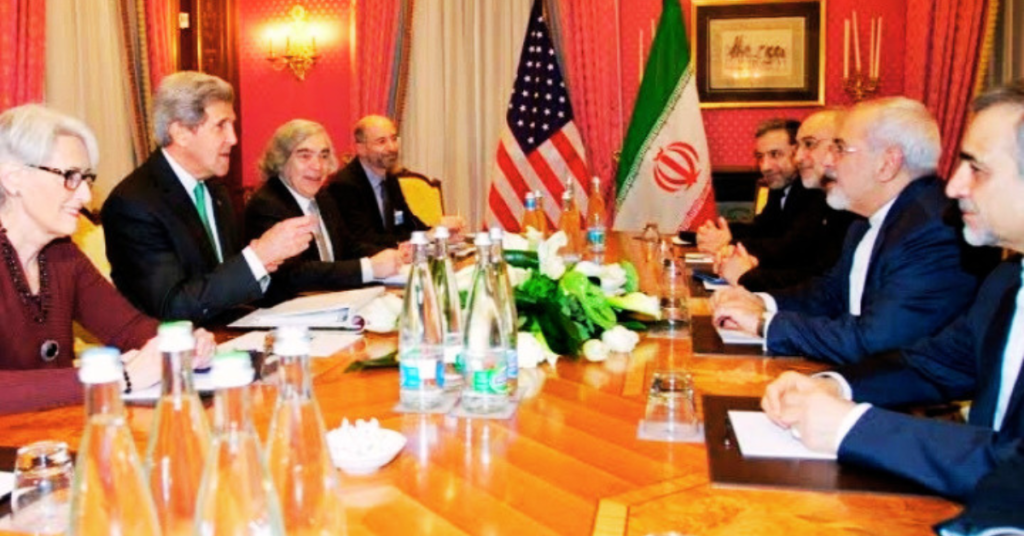
The US-Iran Talks are being followed by governments across Europe, Asia, and the Middle East. International organizations also hope diplomacy will reduce regional instability.
Financial markets, investors, and energy companies are carefully monitoring every announcement because the talks could influence global oil prices and economic confidence.
What Could Happen After the Negotiations
If negotiators reach meaningful progress, additional meetings may follow over the coming weeks. Technical experts could continue discussions while political leaders review proposed agreements.
However, if disagreements continue, negotiations may require more time before a final settlement becomes possible.
What the Outcome Could Mean for the Future
The success of the US-Iran Talks could reshape diplomatic relations and improve regional stability. A lasting agreement would benefit trade, energy security, and international cooperation.
While challenges remain, continued dialogue offers a better path than military confrontation. The coming days may determine whether diplomacy can deliver long-term peace.
Conclusion
The latest US-Iran Talks have created cautious optimism across the international community. Leaders are hoping diplomacy will reduce conflict and strengthen regional security.
Although difficult issues remain unresolved, negotiations provide an opportunity to replace confrontation with meaningful dialogue. Every meeting brings both sides closer to understanding each other’s concerns.
The coming weeks will be critical. A successful agreement could improve stability, protect global energy supplies, and create a stronger foundation for long-term peace in the Middle East.
FAQS
What are the US-Iran Talks about?
The talks focus on reducing regional tensions, strengthening diplomatic relations, discussing security concerns, and exploring a long-term peace agreement.
Why are the talks being held in Switzerland?
Switzerland is widely recognized as a neutral country and has often hosted sensitive international negotiations.
What issues are expected to be discussed?
Officials are expected to discuss regional security, ceasefire implementation, diplomatic cooperation, humanitarian concerns, and future confidence-building measures.
Why are the US-Iran Talks important?
The negotiations could help reduce conflict in the Middle East, improve regional stability, and influence global energy markets and international diplomacy.
Could these talks lead to a permanent peace agreement?
Although significant challenges remain, successful negotiations may create the foundation for future agreements and long-term regional stability.

I am the founder and writer at Duniya Time.com, a news website focused on national and international news, social issues, and history. With a background in Islamic History, I write research-based articles in a clear and honest style. My goal is to share accurate information, thoughtful analysis, and meaningful stories that help readers stay informed and understand the world better.