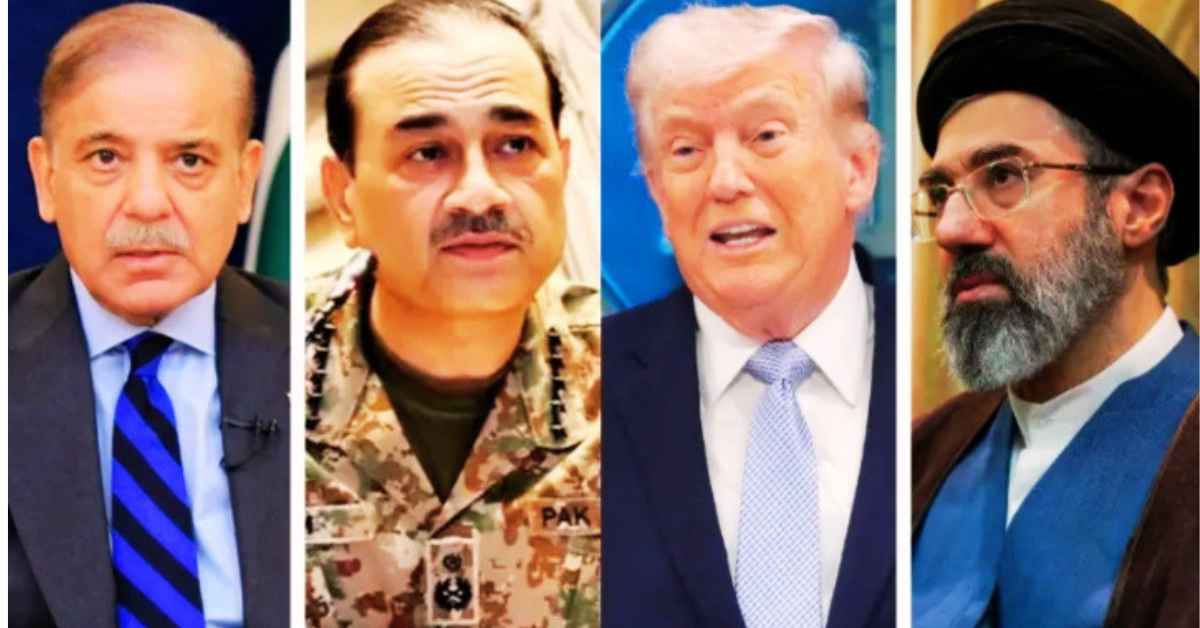
Iran Pauses Talks After Trump Threats has become one of the biggest international developments after rising tensions between Iran, the United States, Israel, and Hezbollah. The unexpected pause has raised concerns about diplomacy and regional stability.
The latest developments have shifted attention away from Iran’s nuclear negotiations and toward the growing conflict in Lebanon. Global leaders are closely watching whether diplomacy can prevent a wider regional crisis.
Uncertainty remains high as both political and military tensions continue to influence the future of Middle East peace efforts.
Table of Contents
Why Did Iran Pause Talks After Trump’s Warning?
Iran Pauses Talks After Trump Threats following strong warnings from U.S. President Donald Trump, who said the United States could take military action against Iran if it continued supporting Hezbollah. Tehran viewed these statements as increasing pressure during sensitive diplomatic negotiations.
Iranian officials decided to suspend discussions, arguing that negotiations cannot move forward while military threats remain on the table. The move reflects growing distrust between both sides despite recent diplomatic efforts in Switzerland.
Trump Links Hezbollah Conflict to Regional Security
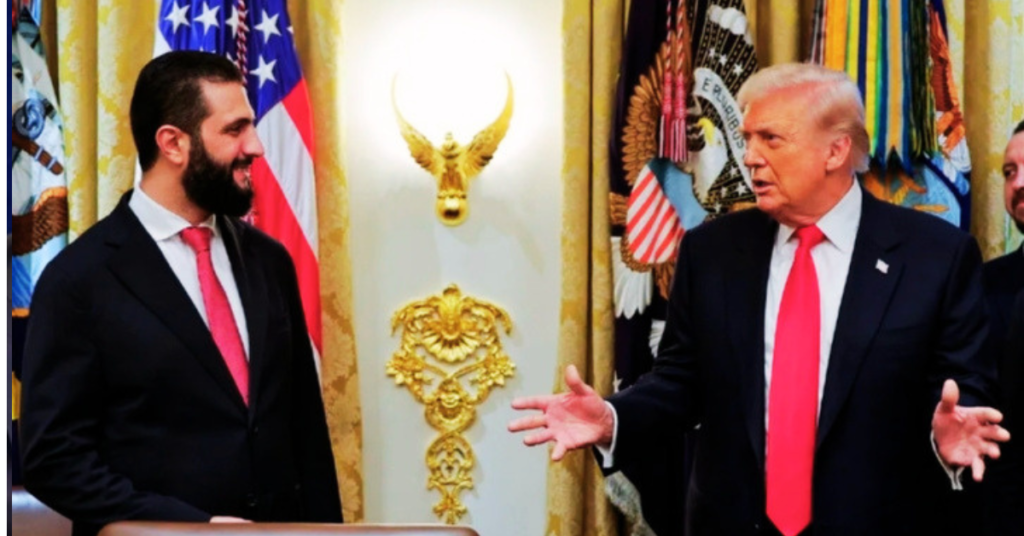
President Trump connected Iran’s support for Hezbollah with the ongoing fighting between Hezbollah and Israel. He warned that continued escalation could threaten regional security and international shipping routes through the Strait of Hormuz.
The comments immediately increased diplomatic pressure and shifted the focus of international discussions. Instead of concentrating on nuclear issues, world leaders began discussing the possibility of a broader Middle East conflict.
Switzerland Talks Shift Away From Nuclear Program
The Switzerland meeting was originally expected to focus on Iran’s nuclear program and future agreements. However, worsening violence in Lebanon forced both delegations to discuss immediate security concerns instead.
Iran Pauses Talks After Trump Threats as diplomatic priorities changed rapidly. Officials now face the difficult challenge of balancing nuclear negotiations with urgent regional security issues.
How the Lebanon Conflict Changed Diplomatic Priorities
Fighting between Israel and Hezbollah has become the main issue affecting negotiations. The violence has increased fears that regional conflicts could spread beyond Lebanon and involve additional countries.
Diplomatic teams now believe reducing military tensions must come before meaningful progress on nuclear discussions. This shift has delayed several planned negotiations between Washington and Tehran.
What JD Vance’s Switzerland Visit Means
Vice President JD Vance traveled to Switzerland expecting discussions about Iran’s nuclear activities. Instead, the meetings focused heavily on the latest military developments involving Hezbollah and Israel.
The visit demonstrated how quickly international diplomacy can change when security conditions worsen. Officials from multiple countries continue working behind the scenes to prevent further escalation.
Global Concerns Over the Strait of Hormuz
The Strait of Hormuz remains one of the world’s most important energy routes. Any conflict involving Iran could disrupt global oil shipments and create economic uncertainty across international markets.
Iran Pauses Talks After Trump Threats, increasing concerns among investors and governments that regional instability could affect global energy supplies and international trade.
Can Diplomacy Prevent a Wider Middle East Crisis?
Diplomatic channels remain open despite the suspension of talks. International mediators continue encouraging both Washington and Tehran to avoid further escalation and return to constructive negotiations.
Many analysts believe diplomacy remains the best option for reducing tensions. However, progress will depend on lowering military pressure and rebuilding trust between both governments.
International Reactions to the Suspended Negotiations
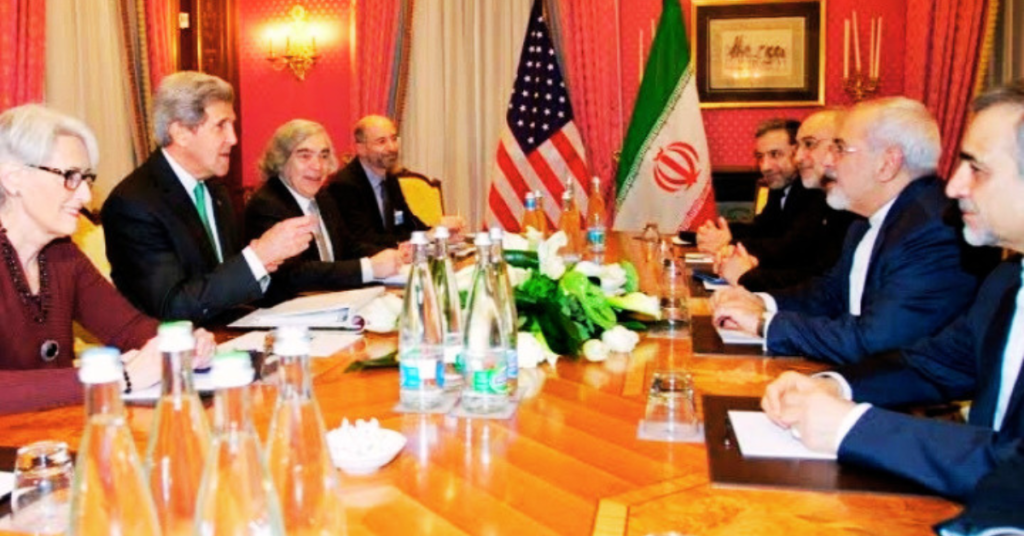
Several countries have urged restraint and called on both sides to continue peaceful dialogue. European governments remain supportive of diplomatic solutions and hope negotiations can resume soon.
Regional partners also fear that prolonged tensions could increase instability across the Middle East. International organizations continue monitoring developments closely.
What Could Happen Next in US Iran Relations?
Future negotiations will likely depend on security conditions in Lebanon and the broader Middle East. If tensions decrease, both sides may return to discussions about Iran’s nuclear program.
Iran Pauses Talks After Trump Threats, but experts believe diplomacy has not completely ended. Future meetings could still provide opportunities for rebuilding confidence and reducing regional risks.
Conclusion
The decision by Iran Pauses Talks After Trump Threats highlights the fragile state of Middle East diplomacy. Military tensions have once again interrupted important political negotiations.
The coming weeks will determine whether diplomatic efforts can recover or whether regional conflicts continue to dominate international relations.
Peace remains possible, but meaningful progress will require restraint, dialogue, and renewed commitment from all parties involved.
FAQS
What is the reason Iran paused talks after Trump’s threats?
Iran suspended negotiations after President Trump warned of possible military action, increasing diplomatic tensions.
Where were the US-Iran talks taking place?
The discussions were being held in Switzerland with officials from both countries.
How did the Lebanon conflict affect the negotiations?
The conflict shifted the focus from Iran’s nuclear program to regional security and Hezbollah.
Can the US-Iran talks resume soon?
Diplomatic channels remain open, but future meetings depend on regional security and political developments.

I am the founder and writer at Duniya Time.com, a news website focused on national and international news, social issues, and history. With a background in Islamic History, I write research-based articles in a clear and honest style. My goal is to share accurate information, thoughtful analysis, and meaningful stories that help readers stay informed and understand the world better.