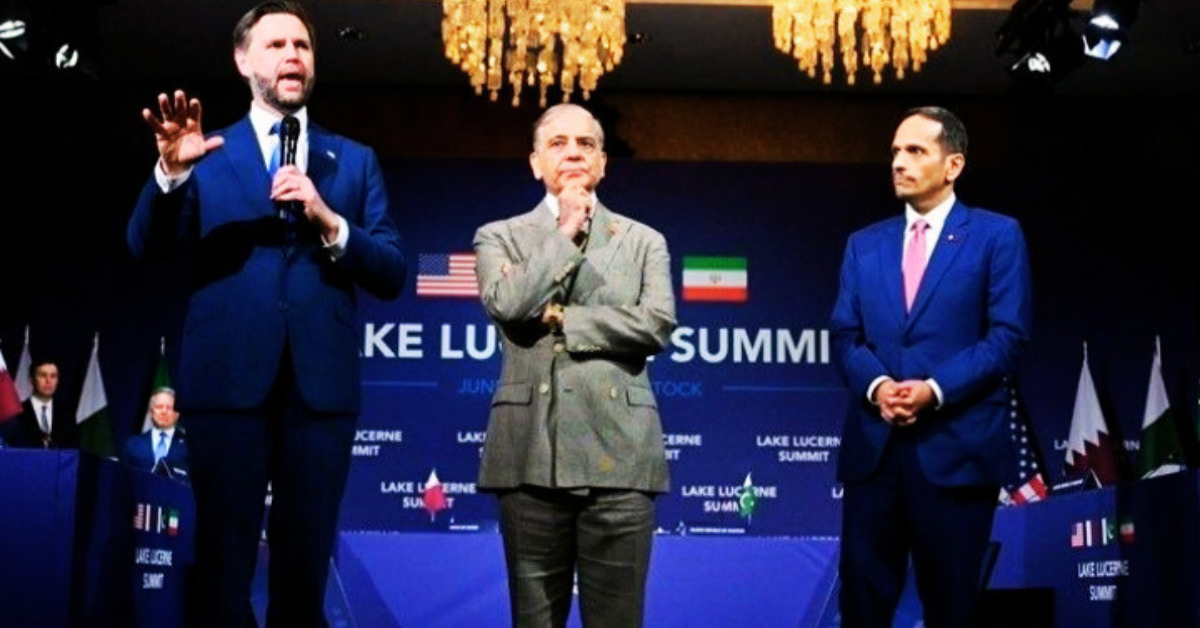
Iran US Talks entered a new phase after senior officials from Washington and Tehran completed the first day of negotiations in Switzerland. Despite a tense beginning caused by strong political statements, both sides agreed to continue discussions aimed at reducing regional tensions.
The meetings focused on diplomacy, security, sanctions, and the future of Iran’s nuclear program. Mediators from Pakistan and Qatar played an important role in keeping both delegations engaged.
While major disagreements remain, both governments described the talks as and opportunity to move toward a broader agreement over the coming weeks.
Table of Contents
Iran US Talks Begin With Diplomatic Challenges
The opening session of the Iran US Talks was marked by uncertainty after sharp remarks from US President Donald Trump created tension before formal negotiations began. Iranian officials temporarily paused discussions, raising concerns that diplomacy could collapse before meaningful progress was achieved.
However, mediators from Pakistan and Qatar quickly stepped in to maintain communication between both delegations. Their efforts helped restart negotiations and prevented the diplomatic process from breaking down during its first day.
Pakistan and Qatar Play a Key Mediation Role
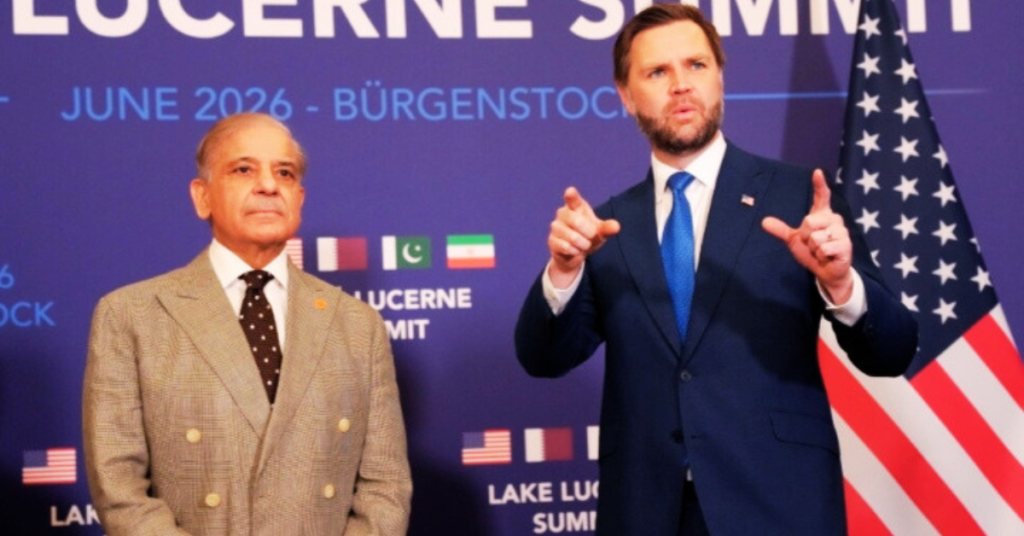
Pakistan and Qatar emerged as central diplomatic partners by creating a neutral environment where both sides could continue negotiations despite political disagreements. Their involvement helped reduce tensions at a critical stage of the discussions.
The mediators announced that technical teams would remain in Switzerland throughout the week. Their objective is to prepare practical solutions that political leaders can approve during future meetings.
Roadmap Creates Hope for a Final Agreement
One of the most important outcomes was the announcement of a proposed sixty day roadmap toward a broader agreement. Although many details still require negotiation, both sides accepted a framework for continuing discussions instead of ending the process.
Diplomatic experts believe that setting a clear timeline increases pressure on negotiators to produce measurable progress. It also provides financial markets and regional governments with greater confidence that dialogue will continue.
Strait of Hormuz Remains a Major Security Concern
Security in the Strait of Hormuz became one of the most sensitive issues discussed during the negotiations. The waterway is one of the world’s busiest energy routes, making any disruption a global economic concern.
Officials agreed to establish a direct communication channel designed to prevent misunderstandings or military incidents. Such mechanisms could reduce the risk of accidental escalation during future regional crises.
Sanctions Relief Could Support Iran’s Economy
Economic issues received significant attention during the talks. Reports indicated that temporary sanctions relief on selected oil and petrochemical exports may be considered as confidence-building measures during negotiations.
If implemented, these measures could improve Iran’s ability to sell energy products internationally and stabilize its financial markets. Economic improvement would also help reduce inflation and strengthen domestic confidence.
Lebanon Crisis Tests Regional Peace Efforts
The conflict involving Lebanon and Iran backed Hezbollah remained one of the biggest obstacles facing negotiators. Continued military activity threatens the broader understanding reached between Washington and Tehran.
Officials discussed creating a deconfliction mechanism with Lebanon’s government to monitor military activity and encourage all parties to respect ceasefire commitments. Success in Lebanon may determine the future of wider regional diplomacy.
Nuclear Program Still Requires Difficult Decisions
Although economic discussions made progress, Iran’s nuclear program remains the most challenging issue. Questions surrounding uranium enrichment, inspection procedures, and future nuclear activities continue to divide both sides.
Negotiators are expected to spend several weeks examining technical proposals before political leaders make final decisions. Experts believe any lasting agreement must balance international security concerns with Iran’s national interests.
Technical Negotiations Continue Behind the Scenes
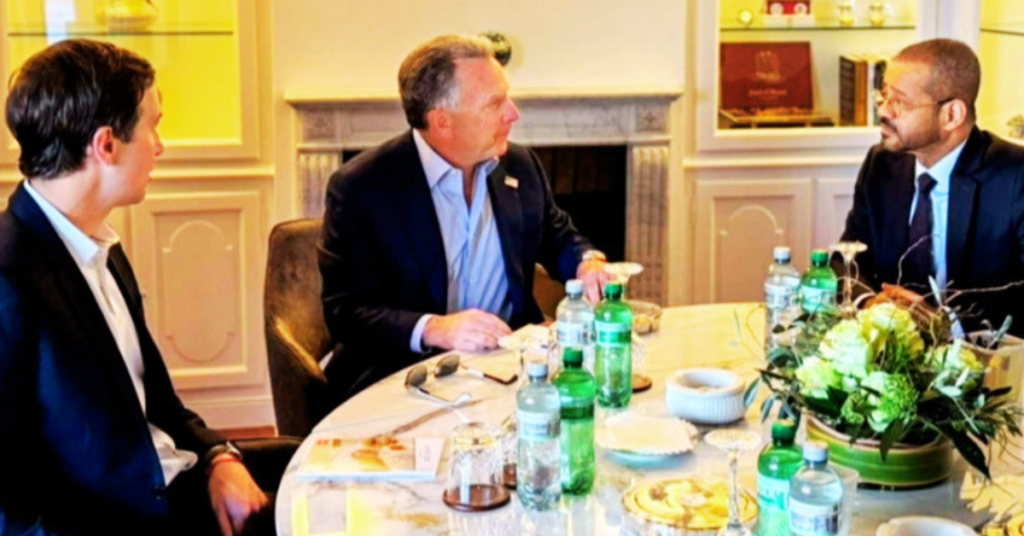
While senior officials completed their first round of meetings, technical experts remained in Switzerland to continue detailed discussions. Their responsibility includes drafting legal frameworks, economic measures, and security arrangements.
Much of the real progress during international diplomacy often happens during these expert level negotiations, where complex issues can be examined without political pressure or media attention.
What the Next Sixty Days Could Mean
The coming two months will determine whether diplomacy can replace confrontation. If negotiators successfully implement their roadmap, both countries could move closer to reducing tensions that have affected the Middle East for years.
At the same time, any new military escalation or political disagreement could quickly reverse recent progress. Continued dialogue will require patience, compromise, and sustained international support from mediating countries.
Conclusion
The Iran US Talks have produced cautious optimism despite beginning under difficult circumstances. Both sides chose negotiation instead of abandoning diplomacy.
Progress on sanctions, regional security, and technical discussions shows that dialogue remains possible even after serious disagreements.
The coming weeks will reveal whether these early achievements develop into a lasting agreement capable of improving stability across the Middle East.
FAQS
What are the Iran US Talks about?
The Iran US Talks focus on reducing regional tensions, discussing Iran’s nuclear program, easing sanctions, improving security in the Middle East, and preventing further military escalation.
Where are the Iran US Talks taking place?
The latest Iran US Talks are being held in Switzerland, where senior officials from both countries are meeting with mediation support from Pakistan and Qatar.
Why are Pakistan and Qatar involved in the Iran US Talks?
Pakistan and Qatar are acting as neutral mediators, helping both sides continue dialogue, resolve disputes, and maintain diplomatic communication during negotiations.
Did the Iran US Talks produce any progress?
Yes. Both sides agreed to continue technical negotiations and accepted a proposed 60 day roadmap toward a broader diplomatic agreement.
Why is the Strait of Hormuz important in the Iran US Talks?
The Strait of Hormuz is one of the world’s most important oil shipping routes. Keeping it open is essential for global energy supplies and regional security.
Can the Iran US Talks lead to sanctions relief?
Negotiators discussed temporary sanctions relief as part of confidence building measures, although a final decision depends on future negotiations.
What is the biggest challenge facing the Iran US Talks?
The most difficult issue remains Iran’s nuclear program, including uranium enrichment, inspections, and reaching a long term agreement acceptable to both sides.

I am the founder and writer at Duniya Time.com, a news website focused on national and international news, social issues, and history. With a background in Islamic History, I write research-based articles in a clear and honest style. My goal is to share accurate information, thoughtful analysis, and meaningful stories that help readers stay informed and understand the world better.